UK Invests $1.47B in AI Supercomputer, Homegrown Chips
Britain targets domestic semiconductor startups to reduce dependence on US and Chinese AI hardware amid geopolitical tensions.
The United Kingdom is launching a $1.47 billion initiative to build domestic AI computing capacity and reduce reliance on foreign semiconductor suppliers, marking a significant shift in the country's technology strategy.
The centerpiece of the plan, announced Monday, is a national AI supercomputer that will receive more than $1 billion in funding. The facility will include $530 million worth of hardware, with $200 million specifically allocated for specialized inference chips designed to process AI workloads. British researchers and startups are expected to gain access to the system by 2030.
Why it matters
As geopolitical tensions strain transatlantic relationships, European nations are reassessing their dependence on American technology infrastructure. The UK's investment represents a concrete strategy to build technological resilience at a moment when access to AI hardware could become a point of leverage in international negotiations. By creating a procurement pipeline for domestic chip startups, the government aims to prevent the kind of brain drain that has historically seen British innovations commercialized elsewhere.
Prioritizing domestic semiconductor firms
The procurement process will favor emerging British companies, with the government specifically highlighting Olix and Fractile—two UK startups developing novel inference chip architectures—as potential beneficiaries. This approach positions the government as an anchor customer for domestic semiconductor innovation.
"Historically, the UK government has just been impenetrable … the willingness to back UK businesses with innovative technologies with hard contracts is a really important milestone," said Ed Bussey, CEO at Oxford Science Enterprises, which invested in Fractile's 2024 seed round.
Strategic timing in a shifting landscape
The initiative arrives as European leaders confront deteriorating relationships with the Trump administration over issues including tariffs, immigration, and NATO commitments. UK Technology Secretary Liz Kendall framed the investment in explicitly geopolitical terms during an April speech at the Royal United Services Institute.
"The geopolitical settlement of the last 40 years has ruptured—and many would argue is gone for good," Kendall said. "For Britain, AI sovereignty is about reducing overdependencies and increasing resilience."
The European Union outlined similar "tech sovereignty" proposals last week, according to WIRED, which first reported the details of the UK plan.
Building on existing momentum
The supercomputer investment extends a series of recent UK initiatives. Last November, the government established "AI growth zones" with reduced regulatory barriers for data center construction. In April, it launched SovAI, a $675 million venture fund targeting homegrown AI startups across model development, agentic AI, and drug discovery.
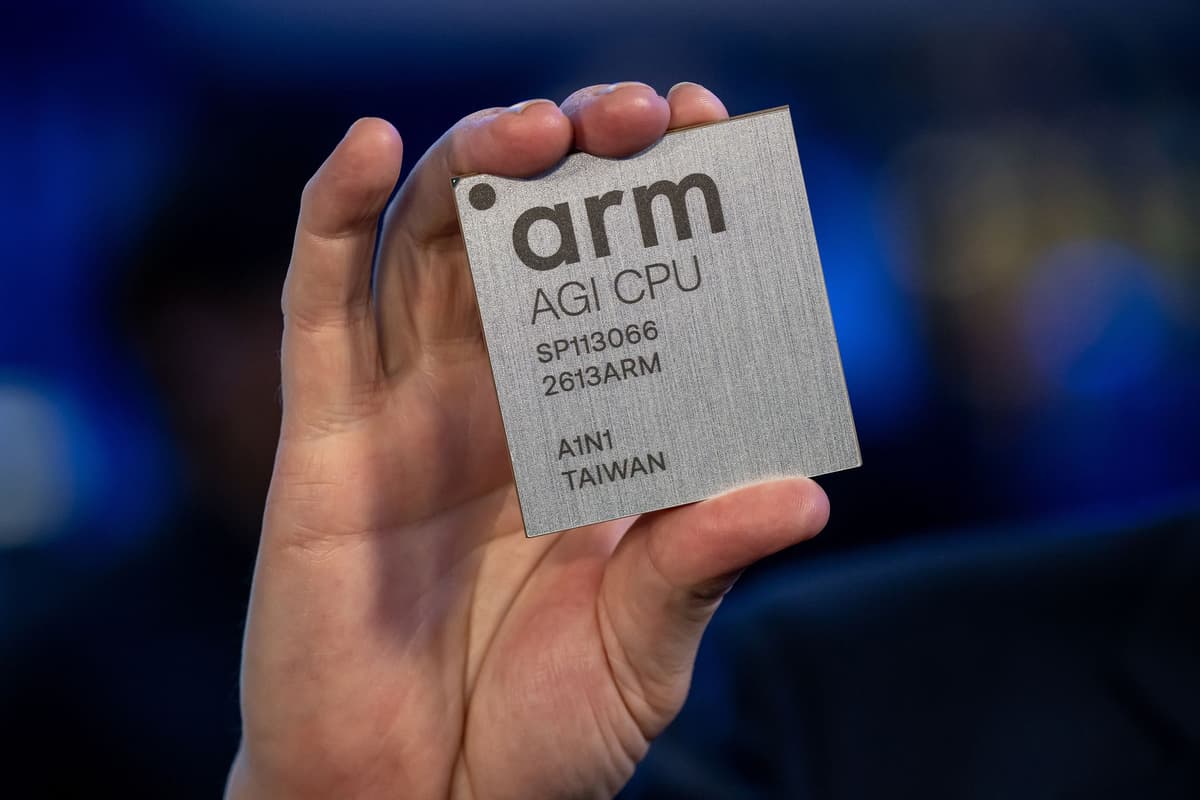
While the UK is home to ARM, whose chip architectures power devices globally, semiconductor design and manufacturing remains dominated by American and Asian companies. The government's strategy exploits a window of opportunity as AI data centers shift from uniform chip deployments toward mixed fleets of specialized hardware for different tasks.
"You can't do everything on your own, so you really have to be militant about what areas you want to specialize in," said Keegan McBride, director of science and technology at the Tony Blair Institute. "The UK is playing a very smart game … If other companies begin to depend on British chips, that gives you leverage."
The details were first reported by WIRED.
This is an original analysis by the Omega editorial team. Source reporting: WIRED.
Want systems like this working for your business?
Book a Call
