UK Doctors May Face Liability for AI Diagnostic Errors
Medical Protection Society warns current law leaves clinicians exposed to negligence claims when artificial intelligence tools make mistakes in patient care.
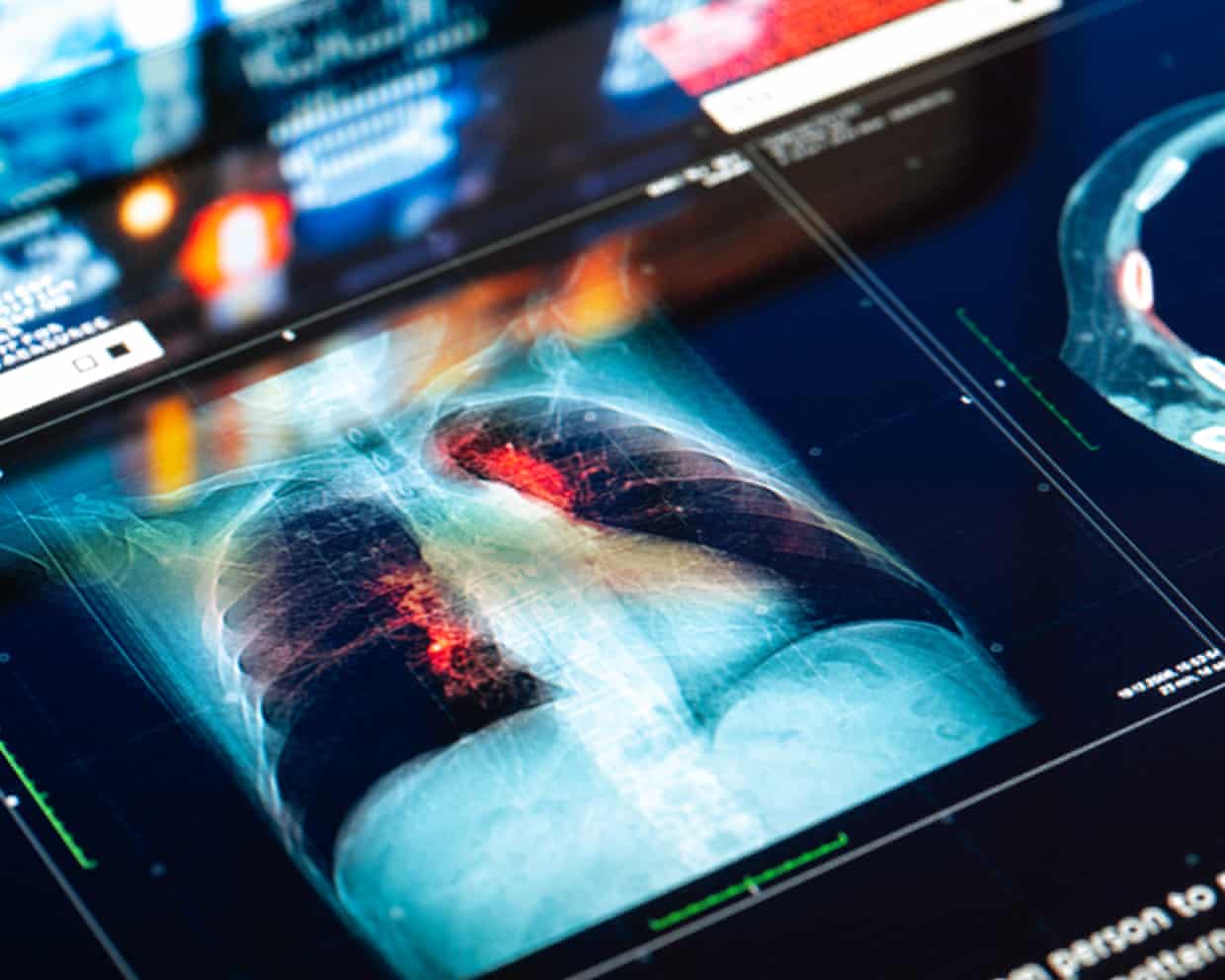
Doctors at risk as AI use expands in NHS
Doctors and NHS trusts could face medical negligence lawsuits over mistakes made by artificial intelligence diagnostic tools, according to a new warning from the Medical Protection Society. Under existing UK law, clinicians and healthcare providers can be held liable when patients are harmed by AI errors—even when the technology itself generated the faulty diagnosis or treatment recommendation.
The MPS, which represents doctors in professional conduct cases, argues that physicians risk becoming a "liability sink" for AI failures unless Parliament updates the legal framework. The organization detailed its concerns in a report calling for urgent law reform as AI adoption accelerates across the NHS.
How AI errors could trigger lawsuits
The society outlined specific scenarios where AI mistakes could lead to patient harm and subsequent litigation. In one example, an AI system analyzing a chest X-ray might fail to detect a lung tumor, providing false reassurance that delays cancer treatment and allows the disease to spread. In another, an AI tool could incorrectly recommend increasing a patient's warfarin dosage, causing severe bleeding that requires emergency surgery and intensive care.
In both cases, the MPS said doctors face "real and significant risk" of negligence claims under the current product liability framework. "Under the current product liability framework in the UK, there is a risk that clinical negligence claims could be brought against the clinicians in these cases and that they would be held wholly liable," the report states.
The NHS now uses AI for multiple clinical functions, including scan analysis, generating consultation summaries, and drafting patient correspondence.
Call for legal reclassification
The Medical Protection Society wants the government to reclassify AI clinical tools as products under the Consumer Protection Act 1987. This change would shift liability toward AI developers and manufacturers rather than the doctors who use their systems.
Dr. Sarah Townley, the MPS deputy medical director, said the law has always lagged behind technological change, but AI's rapid evolution has created "less like a step and more like a widening gulf."
Dr. Ragit Varia, president-elect of the Society for Acute Medicine, warned that unclear accountability could erode public trust in healthcare. "Clinicians should not find themselves holding a liability hot potato when decisions have been influenced by AI systems developed, supplied and implemented by others without the appropriate structure," Varia said.
Government response
The Department of Health and Social Care acknowledged the report and said it would review the recommendations. A DHSC spokesperson noted that NHS Resolution, which manages negligence claims for English hospitals, is currently drafting AI liability guidelines.
Ahmed Binesmael, a senior policy analyst at the Health Foundation, emphasized that public confidence in healthcare AI depends on clear safeguards and oversight, not just technological capability.
These details were first reported by The Guardian.
This is an original analysis by the Omega editorial team. Source reporting: AI Watch.
Want systems like this working for your business?
Book a Call
