UK Bans Social Media for Under-16s Starting Spring 2027
Prime Minister Keir Starmer's sweeping restrictions will block minors from major platforms while raising questions about enforcement and effectiveness.
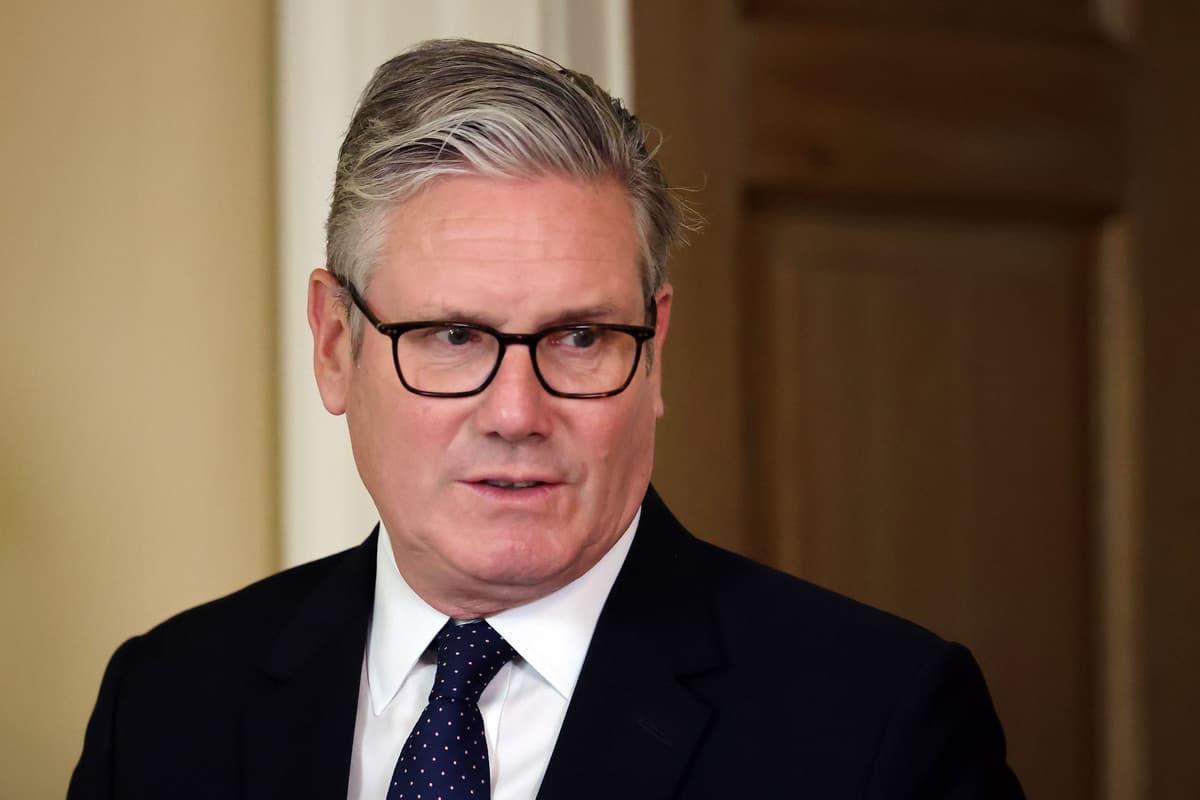
The United Kingdom will prohibit children under 16 from accessing social media platforms starting in spring 2027, Prime Minister Keir Starmer announced Monday. The policy targets Facebook, Instagram, X, TikTok, Snapchat, and YouTube, though messaging services like WhatsApp and Signal remain exempt.
"Social media is making our children unhappy and unsafe," Starmer stated, characterizing the move as government intervention after tech companies "had their chance and failed." The restrictions extend beyond simple age gates: all platforms must disable livestreaming features and prevent strangers from contacting users under 16. The government is also considering an overnight social media curfew for under-18s, with details expected in July. Additionally, the minimum age for chatbots that simulate romantic interactions will rise to 18.
Why it matters
This represents one of the most aggressive national interventions in social media regulation, potentially setting a template for other democracies grappling with children's online safety. However, Australia's seven-month-old ban—which inspired the UK policy—shows 70 percent of under-16s still accessing prohibited platforms through VPNs and false credentials. The effectiveness of enforcement mechanisms will determine whether this becomes meaningful child protection or political theater that pushes young users toward less regulated corners of the internet.
Divided consultation, rushed timeline
The ban follows a public consultation from March to May that drew over 100,000 submissions, according to WIRED, which first reported the details. Respondents split into three camps: those supporting total prohibition, those favoring feature-specific restrictions, and those opposing any ban. More than 90 percent of responding parents backed an outright ban, including Esther Ghey, whose transgender daughter Brianna was murdered by schoolchildren in 2023 after struggling with mental health issues Ghey attributed partly to harmful online content.
Critics argue the government announced the policy before releasing full consultation findings, promised by summer's end. A former special advisor to Starmer's Labour government told WIRED that leadership pressures and upcoming by-elections accelerated the timeline, suggesting political calculations drove the rushed implementation.
Enforcement challenges and industry pushback
Australia's experience raises serious questions about practical enforcement. That country's eSafety regulator found 70 percent noncompliance seven months after implementation and launched investigations into Snap, TikTok, Facebook, Instagram, and YouTube in March. Teenagers routinely bypass restrictions using VPNs or fabricated credentials.
YouTube spokesperson Jay Stoll argued that "blanket bans push kids out of such curated, supervised, beneficial experiences and towards anonymous, less safe services." Meta, Snap, X, and TikTok did not immediately respond to requests for comment from WIRED. Reddit previously sued the Australian government over similar restrictions.
The policy may strain UK-US relations, as American officials have criticized British internet regulations as threats to free speech. The US government submitted consultation feedback advocating narrow restrictions on adult content rather than broad platform bans, noting "concerns about regulations that impose disproportionate compliance burdens on American companies."
Researchers like Emily Setty, associate professor of criminology at the University of Surrey, worry the ban addresses symptoms rather than causes. "My fear is that this ban will be performative—and everything else will remain the same," Setty told WIRED. Organizations like the Molly Rose Foundation advocate for addressing addictive design features rather than imposing blanket prohibitions that may prove unenforceable.
These details were first reported by WIRED.
This is an original analysis by the Omega editorial team. Source reporting: WIRED.
Want systems like this working for your business?
Book a Call