UK AI Policy Architect Quits Aria Chair After Anthropic Hire
Matt Clifford steps down from government research agency role following conflict-of-interest concerns over simultaneous position at Claude developer.
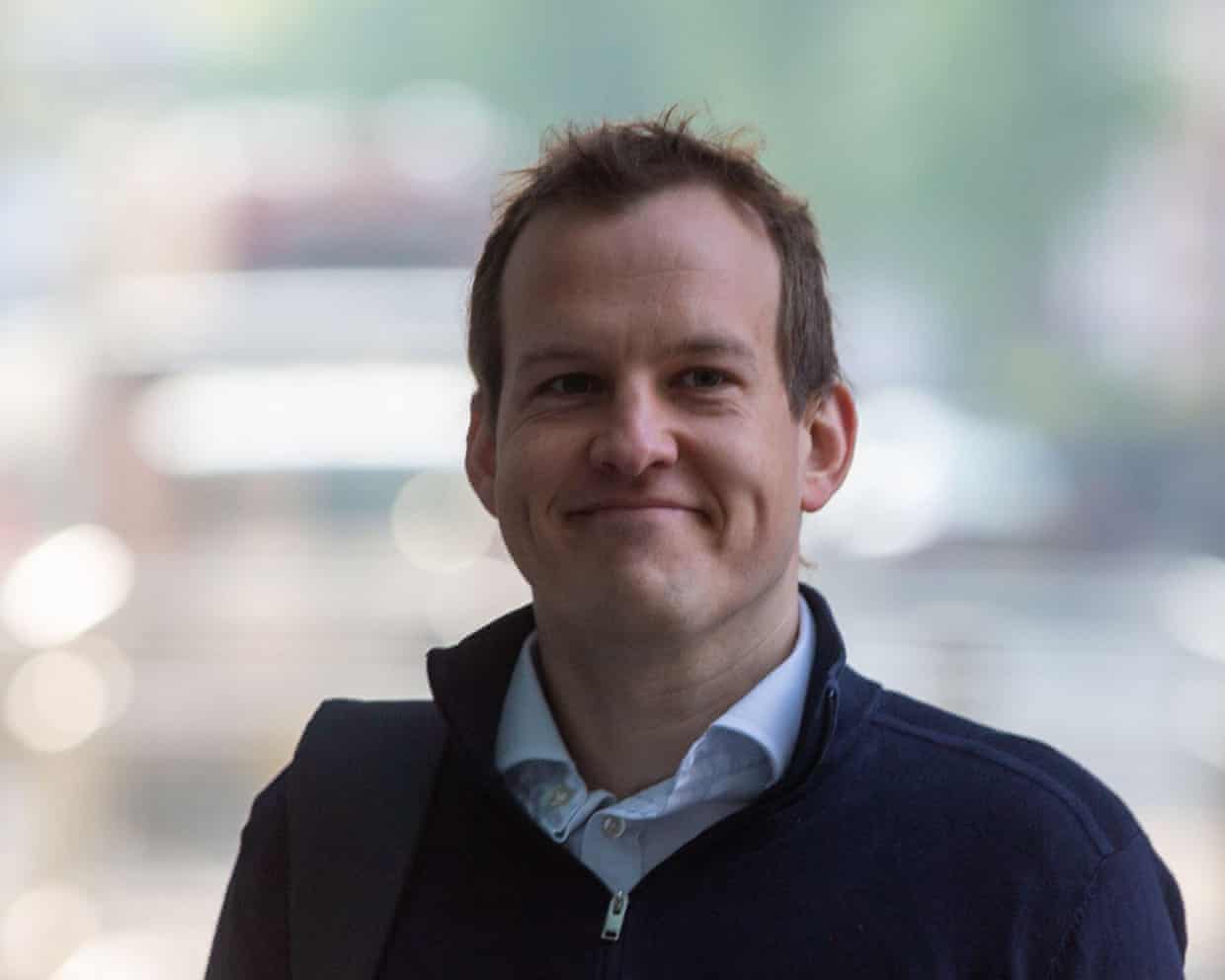
Matt Clifford has resigned as chair of the UK's Advanced Research and Invention Agency (Aria) following parliamentary pressure over his simultaneous employment at Anthropic, the San Francisco-based company behind the Claude AI assistant.
Clifford announced last week he would join Anthropic full-time to lead the company's government engagement outside the United States, including with the UK. He initially planned to retain his leadership position at Aria, the government's frontier science and technology research funding body, while working for the AI firm.
The arrangement immediately drew criticism from senior members of Parliament. Chi Onwurah, the Labour chair of the Commons science, innovation and technology committee, called the dual role a "clear conflict of interest" in a letter to AI minister Kanishka Narayan. Though Anthropic stated Clifford would recuse himself from any company-related business at Aria under an agreement with the government, the controversy proved untenable.
On Monday, Clifford announced his departure, stating he would step down to prevent his Anthropic role from becoming "a distraction from Aria's incredible work." He will remain in place until November 6 with conflict-of-interest safeguards active during the transition.
Why it matters
The episode highlights mounting concerns about the revolving door between UK government AI policy roles and private AI companies at a critical juncture for regulation. When senior officials move directly from shaping national AI strategy to commercial firms, it raises questions about whether policy decisions favor industry interests and whether proprietary government knowledge about regulatory approaches gives companies competitive advantages. The controversy forced a resignation despite government approval of the arrangement, signaling that parliamentary and public scrutiny of these transitions is intensifying.
A Pattern of Movement
Clifford's case is far from isolated. Former Prime Minister Rishi Sunak has taken positions with both Anthropic and Microsoft since leaving office. Former Chancellor George Osborne now works for OpenAI, and Nick Clegg held a senior role at Meta until 2025. Tom Brake, chief executive of campaign group Unlock Democracy, warned that transferring sensitive AI policy knowledge to private companies shortly after leaving government could undermine the UK's ability to pursue precautionary approaches to AI development.
Onwurah welcomed Clifford's resignation but emphasized that significant questions remain, including how the situation arose initially, what conflict assessments were conducted, and what safeguards exist to protect confidence in Aria's governance. Crossbench peer Beeban Kidron, a prominent government AI policy critic, said rebuilding trust requires "a clear line between tech interests and those of citizens and the nation."
Clifford's Government Role
The 40-year-old venture capitalist co-founded Entrepreneurs First and became a central figure in UK technology circles. He assumed the Aria chair in 2022 and served as Keir Starmer's AI adviser from January 2025 until stepping down after six months for personal reasons. Under Rishi Sunak's government, Clifford played a prominent role organizing the 2023 AI safety summit and helped establish what became the AI Security Institute.
The timing of Clifford's departure coincides with renewed warnings about AI risks. AI pioneer Geoffrey Hinton issued a statement Monday supporting a parliamentary bill to prohibit artificial superintelligence creation, warning that losing control over AI systems smarter than humans "could even lead to human extinction."
These details were first reported by The Guardian.
This is an original analysis by the Omega editorial team. Source reporting: AI Watch.
Want systems like this working for your business?
Book a Call
