Two-Thirds of Americans Oppose Data Centers in Their Communities
A new Reuters/Ipsos poll reveals deep public skepticism about AI infrastructure expansion, driven by electricity cost fears and local impact concerns.
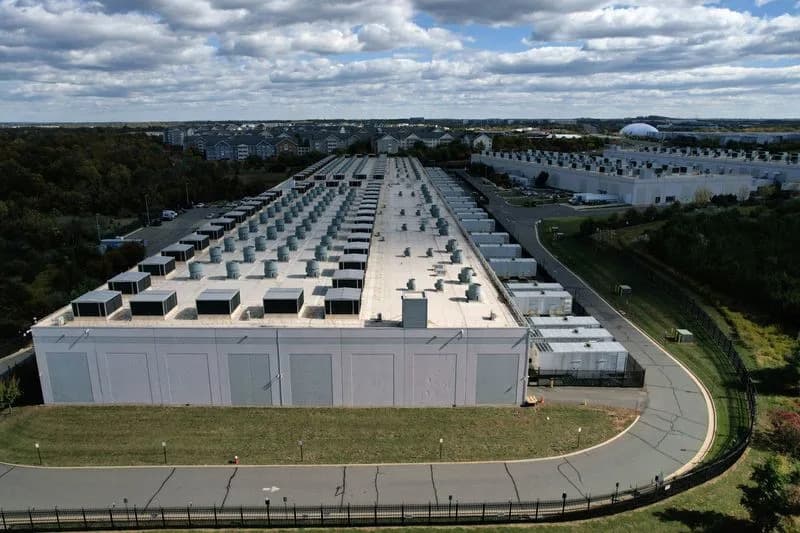
Public resistance to AI infrastructure grows
Americans are expressing strong opposition to the data center boom fueling artificial intelligence development, with only one in three approving of the current construction pace, according to a Reuters/Ipsos poll conducted in early June.
The survey of 4,531 people found that 64% disagreed with building data centers rapidly, while a striking 57% would oppose such facilities in their own communities. Just 14% said they would welcome a data center nearby, according to findings first reported by Reuters.
The United States currently operates 710 data centers with another 1,062 projects in the pipeline, according to research firm Cleanview. This expansion comes as the Trump administration has prioritized AI development to compete with China, directing federal agencies to fast-track permitting for related infrastructure.
Why it matters
The poll results signal a significant political liability for data center proponents as the infrastructure debate intersects with voter concerns about energy costs and local development. With electricity prices already elevated and 77% of respondents worried AI will drive them higher, the issue cuts across party lines and could influence November midterm elections in communities facing proposed projects.
Electricity costs drive concern
Worries about utility bills dominate public anxiety around data centers. The poll found 77% of respondents—including similar shares of Republicans, Democrats, and independents—fear AI will make electricity more expensive.
"That is extremely concerning for me," said Mark Thompkins, a 65-year-old Republican survey respondent from rural Hancock County outside Indianapolis who works as a senior project manager for a telecom company. "My electric bills are high as it is."
AI algorithms require data centers to consume massive amounts of electricity while occupying large land areas and using substantial water resources, typically without generating significant long-term employment.
Political campaigns seize the issue
Ahead of the midterm elections, some Democratic candidates are campaigning on data center risks. Progressive Senate candidate Graham Platner in Maine has highlighted potential electricity price increases, attempting to leverage Republican vulnerability on inflation as national gasoline prices have exceeded $4 per gallon for over two months.
Retired South Bend resident Loren Smith, 72, a Republican survey respondent, expressed concern about construction speed and lack of transparency from developers and local officials. "Politicians are being very secretive about what they are offering the [companies] as far as tax breaks," Smith said, noting data centers rank among his top three midterm issues.
Broader AI anxieties surface
Data center concerns connect to wider fears about AI's economic impact. The poll found half of Americans worry that AI could cost them or a household member their job.
Facing public backlash, fourteen states have considered or are actively considering moratoriums on new data center projects. In Indianapolis, the Metropolitan Development Commission is reviewing a proposed $2 billion data center development by DC Blox despite vocal opposition at a packed April hearing.
Support for rapid data center construction registered slightly higher among Republicans than Democrats, though both groups showed majority opposition to the current pace.
Reuters reporters Valerie Volcovici and Jason Lange first reported these poll findings from Washington.
This is an original analysis by the Omega editorial team. Source reporting: AI Watch.
Want systems like this working for your business?
Book a Call
