Trump's Anthropic AI Export Ban Fractures US Tech Alliances
Unprecedented order blocking foreign access to Claude models accelerates European push for AI sovereignty.
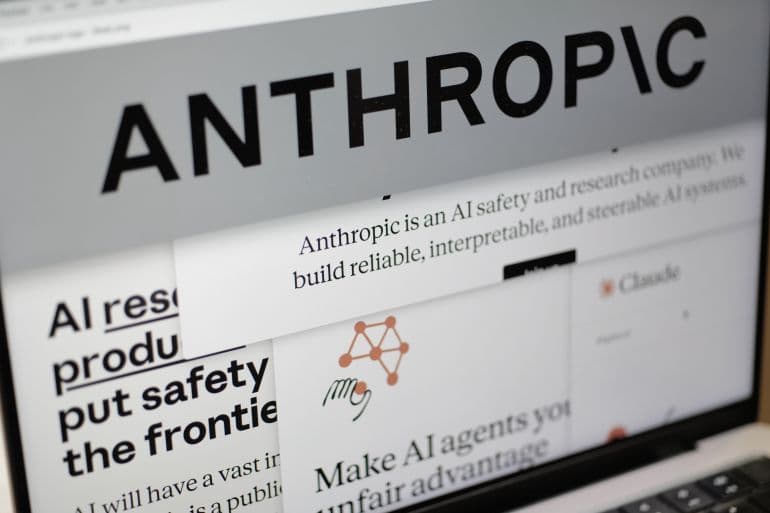
The Trump administration has issued an unprecedented order requiring Anthropic to block all foreign access to its advanced AI models, marking the first time the United States has imposed such restrictions on artificial intelligence technology developed by a private company.
President Trump ordered the tech company to cut off access to its Mythos 5 and Claude Fable 5 models last week, citing national security concerns. The directive forced Anthropic to take both models completely offline, affecting 200 institutions across 15 countries that had been testing the Claude Mythos Preview for vulnerabilities. According to Anthropic, the company understands the administration acted on intelligence about a potential method for "jailbreaking" Fable 5, though no official explanation was provided.
Why it matters
Unlike previous US technology restrictions targeting adversaries like China and Russia, this ban applies equally to close allies with intelligence-sharing and mutual defense agreements. The move signals a fundamental shift in how the United States treats AI as a strategic asset, potentially fragmenting the global AI ecosystem along national lines and accelerating the decoupling of allied technology infrastructure.
Allied Response and Sovereignty Concerns
The ban drew immediate criticism from European leaders at this week's Group of Seven summit. French President Emmanuel Macron called the restrictions "a bad thing" and warned against "non-cooperation between democracies," while acknowledging the order served as a "wake-up call" about AI risks. Thomas Regnier, European Commission spokesperson for tech sovereignty, told reporters that security challenges should be addressed collectively rather than through measures "discriminatory against partners."
Canadian Prime Minister Mark Carney framed the incident as a lesson in the dangers of over-reliance on any single nation's technology infrastructure. "We will have done something wrong if we just accept this, don't take the lesson, don't build out and diversify," Carney said ahead of the summit.
Accelerating European AI Independence
The export ban is amplifying existing momentum toward technological self-sufficiency among US allies. Bruno Retailleau, a candidate in France's 2027 presidential election, argued that "a nation that depends on others for its technology is a nation that can be unplugged overnight." He called for treating AI as a sovereignty issue comparable to nuclear power.
European nations have already begun shifting toward domestic alternatives. Germany's armed forces recently declined to award contracts to Palantir, the US big data analytics firm, over concerns about private industry access to national systems. Both German and French intelligence agencies have partnered with European companies rather than US providers for similar reasons.
Marcin Jerzewski of the European Values Center for Security Policy suggested European AI companies, particularly Paris-based Mistral—the EU's only major frontier-model competitor—could benefit from the controversy as governments seek alternatives to US-controlled technologies.
Policy Context and Trade Tensions
The Anthropic order follows 18 months of increasingly transactional US foreign policy under Trump, including a global trade war, threats to withdraw from NATO, and demands that European allies help reopen the Strait of Hormuz as a condition for continued weapons supplies to Ukraine.
David Smith, a US politics expert at the University of Sydney, noted the ban represents a departure from historical practice. "In the past, when the US has restricted the export of certain technologies, they have always been things with direct military applications," Smith explained. The Trump administration previously scrapped a Biden-era "small yard, high fence" semiconductor scheme that had created tension with allies, later approving sales of advanced Nvidia chips to select Chinese firms.
G7 leaders discussed establishing a "trusted partner" framework for accessing advanced AI models, though details remain undisclosed.
These details were first reported by Al Jazeera.
This is an original analysis by the Omega editorial team. Source reporting: AI Watch.
Want systems like this working for your business?
Book a Call