Trump-Xi Summit to Address AI Export Controls, Rare Earth Access
The September 23 White House meeting will test whether economic interests can overcome deepening technology and security tensions between Washington and Beijing.
High-Stakes Negotiations Resume
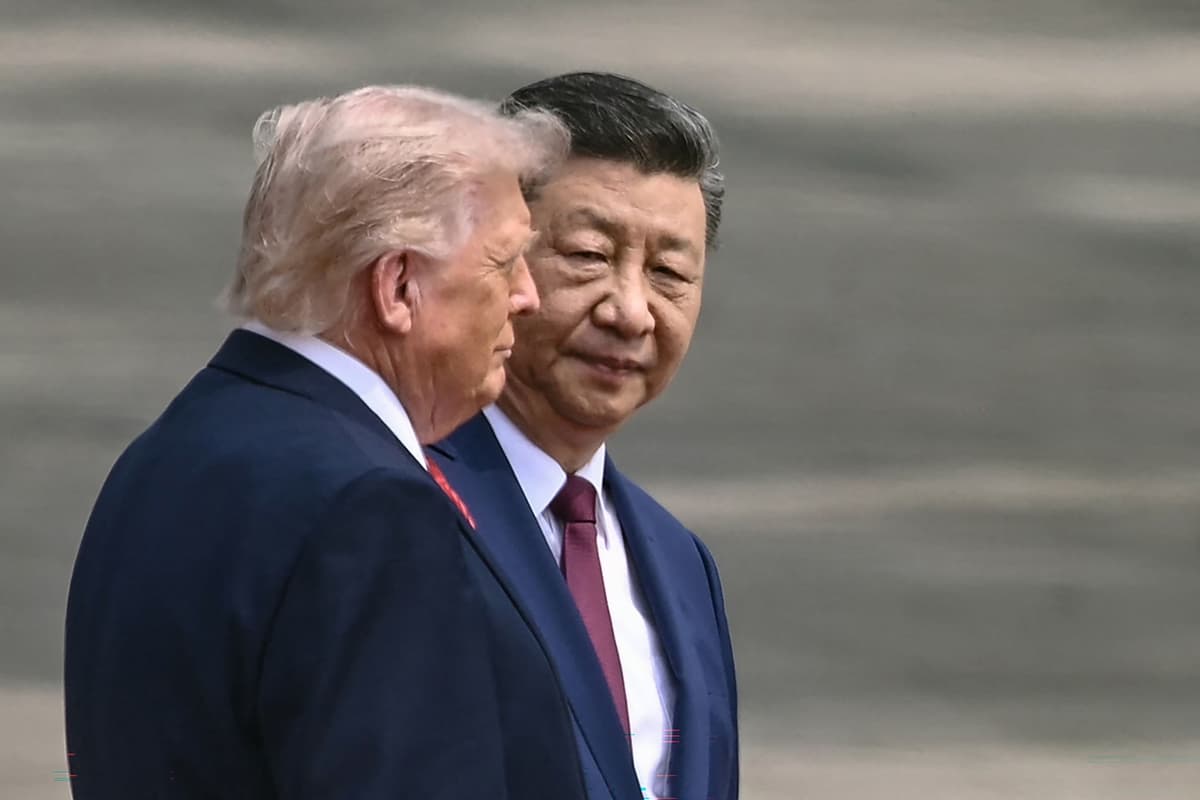
President Donald Trump will personally greet Chinese President Xi Jinping at Joint Base Andrews on September 23, an uncommon diplomatic courtesy that signals the importance of their upcoming White House summit. The meeting comes as a trade truce negotiated in Busan last year approaches its November 10 expiration date, forcing both nations to decide whether economic cooperation can survive mounting tensions over technology, Taiwan, and geopolitical influence.
Ahead of the leaders' meeting, Treasury Secretary Scott Bessent and Trade Representative Jamieson Greer are negotiating with He Lifeng, China's vice premier, to establish the agenda. According to details first reported by WIRED, the discussions span trade policy, supply chain security, and artificial intelligence competition.
Why it matters
The summit will determine whether the world's two largest economies can maintain even limited cooperation on AI development and critical technology supply chains. For business leaders in the AI sector, the outcome could reshape access to essential hardware components and set the tone for international AI safety standards—or accelerate a complete technological decoupling between the US and China.
Rare Earth Minerals as Leverage
One central issue involves China's export restrictions on rare earth minerals, which are essential for manufacturing AI hardware, defense systems, and electric vehicles. The Busan agreement temporarily lifted Beijing's export limits on these materials, but China has used its dominant market position to extract concessions from Washington. The US seeks stable, long-term access to these critical resources as domestic AI development accelerates.
The leaders may also negotiate purchase targets for agricultural products, energy, and Boeing aircraft, along with a package of approximately $30 billion in "non-sensitive" goods across roughly 10 categories. However, the scope of these categories remains undefined.
AI Safety and Export Controls
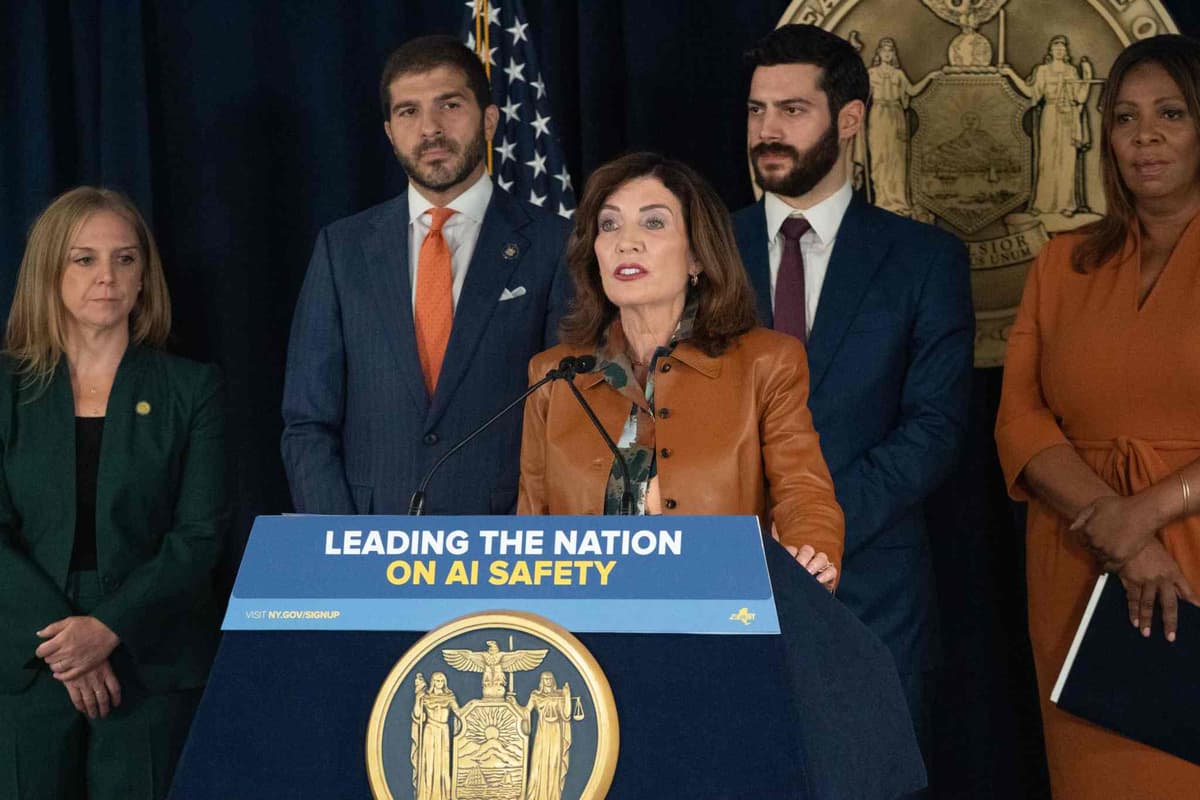
Treasury Secretary Bessent has confirmed that AI safety will feature prominently in bilateral talks, reflecting pressure from business leaders who want clarity on future regulations. Beijing is pushing for relaxed restrictions on Chinese technologies, while some US companies worry about falling behind Chinese competitors if development slows for safety reviews.
These AI discussions intersect directly with ongoing disputes over semiconductor export controls. Trump has resisted domestic calls for AI regulation, complicating any potential framework for international cooperation on safety standards.
Geopolitical Tripwires
China has threatened to withdraw from the summit entirely if the US approves new arms sales to Taiwan. The agenda also includes discussions about China's economic relationship with Iran and the status of detained foreign nationals in both countries. Analysts expect both sides to avoid major concessions on these sensitive topics.
Limited Expectations
Anna Ashton, a China trade analyst and founder of Ashton Intelligence, told CNBC that while the summit may produce symbolic deliverables, fundamental breakthroughs appear unlikely. "I think status quo is probably both sides' general best expectation," Ashton said.
The May meeting in Beijing produced ceremonial gestures but few substantive policy changes. Whether the Washington summit yields different results depends on whether economic incentives can overcome deepening strategic competition.
These details were first reported by WIRED.
This is an original analysis by the Omega editorial team. Source reporting: WIRED.
Want systems like this working for your business?
Book a Call