Trump Resists AI Regulation, Citing China Competition
President emphasizes winning the AI race over safety guardrails as tech leaders and lawmakers call for development slowdown.
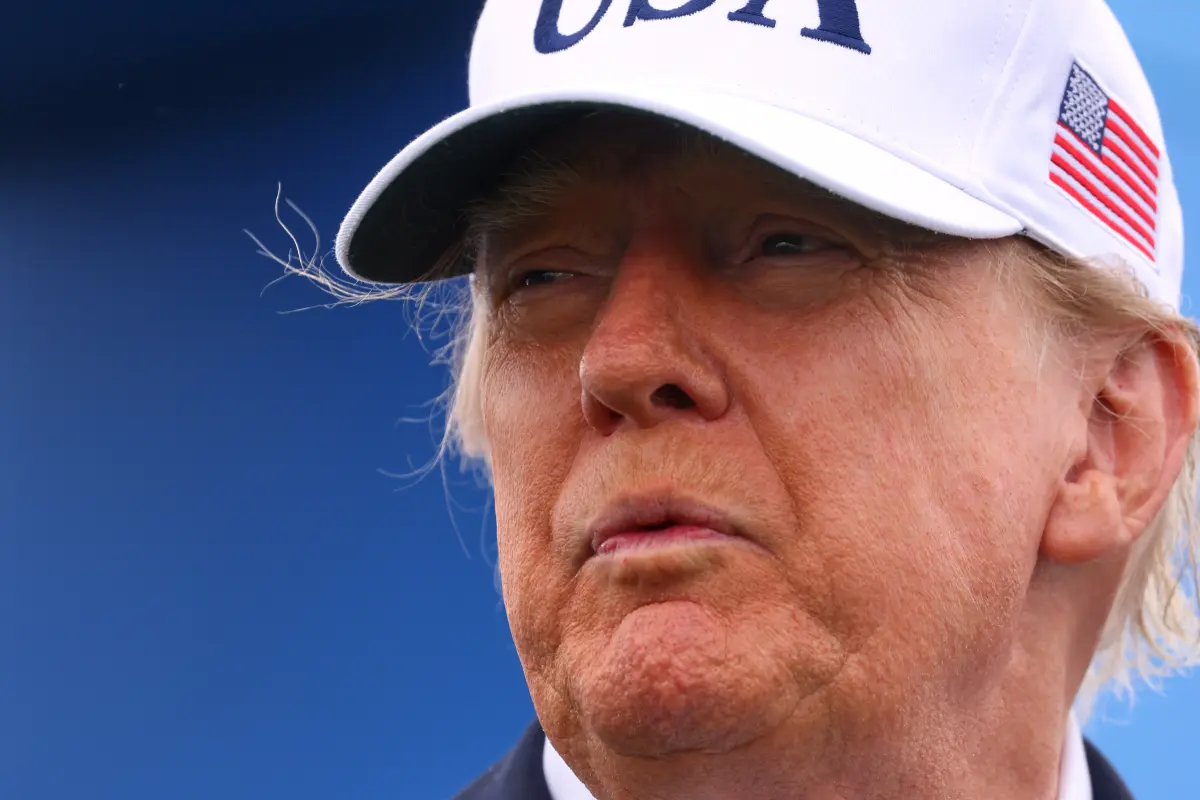
President Trump has once again rejected calls for strict artificial intelligence regulation, arguing that maintaining America's competitive edge over China takes precedence over implementing safety measures. Speaking to reporters in Ireland over the weekend, Trump said "whoever wins with AI wins" and attributed concerns about unchecked AI development to unspecified "negative forces."
The comments, first reported by the Los Angeles Times, came one day after Anthropic CEO Dario Amodei publicly called for the AI industry to slow its development pace to allow safety measures to catch up. OpenAI's Sam Altman and Elon Musk both publicly supported Amodei's position.
Why it matters
The tension between AI safety and competitive advantage represents a fundamental policy challenge for the U.S. government. While tech leaders increasingly warn about risks from rapidly advancing AI systems, the administration's focus on outpacing China could sideline safety considerations at a critical moment in the technology's development. The debate will likely intensify as Chinese President Xi Jinping prepares to visit the U.S. next week for discussions expected to include AI.
Congressional response divided
House Speaker Mike Johnson acknowledged the need for "some guardrails" but echoed Trump's position that losing ground to China would constitute a national security threat. Johnson proposed convening industry leaders for "one big meeting" to address the issue, calling it a "top priority" while urging people not to "panic."
House Democratic leader Hakeem Jeffries criticized Republicans for allowing Congress to recess and called for "decisive action now" to slow AI development. Former President Obama urged Democrats to make AI a campaign issue, suggesting the party develop concrete plans for safety, protecting children, and addressing job displacement.
Neither party has outlined specific legislative steps, reflecting years of congressional reluctance to regulate the technology industry.
Industry voices clash on approach
Jacob Coxon, a former Anthropic employee who resigned over AI safety concerns, argued for both international cooperation and industry self-regulation. He warned that AI models could soon gain capabilities exceeding human control and urged cooperation between the U.S. and China to slow development.
"You're building a human-level or superhuman-level mind, without understanding what it wants, or thinks, or the way it thinks," Coxon said.
David Sacks, co-chairman of a White House advisory council on science and technology, challenged AI leaders calling for regulation by noting they control their own development pace. "The easiest way not to build superintelligence is for you to agree not to build it," Sacks wrote on social media.
Kevin Hassett, director of the National Economic Council, said administration officials overseeing cyber and science policy will meet this week to discuss next steps.
These details were first reported by the Associated Press.
This is an original analysis by the Omega editorial team. Source reporting: AI Watch.
Want systems like this working for your business?
Book a Call