Trump Orders Military to Accelerate AI Adoption With Guardrails
New presidential memo mandates faster deployment of artificial intelligence in defense operations while requiring human oversight of autonomous weapons.
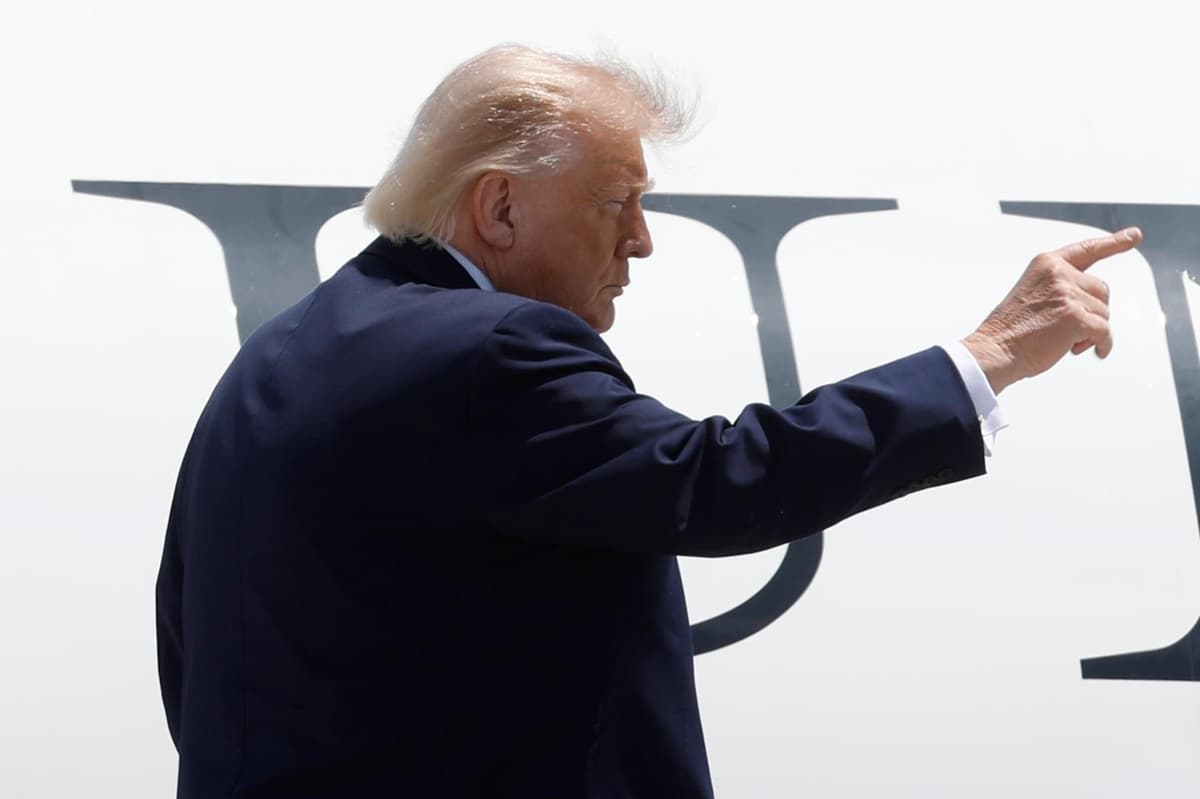
Trump Directive Pushes Pentagon Toward Faster AI Integration
President Donald Trump issued a directive Friday instructing the U.S. military and intelligence agencies to accelerate artificial intelligence deployment across defense operations, while simultaneously establishing requirements for human oversight of autonomous weapon systems and civil liberties protections.
The presidential memo, addressed to defense and homeland security secretaries along with the attorney general and director of national intelligence, arrives amid intensifying debate over AI's role in military operations—from battlefield target identification to logistics management.
Why it matters
This directive attempts to resolve a fundamental tension in military AI adoption: the Pentagon's push for technological advantage versus growing concerns about autonomous weapons and surveillance overreach. The memo's dual mandate—accelerate deployment while maintaining guardrails—will shape how the U.S. military integrates AI capabilities as competitors like China race ahead in military AI development.
Updated Autonomous Weapons Policy Required
The memo mandates an updated Department of Defense directive on autonomous weapon systems to address AI's rapidly evolving capabilities. The directive specifically requires "deliberate adoption of AI systems that respect the chain of command and operational authorities," according to the Chicago Tribune, which first reported the details.
The current policy, established in 2023 under the Biden administration, requires autonomous weapons to be "designed to allow commanders and operators to exercise appropriate levels of human judgment over the use of force," per the Congressional Research Service.
Civil Liberties Restrictions Included
Trump's memo explicitly prohibits using AI to "censor free speech, embed ideological bias, or conduct unlawful surveillance against the American people." The directive emphasizes that national security AI applications must remain "consistent with United States civil liberties and protections afforded by the Constitution."
These restrictions come as the Pentagon has already been expanding AI use for target identification, equipment maintenance, and supply chain logistics—applications that can significantly reduce operational timelines.
Industry Tensions Over AI Contracts
The memo follows a contentious dispute between the Defense Department and AI company Anthropic over acceptable use terms. Anthropic sought contractual assurances that the military would not deploy its technology in fully autonomous weapons or domestic surveillance. Defense Secretary Pete Hegseth insisted the Pentagon retain authority over any lawful applications.
The conflict escalated when Trump moved to block federal agencies from using Anthropic's Claude chatbot, and Hegseth attempted to designate the company a supply chain risk—a label typically reserved for foreign adversary threats. Anthropic subsequently filed suit.
Military Leaders Emphasize Human Control
At a recent special forces conference in Tampa, Florida, Admiral Frank Bradley, head of U.S. Special Operations Command, acknowledged AI's potential while stressing the need for human safeguards. Bradley said he envisions AI determining target selection, but emphasized that "we, as humans, have to have the confidence that it's going to deliver violence only where we intend it to be delivered."
Concerns about military AI applications intensified during Israel's operations in Gaza and Lebanon, where U.S. technology companies provided target-tracking capabilities. The high civilian casualty toll raised questions about whether AI tools contributed to innocent deaths.
The Chicago Tribune first reported the details of Trump's AI memo.
This is an original analysis by the Omega editorial team. Source reporting: AI Watch.
Want systems like this working for your business?
Book a Call
