Trump Officials Discuss Federal Equity Stakes in OpenAI, AI Firms
Preliminary talks explore voluntary share transfers to distribute AI profits to American households, raising novel governance questions.
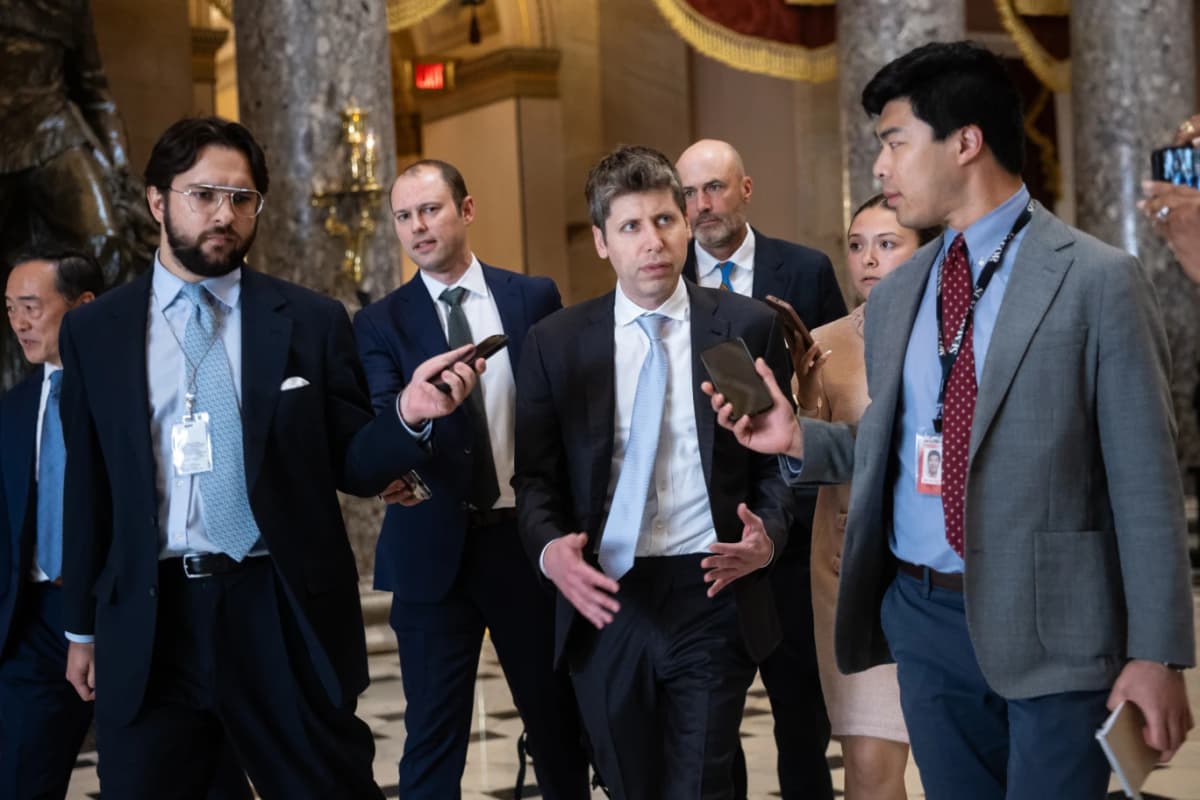
Government Ownership of AI Companies Under Discussion
Senior U.S. officials have begun preliminary conversations with major artificial intelligence companies about the federal government acquiring equity stakes in their firms, according to sources familiar with the discussions.
OpenAI CEO Sam Altman has periodically discussed the concept with senior Trump administration officials since the president's second term began. Altman first presented the idea directly to President Trump in early 2025 and has revisited it in recent weeks as a mechanism to distribute AI's economic benefits more broadly across the American public.
The discussions have centered on voluntary share transfers from the companies to the government. Investment returns could then fund public purposes, including potential dividend payments to all American households, according to sources who spoke on condition of anonymity.
Why It Matters
This represents an unprecedented approach to AI governance that could reshape how Americans benefit from—and regulate—transformative technology. The arrangement would create novel conflicts of interest, with the government simultaneously holding ownership stakes and regulatory authority over the same companies. It also signals growing bipartisan concern about concentrating AI's economic gains among a small group of private owners, even as the specific mechanisms and feasibility remain unclear.
Timing and Context
The conversations come as OpenAI and Anthropic prepare for what are expected to be among the largest initial public offerings in history. Public anxiety about AI remains high, with 55 percent of Americans believing AI will do more harm than good in their daily lives, according to recent Quinnipiac polling. A representative said Anthropic is not having conversations with the administration about providing government equity.
Since beginning his second term, Trump has pursued partial government ownership of American companies more aggressively than recent predecessors. The administration has made direct investments in at least 10 companies, including Intel, where the government's stock value has increased four-fold since purchase. Trump has privately expressed that American taxpayers should benefit from artificial intelligence, according to one source.
Legal and Political Obstacles
The legal mechanism for AI firms to transfer equity to the government remains unclear and may pose a significant obstacle. Several sources cautioned the arrangement may ultimately not materialize.
Critics across the political spectrum see potential problems. Nat Purser, a senior policy advocate at Public Knowledge, warned the government could become "less willing to impose, or enforce, safety rules because doing so could reduce the value of its own investment." Jennifer Huddleston of the Cato Institute questioned how government investment aligns with free market principles.
Meanwhile, Senator Bernie Sanders has called for the government to acquire 50 percent equity stakes in AI companies, effectively bringing them under federal control. His forthcoming bill would also impose a 50 percent tax on AI company stock, with proceeds funding a sovereign wealth fund. Former Trump strategist Steve Bannon similarly argued the government should demand 50 percent equity rather than accept smaller stakes.
OpenAI released a paper in April recommending creation of a "Public Wealth Fund" to provide every citizen with a stake in AI-driven economic growth. The company suggested policymakers and AI firms work together to determine how to seed such a fund. An OpenAI spokeswoman pointed to this paper when asked for comment.
These details were first reported by Notus.
This is an original analysis by the Omega editorial team. Source reporting: AI Watch.
Want systems like this working for your business?
Book a Call
