Trump Eyes AI Stock Stakes as Anthropic Files for IPO
The administration floats government investment in AI firms while the safety-focused lab pursues a near-trillion-dollar public offering.
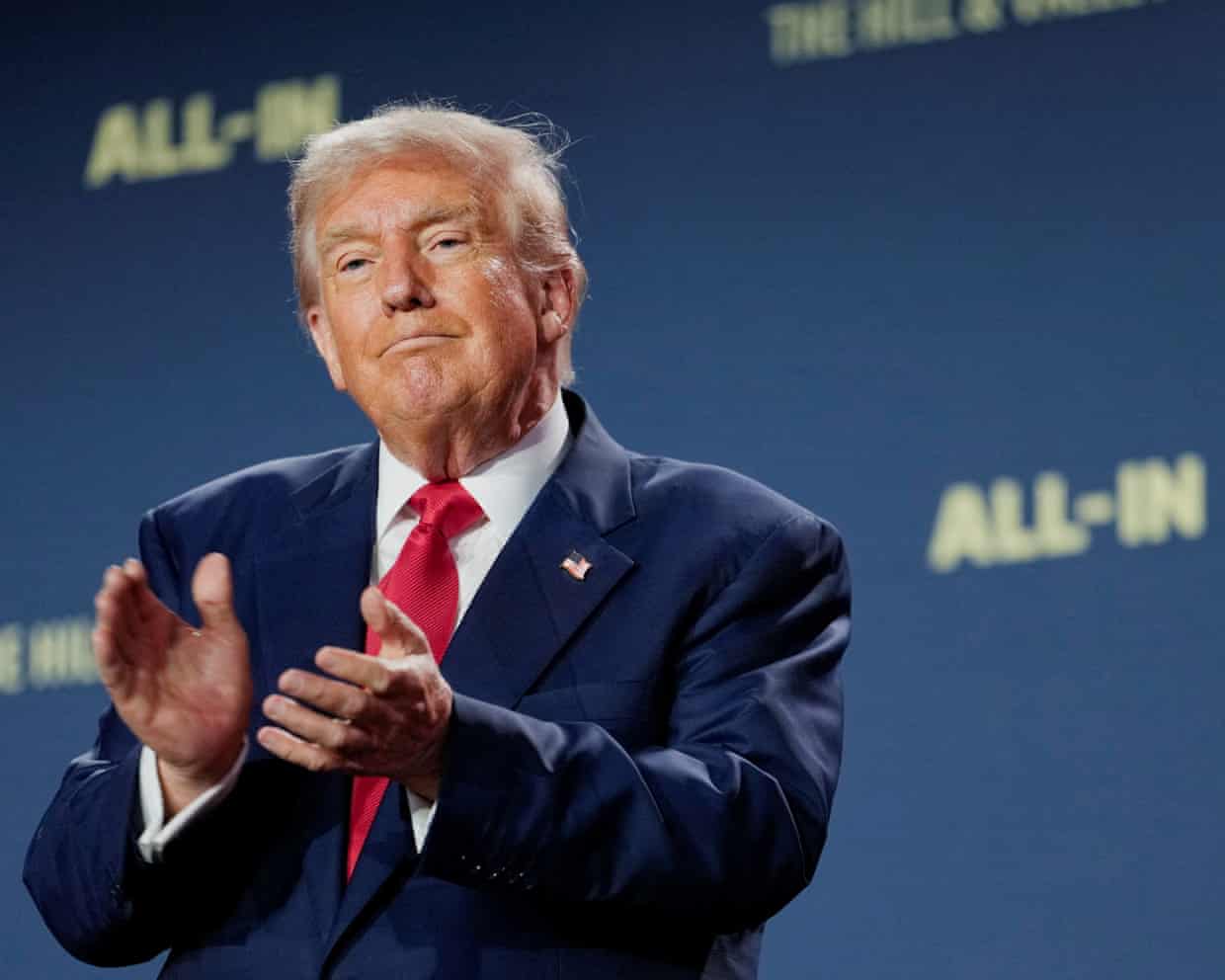
The Trump administration is exploring direct financial stakes in leading U.S. artificial intelligence companies, a move that would fundamentally reshape the government's relationship with the technology sector while potentially abandoning any pretense of safety-focused regulation.
Trump confirmed last week that his team would "look into" taking equity positions in major AI firms, describing the concept as "a partnership with the American public." OpenAI CEO Sam Altman has reportedly participated in discussions about such stock purchases with senior White House officials, according to reporting first published by the Guardian.
A Growth-First Approach
The administration's recent actions signal an unambiguous priority: maximize AI development speed over safety considerations. Trump signed two executive orders last week that underscore this stance. The first seeks voluntary government review of AI models 30 days before release—a significantly weakened version of an earlier proposal that would have mandated reviews 90 days in advance.
Trump had delayed signing even this diluted order in late May, telling reporters: "We're leading China, we're leading everybody, and I don't want to do anything that's gonna get in the way of that lead."
The second order directs the Defense Department to accelerate AI adoption for national cybersecurity, explicitly stating that U.S. leadership in AI exists "because we refuse to stifle this innovation with overly burdensome regulation."
A government equity stake could theoretically provide leverage to enforce safety standards. But given the administration's clear growth-first posture, the more likely outcome resembles a venture capital play: push for maximum company valuation to maximize eventual returns.
Anthropic's Convenient Timing
Meanwhile, Anthropic—which positions itself as the safety-conscious alternative to OpenAI—has confidentially filed for an initial public offering. The company's valuation stands at approximately $965 billion, surpassing OpenAI's roughly $850 billion.
In the same week as its IPO filing, Anthropic advocated for a possible "temporary pause" on advancing AI capabilities, citing risks from cutting-edge technology. The company also acknowledged that its Claude chatbot is progressing toward "recursive self-improvement"—the ability to create more powerful versions of itself.
Why It Matters
The convergence of government investment talks and Anthropic's IPO filing reveals the fundamental tension in AI governance: companies that warn loudest about AI risks continue racing to develop more powerful systems, while policymakers who could impose constraints instead consider becoming financial beneficiaries of unchecked growth. A federal stake in AI companies under a growth-maximizing administration would likely accelerate rather than moderate development, eliminating one of the few potential checks on the industry's expansion.
Anthropie's call for a development pause while pursuing a near-trillion-dollar public offering raises obvious questions about whose progress would be paused and who might be exempted. The company has successfully branded itself as more thoughtful than OpenAI, yet maintains a similar product release cadence.
These details were first reported by Blake Montgomery at the Guardian.
This is an original analysis by the Omega editorial team. Source reporting: AI Watch.
Want systems like this working for your business?
Book a Call
