Trump Administration Eyes Equity Stake in OpenAI
Discussions underway for government ownership in AI companies, with proceeds potentially flowing to a public wealth fund.
Government ownership in AI companies gains momentum
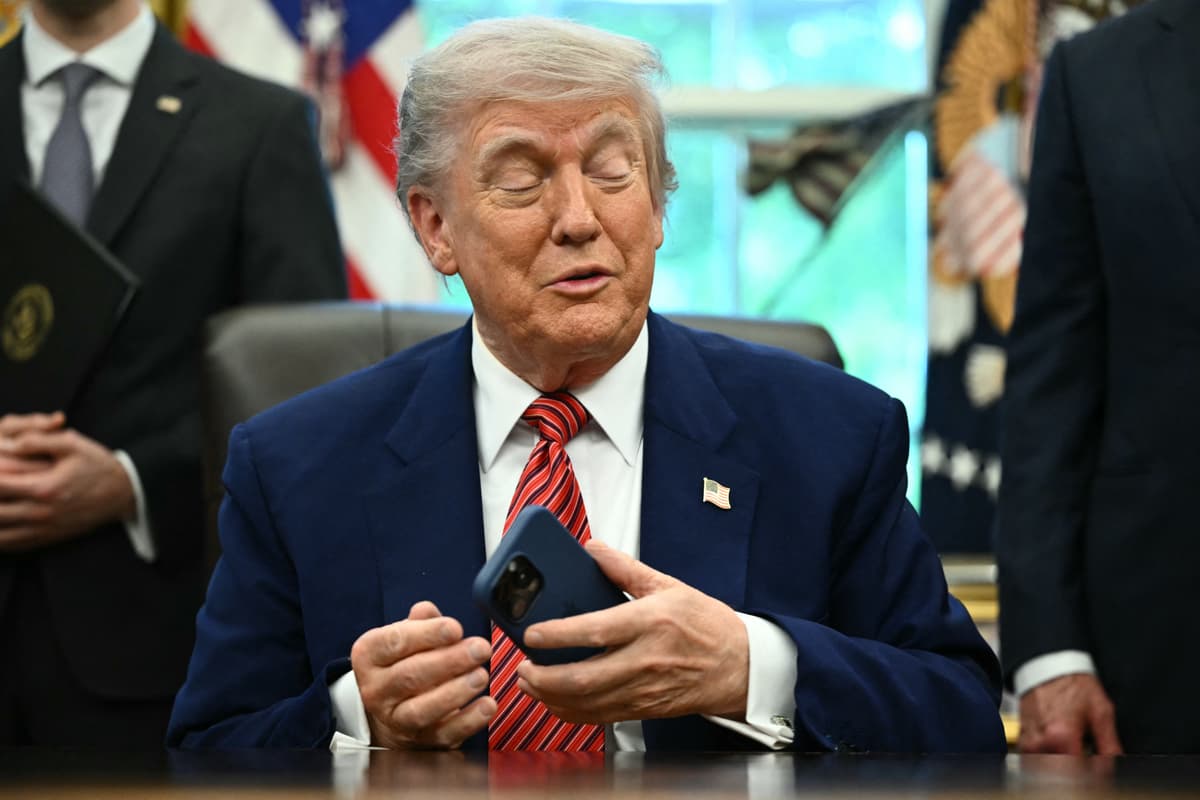
The Trump administration is in discussions with OpenAI about the federal government taking an equity stake in the AI company, CNBC reported Friday. President Donald Trump confirmed he has been speaking with AI executives about arrangements "where the American people can benefit from the success of AI," though he did not name specific companies.
According to CNBC, some of the equity could help establish a "Public Wealth Fund" that OpenAI recently proposed. Under that framework, proceeds would be distributed directly to citizens, allowing broader participation in AI-driven economic growth regardless of wealth or capital access.
Bloomberg reported that when questioned aboard Air Force One, Trump said he has been discussing "concepts where pieces could be given to the American public, where the American public essentially becomes a partner with the companies." Bloomberg also noted that OpenAI CEO Sam Altman has been exploring the idea of government stakes in major AI companies since early 2025.
Why it matters
Government equity stakes in leading AI companies would fundamentally reshape the relationship between Silicon Valley and Washington, potentially giving federal officials influence over strategic technology decisions while creating a new revenue stream tied to AI valuations. The timing is critical as OpenAI and other major AI companies are expected to pursue public offerings this year.
Precedent and political support
This approach aligns with the administration's recent pattern of government ownership in private companies. The federal government took a 10% stake in chipmaker Intel last year when the company faced financial difficulties.
The concept has attracted bipartisan interest, though with different mechanisms. Senator Bernie Sanders proposed this week that companies including OpenAI, Anthropic, and xAI pay a one-time 50% tax in the form of stock. Sanders argued this would "give the public a direct role in determining the future of this technology" and ensure AI-generated wealth improves lives broadly.
David Sacks, who recently stepped down as Trump's AI and crypto czar and now co-chairs the President's Council of Advisors on Science and Technology, acknowledged the idea's appeal across the political spectrum. However, he cautioned it would "accelerate the corporate-government fusion we're already sliding toward."
Former Microsoft employee Dare Obasanjo suggested on social media that "the groundwork is already being laid for a government bailout of OpenAI," raising questions about whether equity stakes could precede financial support for AI companies.
These details were first reported by CNBC and Bloomberg.
This is an original analysis by the Omega editorial team. Source reporting: AI Watch.
Want systems like this working for your business?
Book a Call
