Trump Administration Advances AI Chatbots for Medical Diagnosis
Federal push aims to enable AI systems to diagnose illness and prescribe medication despite physician concerns about accuracy and safety.
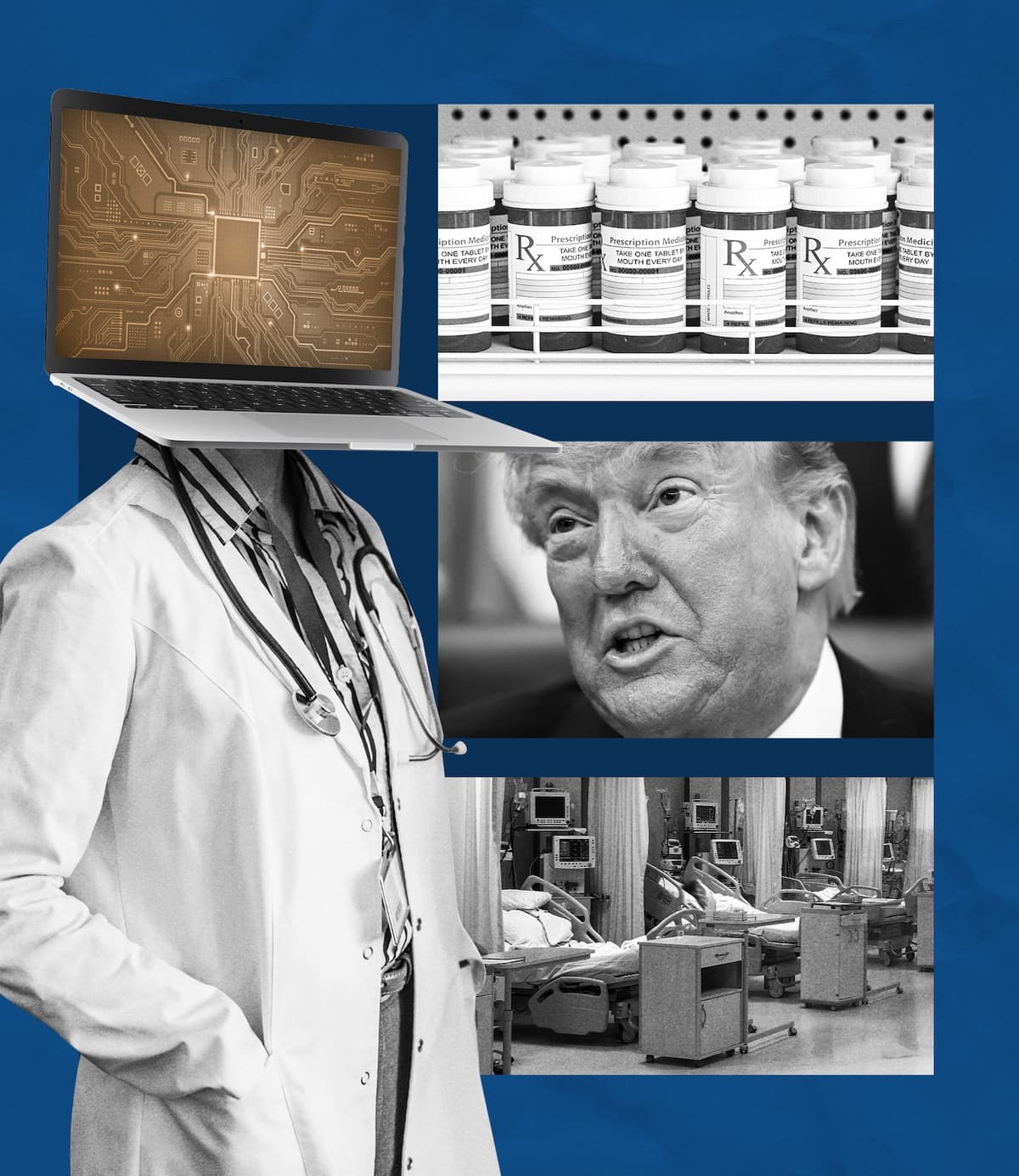
The Trump administration is developing regulatory pathways that would allow artificial intelligence chatbots to diagnose medical conditions and prescribe treatments, marking a significant shift in how healthcare could be delivered in the United States.
The initiative comes as some patients report positive experiences with AI-assisted diagnosis. Amy Gleason's daughter Morgan spent over a decade struggling with what doctors believed was an autoimmune disorder. When the 27-year-old uploaded 16 years of medical records into ChatGPT, the AI system suggested a different diagnosis that ultimately qualified Morgan for a clinical trial she had previously been denied access to.
Why it matters
This regulatory shift could fundamentally reshape the physician-patient relationship and medical liability frameworks. If AI systems gain authority to diagnose and prescribe without physician oversight, it raises critical questions about accountability when algorithms make errors, how medical licensing boards would oversee non-human practitioners, and whether cost savings would come at the expense of patient safety.
Physician pushback on automation
Despite anecdotal success stories, medical professionals are raising concerns about the administration's approach. Physicians argue that AI diagnostic tools can introduce new categories of errors that don't exist in traditional medical practice, potentially putting patients at risk.
The medical community's skepticism centers on questions of reliability, accountability, and the complexity of clinical decision-making that extends beyond pattern recognition in medical records. While AI systems can process vast amounts of data quickly, doctors emphasize that diagnosis requires contextual understanding, physical examination, and nuanced judgment that current AI technology may not replicate safely.
Regulatory groundwork underway
The administration is actively establishing the infrastructure needed to integrate AI diagnosticians into American medicine. This groundwork involves creating new regulatory categories, establishing safety standards, and potentially modifying existing healthcare laws that currently require human physicians to authorize diagnoses and prescriptions.
The timing of this push reflects broader efforts to reduce healthcare costs and expand access to medical services, particularly in underserved areas where physician shortages persist. Proponents argue that AI could provide faster, more affordable preliminary assessments, though critics counter that automation may create a two-tiered system where wealthier patients retain access to human doctors.
The Washington Post first reported these details about the administration's AI healthcare initiative and the case of Morgan Gleason's alternative diagnosis.
This is an original analysis by the Omega editorial team. Source reporting: AI Watch.
Want systems like this working for your business?
Book a Call
