Tokyo Ward Deploys AI Facial Recognition to Find Missing Persons
Arakawa ward installed 33 outdoor cameras near a busy transit hub, marking Japan's first municipal use of the technology for public searches.
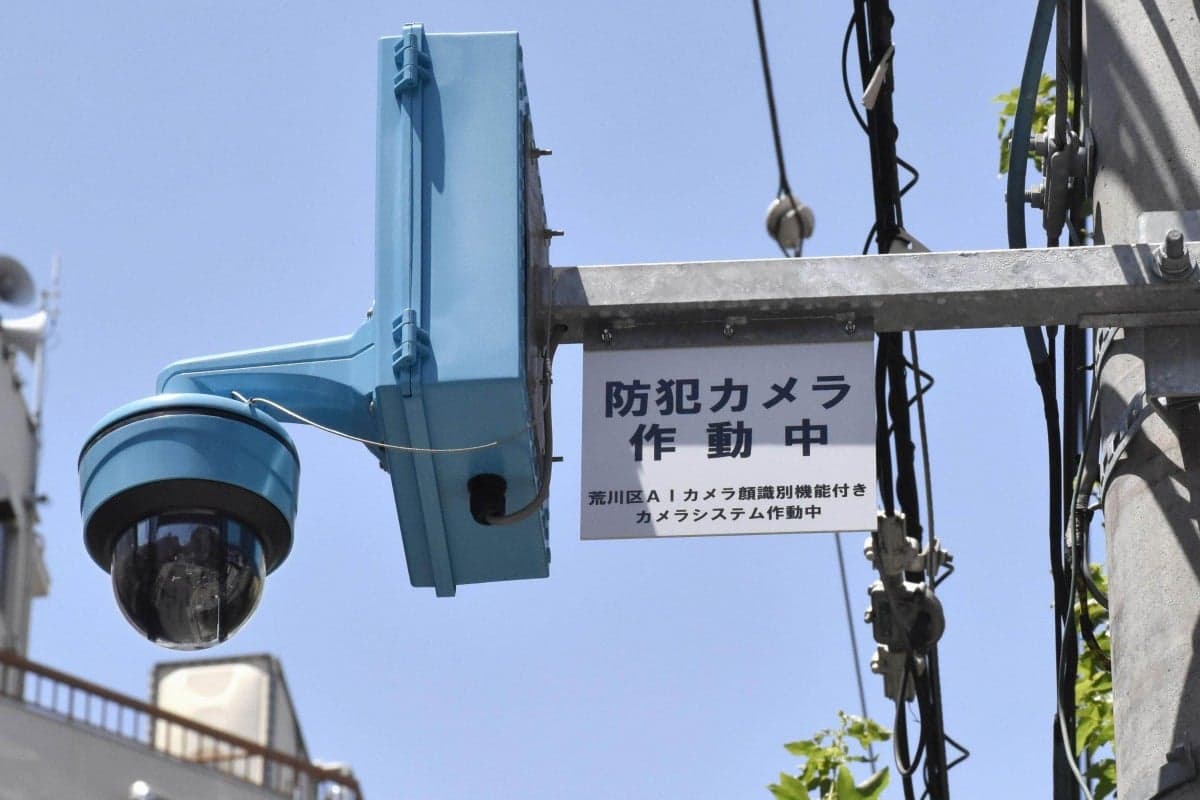
Tokyo Tests AI Cameras for Missing Person Searches
A Tokyo municipal government has become the first in Japan to deploy outdoor artificial intelligence cameras with facial recognition capabilities, installing 33 units in a busy commercial district to help locate missing children and elderly residents with dementia.
Arakawa ward positioned the AI-equipped security cameras on pylons along main streets and areas surrounding JR Nippori Station in April. The station area sees heavy foot traffic from commuters, students, and foreign residents, making it a logical testing ground for the technology.
The system works by allowing family members to submit a photograph when someone goes missing. The AI then analyzes recorded footage to identify individuals who closely match the provided image, potentially accelerating search efforts that currently rely on manual review or traditional methods.
Addressing a Persistent Challenge
Police stations in Arakawa ward handle approximately 100 reports annually of missing children and elderly people with dementia. The volume reflects a broader challenge facing Japan's aging society, where dementia cases continue to rise alongside the country's elderly population.
By automating the initial search process, ward officials aim to reduce the time between a person going missing and their location being identified. Traditional searches often require officers to review hours of surveillance footage manually or coordinate physical search parties across multiple locations.
Why It Matters
This deployment represents a significant test case for balancing public safety technology with privacy protections in Japan, a country that has historically been cautious about surveillance infrastructure. As municipalities worldwide grapple with similar demographic pressures—aging populations and resource-constrained public services—the Arakawa trial could influence how other governments approach AI-assisted public safety measures. The outcome will likely shape regulatory frameworks and public acceptance of facial recognition technology in civic applications across Asia.
Privacy Concerns Emerge
The installation has prompted privacy questions in a country where public surveillance remains relatively limited compared to other developed nations. While the ward positions the system as a targeted tool for vulnerable populations, the cameras continuously record public spaces, creating a database of facial data from residents and visitors who have not gone missing.
The trial's structure—requiring family consent and photograph submission before searches begin—attempts to address some concerns by limiting active facial recognition to specific cases rather than continuous monitoring of all passersby.
Arakawa ward's belief that this represents Japan's first outdoor municipal deployment of AI facial recognition cameras underscores how novel the approach remains in the Japanese context, even as similar technologies have seen broader adoption in countries like China and the United Kingdom.
These details were first reported by the South China Morning Post.
This is an original analysis by the Omega editorial team. Source reporting: AI Watch.
Want systems like this working for your business?
Book a Call
