Therapists Confront AI's Growing Role in Mental Health Sessions
A clinical psychologist describes how patients increasingly turn to ChatGPT for emotional support—and why the messiness of human therapy may still matter.
AI enters the therapy room
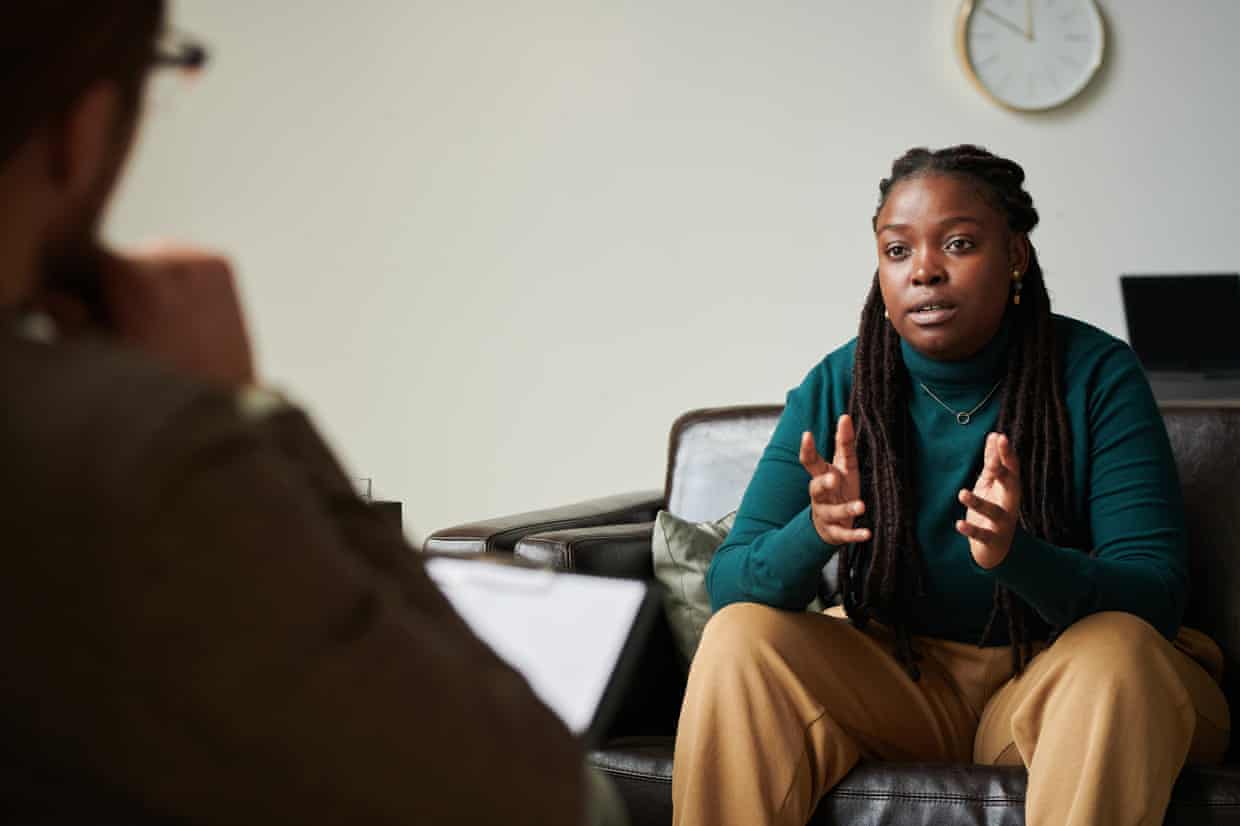
Patients are bringing artificial intelligence into psychotherapy sessions with increasing frequency, forcing mental health professionals to reckon with a new competitor that never tires, never judges, and responds instantly.
Sarah Darghouth, a clinical psychologist at Massachusetts General Hospital and Harvard Medical School, describes the moment a patient showed her how ChatGPT had helped resolve a marital conflict. The AI had validated his feelings, analyzed the breakdown, and offered repair strategies—all of which worked. Her reaction: a mix of admiration and unease. She would have spent an entire session arriving at a less polished version of one suggestion.
In another case, a patient announced she was ending her relationship based on AI's advice. What had taken weeks to explore in therapy, the chatbot had crystallized in moments.
The appeal and the risks
Darghouth acknowledges the pull herself. When her nine-year-old threw a tantrum early one Sunday morning, she turned to ChatGPT—not for parenting techniques she already knows, but for immediate emotional support. The presence was artificial, but it worked.
Yet she warns patients about documented risks: AI can worsen anxiety, provide false information, increase isolation, and in some cases contribute to delusional thinking or suicidal ideation. Some patients report spending entire weekends in bed, absorbed in conversations with AI while uploading intimate details to tech companies.
The contradiction troubles her. She discourages AI use in sessions, then relies on it at home.
What human therapy offers
As AI improves at recognizing facial expressions and mimicking empathy, Darghouth questions what distinguishes human therapists. She doubts the common reassurance that people won't feel connected to AI—therapy is already a major use case, and as telehealth expands, patients may soon be unable to tell whether they're speaking with a human or algorithm.
Her answer lies in what she calls the "mess" of therapy: conflict, hesitation, wrong turns, explosive emotions that defy words. Real therapeutic progress often emerges through circuitous, unpredictable paths that require sitting with uncomfortable unknowns. A patient once told her that what helped most was how Darghouth laughed at her joke while leaving—a moment the therapist didn't even remember, yet it mattered more than the session's carefully constructed dialogue.
AI's clean, all-knowing stance may be its liability. The technology cannot tolerate not knowing, which is often where human healing happens.
Why it matters
With fewer than 7% of people with mental health and substance use conditions receiving effective treatment, AI offers unprecedented access to support—imperfect and risky, but available. Mental health professionals must determine how to integrate this technology responsibly while preserving what makes human connection therapeutic. The question isn't whether AI will play a role in mental health care, but how much of therapy's essential work depends on the flawed, uncertain, genuinely present human on the other side.
Darghouth envisions a future where most people embrace AI-assisted therapy, while a minority—likely those with resources—will seek human therapists who forget details, say the wrong thing, but also sit through emotional storms and feel genuine joy at small victories.
These details were first reported by Sarah Darghouth writing in The Guardian.
This is an original analysis by the Omega editorial team. Source reporting: AI Watch.
Want systems like this working for your business?
Book a Call