Texas Voters Oppose AI Data Centers as Water, Power Concerns Mount
A new University of Texas poll shows 56% of Texans reject data center construction in their communities, prompting state lawmakers to weigh economic benefits against infrastructure strain.
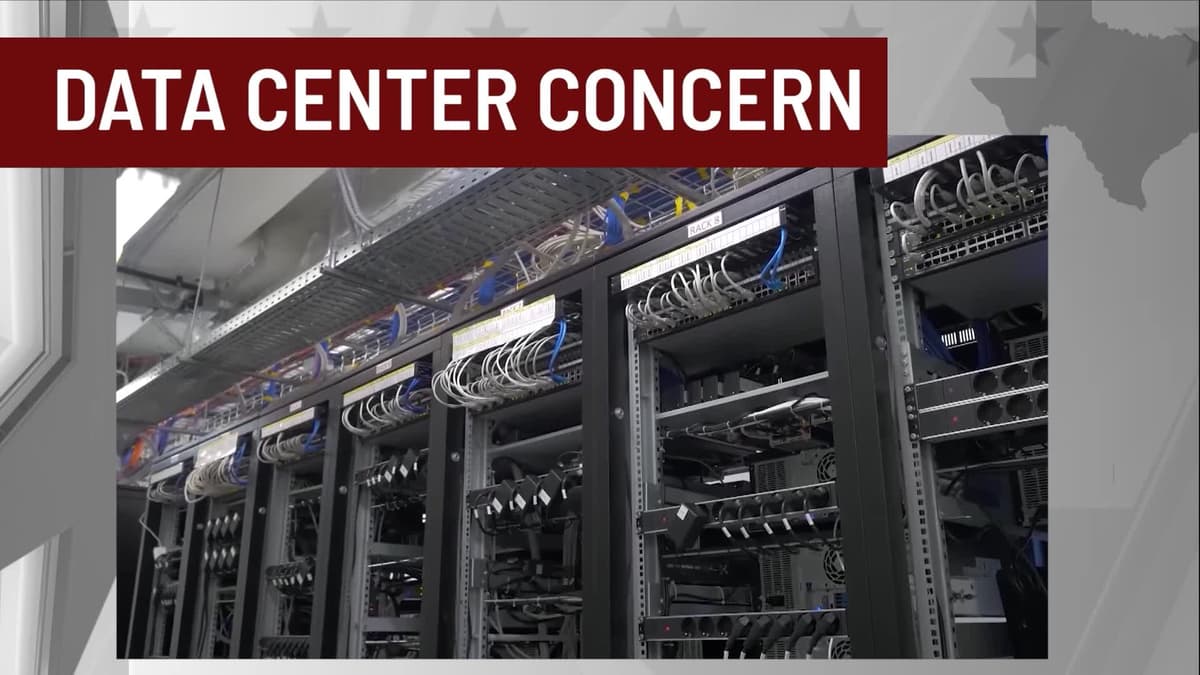
Growing resistance to data center expansion
More than half of Texas voters now oppose the construction of artificial intelligence data centers in their communities, according to a newly released poll from the Texas Politics Project at the University of Texas. The survey found 56% of Texans reject data center development, with opposition running highest in rural and suburban areas where construction is already underway or planned.
The findings, first reported by KXAN, surfaced during a Texas House Natural Resources Committee hearing this week where local officials and residents voiced concerns about the strain these facilities could place on the state's water supply and electrical grid. State Rep. Trent Ashby, a Republican from Lufkin, told the committee that constituent feedback on data centers is "overwhelmingly" negative, though he questioned how to balance local concerns against national security interests tied to AI development.
Why it matters
Texas has positioned itself as a hub for AI infrastructure investment, but the poll signals a potential political obstacle to rapid expansion. The tension between attracting high-tech economic development and protecting local resources could shape how the state regulates an industry critical to U.S. technological competitiveness. With data centers consuming massive amounts of electricity and water for cooling, the infrastructure debate has immediate implications for utility costs and resource availability across Texas communities.
Abbott sets new requirements
Governor Greg Abbott responded to voter concerns in an interview with NewsNation, outlining new expectations for data center operators. "Texans are going to be protected," Abbott said, specifying that data centers "must bring their own power," "must reuse their own water," and "must reduce electricity costs for residential customers as well as small business customers."
County-level leaders at the hearing asked state lawmakers to grant local governments greater authority to block or regulate data centers before construction begins. The request reflects a desire for more community control over projects that can significantly impact local infrastructure and resources.
Infrastructure strain drives opposition
AI data centers require substantial electricity to power servers and cooling systems, raising concerns about grid reliability in a state that experienced widespread power failures during Winter Storm Uri in 2021. Water usage for cooling operations adds another layer of concern, particularly in regions facing drought conditions or limited water supplies.
The debate over data centers represents a broader challenge for Texas as it seeks to maintain its business-friendly reputation while addressing constituent concerns about infrastructure capacity and environmental impact. Industry representatives at the hearing defended the economic benefits of data center investment, but the poll numbers suggest public skepticism may complicate future development plans.
The details were first reported by KXAN's State of Texas program.
This is an original analysis by the Omega editorial team. Source reporting: AI Watch.
Want systems like this working for your business?
Book a Call
