Texas Governor Seeks to Block AI Data Centers in Rural Areas
Greg Abbott proposes strict requirements and location bans as energy-hungry facilities face growing local opposition.
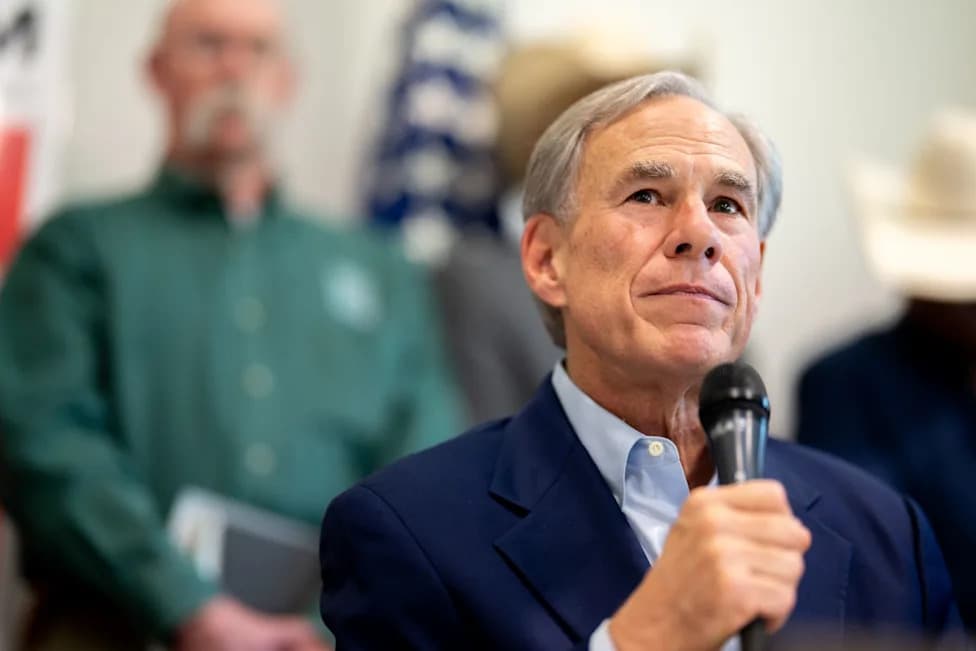
Texas Governor Greg Abbott has intensified his stance against AI data center expansion, calling for an outright prohibition on new facilities in rural communities across the state.
Speaking at a campaign event in Bullard on Tuesday, Abbott went beyond the regulatory framework he proposed earlier this month. He declared that rural Texas neighborhoods should be protected from the infrastructure demands and disruptions these massive computing facilities bring, according to reporting by The Texas Tribune.
New requirements for developers
Abbott outlined stringent conditions for any future AI data center projects in Texas. Developers would need to finance their own electrical generation capacity, cover all infrastructure costs, implement water reuse systems, and demonstrate that their operations would reduce electricity costs for state residents rather than increase them.
The governor's directive reflects mounting pressure as Texas confronts a surge of proposed data center construction. Analysis by the Tribune found that approximately half of planned facilities would be built in unincorporated areas—a dramatic shift from the current 12% located outside city limits.
Why it matters
The conflict over data centers highlights a fundamental tension in the AI economy. These facilities are critical infrastructure for artificial intelligence, cloud computing, and internet services, but they consume extraordinary amounts of electricity, land, and water. For communities hosting them, the tradeoffs include potential utility rate increases, water supply constraints, and air quality concerns—often with limited local economic benefit.
The political calculus is particularly complex in Texas. Many proposed sites sit in rural, Republican-leaning areas that supported President Trump and have historically welcomed business development. Recent polling from the University of Texas/Texas Politics Project shows nearly two-thirds of rural residents now oppose having a data center built nearby, forcing politicians like Abbott to recalibrate their positions.
Local resistance grows
Counties across Texas have explored moratoriums on data center construction, though developers have challenged these efforts legally. Cities possess stronger zoning authority, and San Marcos recently became the first Texas municipality to implement an outright ban on the facilities—a decision that may face pushback from state legislators.
The energy dimension adds another layer of complexity. While AI technologies can help utilities forecast demand, improve grid reliability, and integrate renewable energy sources more effectively, the servers that power AI systems require massive amounts of electricity and cooling water. This creates infrastructure strain and raises affordability concerns for residential customers.
Abbott's evolving position reflects broader questions about how states balance technology sector growth with community impacts and resource constraints. His requirement that developers "bring their own power" acknowledges that Texas's electrical grid cannot absorb unlimited new demand without consequences for existing users.
These details were first reported by The Texas Tribune.
This is an original analysis by the Omega editorial team. Source reporting: AI Watch.
Want systems like this working for your business?
Book a Call
