Texas Governor Calls for Ban on AI Data Centers in Rural Areas
Greg Abbott's reversal marks a sharp departure from his earlier push to make Texas the global AI infrastructure hub.
Governor Reverses Course on AI Infrastructure
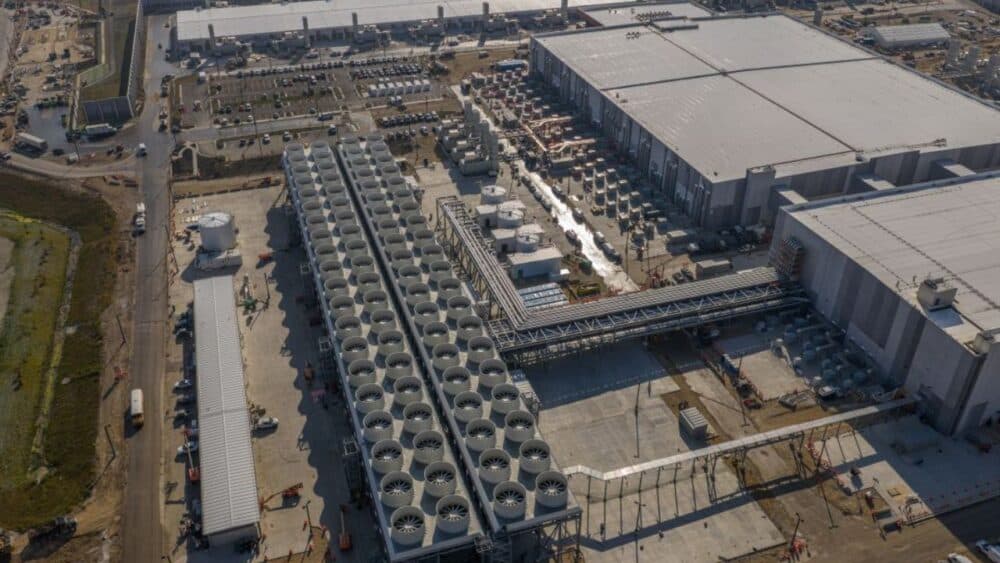
Texas Governor Greg Abbott has called for prohibiting new artificial intelligence data centers in rural neighborhoods and eliminating tax incentives for the industry, according to remarks first reported by Fox 4 KDFW. The proposal represents a significant policy shift from Abbott's previous efforts to establish Texas as a leading destination for AI infrastructure investment.
Speaking at a property tax event in Bullard, East Texas, Abbott outlined strict conditions for any future AI developments. "Any AI data center thinking about coming here, they have to bring their own money, bring their own power, use their own water, and do it in a way that reduces the cost of electricity for residents across our state," he said.
Why it matters
The governor's reversal reflects growing political pressure as rural communities push back against industrial-scale infrastructure projects. With Texas positioned to become the nation's largest AI data center market, Abbott's proposal could reshape how tech companies approach expansion in the state and influence similar debates in other regions facing data center development.
New Regulatory Framework Takes Shape
The ban proposal builds on a regulatory framework Abbott introduced in June requiring data centers to provide their own power generation and use closed-loop water systems. Under the expanded plan, projects would need to finance their own infrastructure without public subsidies and implement measures to reduce impacts on nearby residents.
Abbott specifically called for ending tax breaks currently available to data center developers, forcing companies to shoulder the full cost of their operations.
From Enthusiastic Support to Restriction
The governor's current stance contrasts sharply with his position late last year. When Google announced two new data centers in Haskell and Armstrong counties, Abbott celebrated the development, declaring that "Texas will be the centerpiece for AI data centers for Google in the entire world."
Texas has attracted substantial AI-related investment, with projections showing the state on track to lead the nation in AI data center development.
Community Opposition Drives Policy Change
Local resistance has intensified as large-scale facilities have been proposed across the state. Residents have voiced concerns about electricity demand, water consumption, noise pollution, and the limited permanent employment these facilities generate. Public meetings in Fort Worth, Wilmer, and other cities have drawn crowds urging officials to restrict new developments.
A June survey by the University of Texas' Texas Politics Project found 56% of Texans oppose data center construction in their communities, while only 29% support it.
Mark Jones, a political analyst at Rice University, characterized the issue as a classic not-in-my-backyard conflict. "Texans actually like the benefits of data centers in terms of ChatGPT and their ability to do things online," Jones said. "On the other hand, it is a not-in-my-backyard situation where they don't want a data center very close to them."
Legal and Legislative Path Forward
Some local governments have attempted to block data center construction, but county-level bans have faced legal challenges. The city of San Marcos is currently testing a municipal prohibition that other Texas communities are watching closely.
Jones expects Abbott to push lawmakers during the 2027 legislative session to grant counties greater authority over data center development agreements.
Details were first reported by Fox 4 KDFW.
This is an original analysis by the Omega editorial team. Source reporting: AI Watch.
Want systems like this working for your business?
Book a Call
