Teradyne Robotics Unveils AI Automation Platforms at Automate 2026
The semiconductor test equipment maker expands beyond chips into AI-driven manufacturing and logistics automation.
Teradyne expands automation strategy beyond semiconductor roots
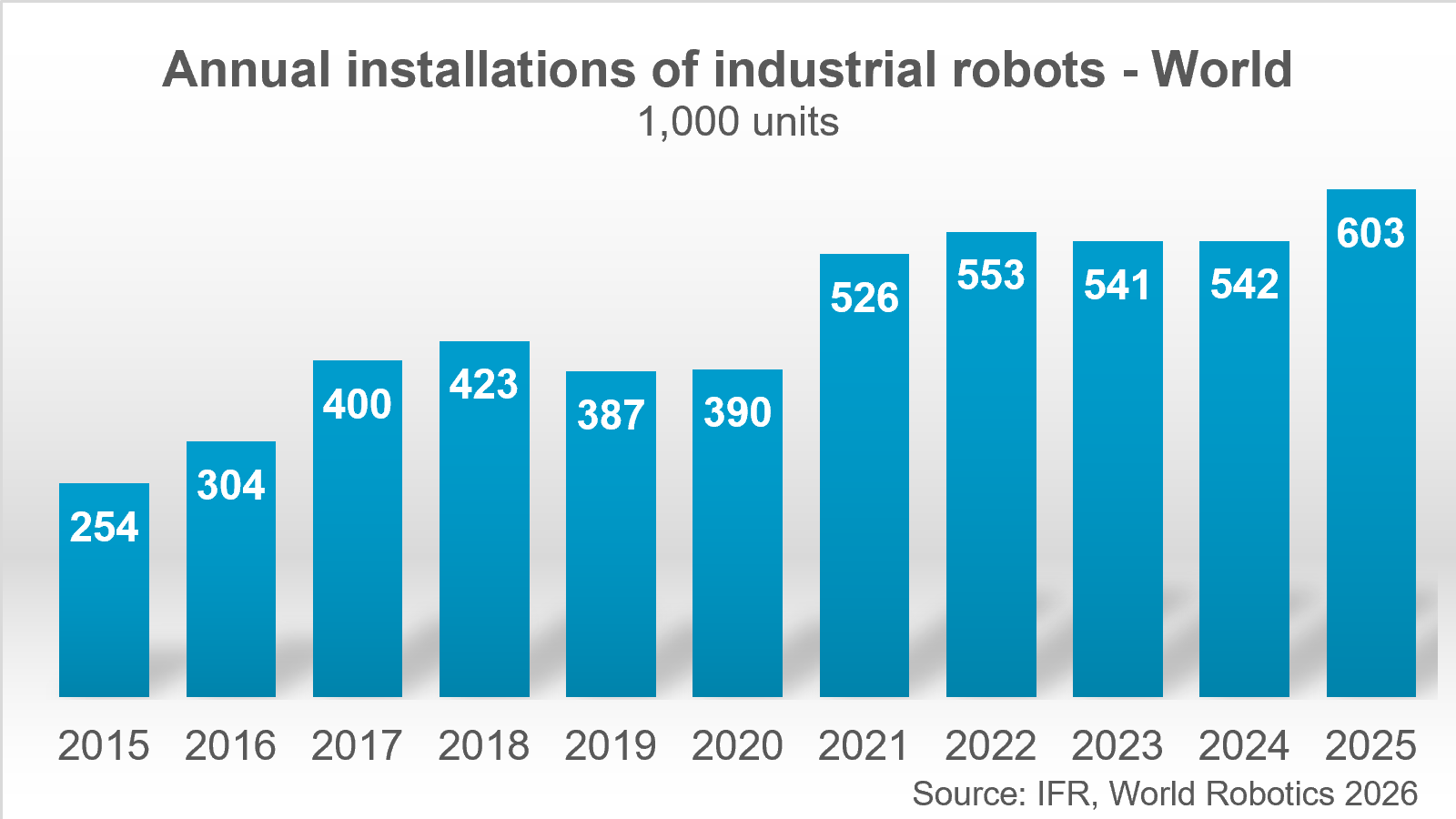
Teradyne Robotics introduced next-generation AI-driven automation platforms and software at Automate 2026, marking a strategic expansion for a company primarily known for semiconductor test equipment. The new offerings target complex manual tasks in manufacturing and logistics through deployable physical AI software and robotic applications.
The launch positions Teradyne at the convergence of robotics, artificial intelligence, and industrial automation—sectors where manufacturers and logistics operators are actively seeking efficiency gains and operational flexibility. For investors accustomed to viewing Teradyne through the lens of chip testing, the move signals a deliberate effort to build a broader automation business alongside its core semiconductor operations.
Why it matters
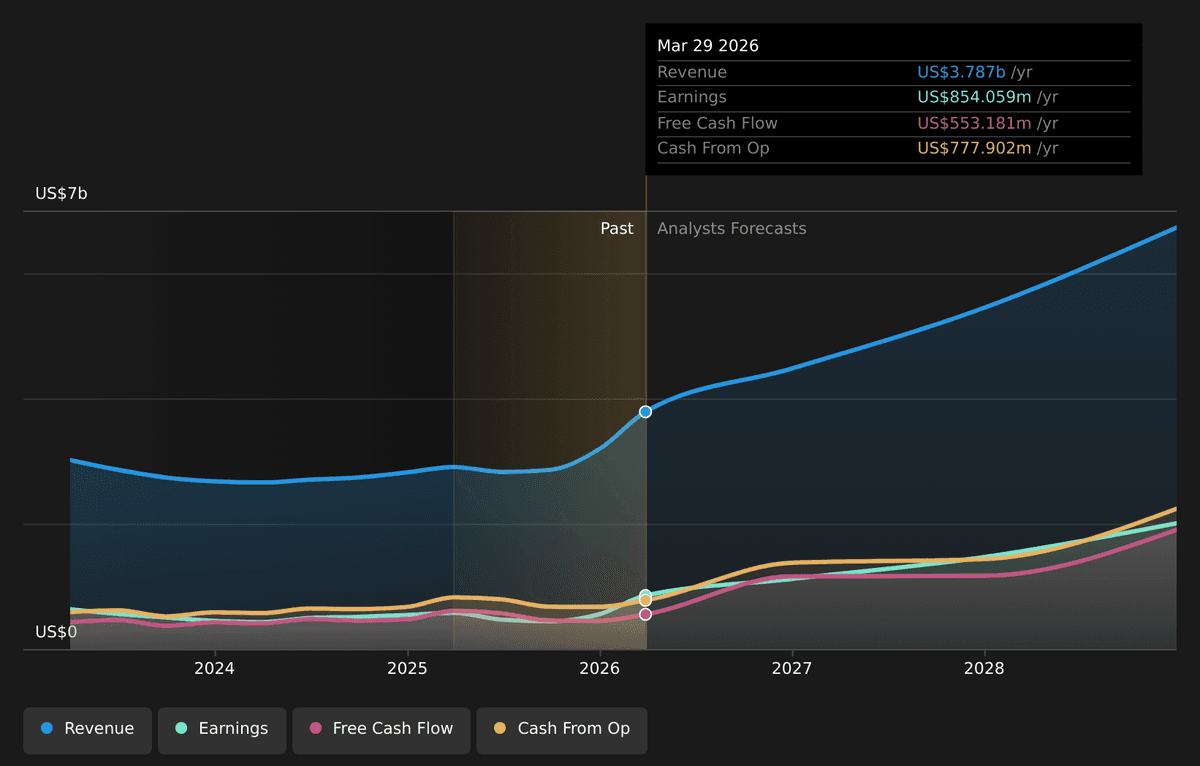
This expansion creates a new revenue pathway that extends Teradyne's AI exposure from chip production into how AI systems are assembled, handled, and deployed in factories and warehouses. The company now competes directly with established industrial automation suppliers including ABB, Fanuc, and Siemens in markets where deployment reliability and lifecycle support typically determine contract winners. Success here could reduce Teradyne's dependence on semiconductor cycle volatility while creating cross-selling opportunities with existing chip test customers.
Competitive positioning in crowded automation markets
Teradyne Robotics enters markets already served by large, established automation providers. The company's differentiation will likely center on AI-specific capabilities and potential integration advantages for electronics manufacturers that already use Teradyne's semiconductor test equipment. Management has previously acknowledged softer robotics revenue, making adoption velocity for these new platforms a critical metric for validating the strategy.
The platforms specifically address AI-related manufacturing and logistics workflows, positioning Teradyne to serve customers building and deploying AI infrastructure. This creates potential synergies with the company's semiconductor test business, which already serves AI chip manufacturers.
Execution risks and monitoring points
Investors face two primary risk considerations. First, Teradyne must convert trade show interest into volume production orders in competitive markets. Second, the strategy increases the company's overall exposure to AI-oriented capital spending across both test and robotics segments, creating vulnerability if AI infrastructure budgets contract or factory automation projects slow.
Key indicators of traction will include named customer deployments, production-scale implementations, and management commentary on robotics order activity in future earnings updates. Investors should monitor whether Teradyne appears in major factory or warehouse automation programs linked to AI data centers or electronics assembly operations. The balance between semiconductor test and robotics in the company's AI narrative will signal whether robotics evolves from secondary contributor to material revenue driver.
These details were first reported by Simply Wall St.
This is an original analysis by the Omega editorial team. Source reporting: Automation Watch.
Want systems like this working for your business?
Book a Call