Teen Charged After AI Used to Create Explicit Images of Minors
Knightdale Police secure custody order in case involving manipulated photos of Wake County students.
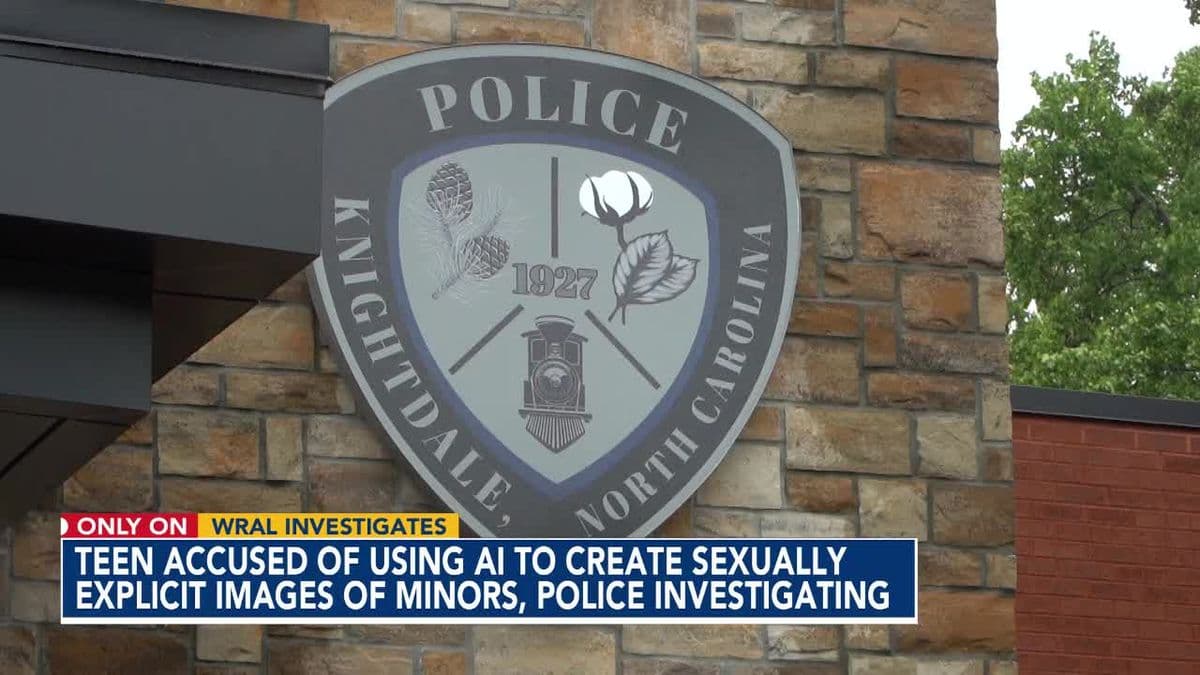
Teen faces multiple charges in AI manipulation case
A juvenile in Knightdale, North Carolina, is facing multiple charges of sexual exploitation of a minor after allegedly using artificial intelligence to create sexually explicit images of girls in Wake County. Police secured a custody order for the teen on June 18, 2026.
The case came to light over the summer when several parents contacted local authorities after their daughters discovered that non-explicit photos—taken from social media and other sources—had allegedly been manipulated using AI tools to depict them in sexually explicit situations. The number of potential victims remains unclear as the investigation continues.
How the alleged scheme worked
According to parents who spoke with WRAL, the suspect allegedly collected ordinary photos of girls from various online sources, including social media platforms. These images were then processed through AI software to generate explicit content without the subjects' knowledge or consent.
One Wake County parent, who requested anonymity, told WRAL that her daughter's photo had been manipulated by the suspect, though not in a manner that resulted in criminal charges in her case. She described the situation as "traumatizing" for the young victims, noting that many are now worried about who might have seen the manipulated images.
The female victims were students in the Wake County Public School System, according to parents connected to the investigation. A school district spokesperson confirmed they do not have a student enrolled under the suspect's name but declined to answer questions about communications with parents or safeguards for affected students.
Why it matters
This case highlights a growing threat that AI technology poses to minors: the ability to create convincing explicit imagery from innocent photos without physical contact or traditional exploitation methods. North Carolina law currently treats AI-generated child sexual abuse material the same as real photographs, but the technology's accessibility and sophistication create new challenges for law enforcement in detection, attribution, and prevention. As AI image manipulation tools become more widely available, cases like this may become more common, forcing schools, parents, and lawmakers to confront digital exploitation risks that didn't exist a generation ago.
Legal framework addresses AI-generated content
North Carolina's child pornography statutes do not distinguish between authentic photographs and images created through artificial intelligence, meaning AI-generated explicit content involving minors carries the same legal weight as traditional child sexual abuse material. This legal framework allows prosecutors to pursue charges even when no actual explicit photography of the victims occurred.
A Knightdale Police Department spokesperson emphasized that the investigation remains active and ongoing. Due to North Carolina laws protecting juvenile victims and offenders, authorities will not release additional information about the identities of those involved or other case details.
"The Knightdale Police Department remains committed to protecting children, thoroughly investigating crimes, and holding offenders accountable under the law," the spokesperson said.
Details of this case were first reported by WRAL News.
This is an original analysis by the Omega editorial team. Source reporting: AI Watch.
Want systems like this working for your business?
Book a Call