Superhuman Acquires AI Detection Startup GPTZero
The Princeton-born company reached 19 million users and $30M ARR before the deal with the Grammarly-owned email platform.
Superhuman Acquires AI Detection Startup GPTZero
Superhuman has acquired GPTZero, the AI detection company that began as a Princeton senior thesis project three years ago, the companies announced Tuesday. Financial terms were not disclosed.
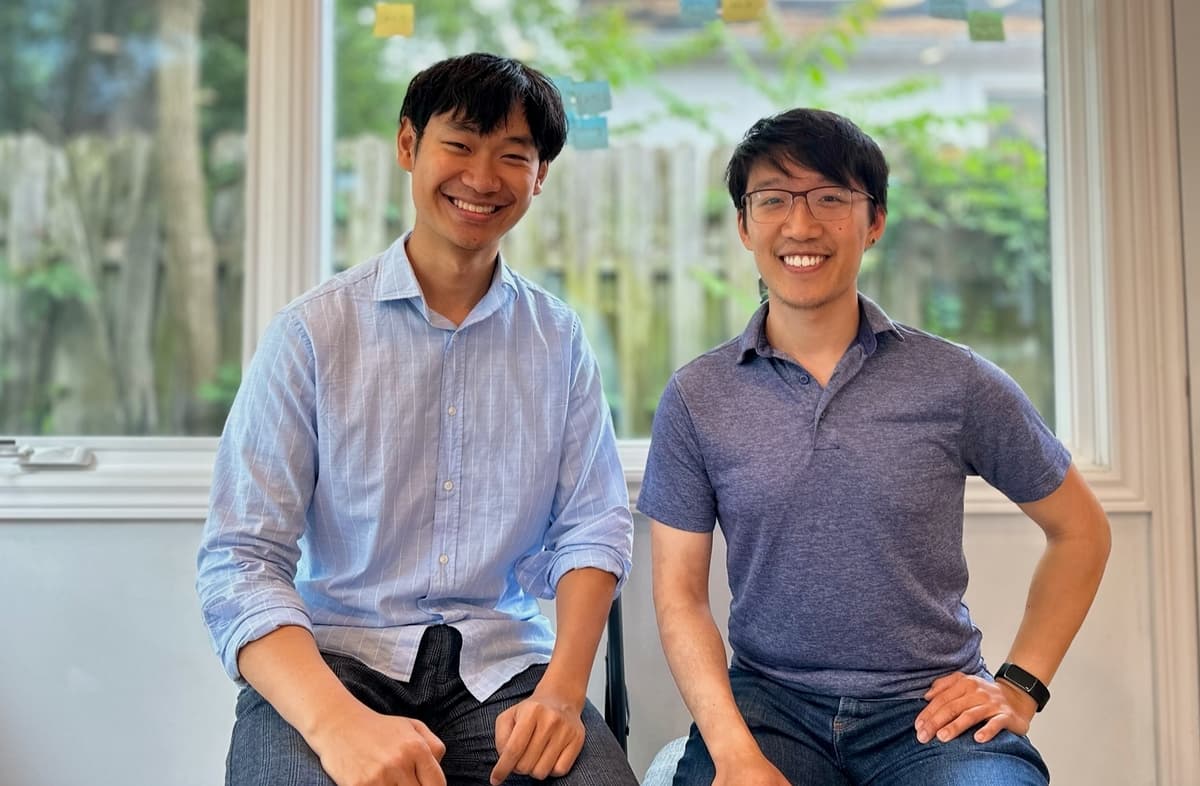
GPTZero founder Edward Tian told Business Insider the startup had grown to more than 19 million registered users and was generating $30 million in annual recurring revenue at the time of acquisition. The company had achieved profitability as of 2024, according to statements Tian made to TechCrunch that year.
Tian and co-founder Alex Cui, friends since high school, built the business on relatively modest funding. The company raised a $3.5 million seed round led by Uncork Capital, followed by a $10 million Series A in June 2024 led by Footwork co-founder Nikhil Basu Trivedi. Additional investors included Reach Capital, Jack Altman's Alt Capital, and Neo, bringing total capital raised to $13.5 million.
Why it matters
The acquisition highlights the growing commercial value of AI detection technology as organizations struggle to manage synthetic content. GPTZero's ability to reach $30 million in ARR on minimal venture funding demonstrates strong product-market fit in education and enterprise markets. For Superhuman—the entity formed when Grammarly acquired email provider Superhuman and adopted its name—the deal consolidates two distinct approaches to AI detection under one roof.
Complementary detection approaches
Superhuman already operated its own AI detection tool before the acquisition. However, the two products serve different purposes. GPTZero's mission centers on helping users detect and defend against AI-generated content, what the company calls "AI slop." Grammarly's existing tool takes a different angle, helping users—particularly students—identify when their writing might appear AI-generated and revise it to read more authentically human.
When asked about acquiring what appears to be a competing product, Superhuman stated that "two AI detectors are better than one," suggesting the company plans to maintain both capabilities rather than consolidate them into a single tool.
From thesis project to exit
GPTZero's trajectory from academic project to acquisition target reflects the rapid commercialization of AI detection technology. Tian built the initial version as part of his senior thesis at Princeton, launching at a moment when ChatGPT and similar tools were creating widespread concern about synthetic content in educational settings.
The startup's capital efficiency stands out in an era of heavily-funded AI companies. Building a business with 19 million users and $30 million in recurring revenue on $13.5 million in funding represents a roughly 2.2x revenue-to-capital-raised ratio—unusual in today's venture landscape.
Details of the acquisition were first reported by Business Insider and TechCrunch.
This is an original analysis by the Omega editorial team. Source reporting: AI Watch.
Want systems like this working for your business?
Book a Call