Super Micro Unveils AMD Helios Platform, $2B Asia Deal
Server maker expands rack-scale AI infrastructure with new AMD and Arm systems while securing major deployment contract with Gorilla Technology.
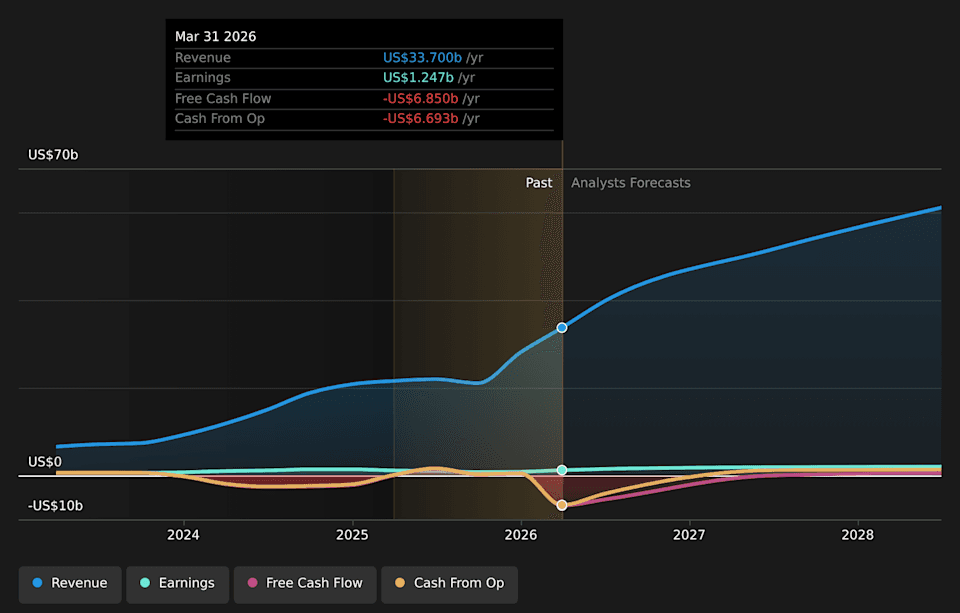
Super Micro Computer has expanded its AI infrastructure portfolio with two significant announcements: a new AMD-based rack-scale platform and a $2 billion supply agreement targeting Asia-Pacific markets.
The company unveiled its AMD Helios rack-scale AI platform, designed specifically for hyperscale AI deployments, sovereign AI initiatives, and large language model infrastructure. Alongside Helios, Super Micro introduced servers powered by Arm AGI CPUs, optimized for what the company describes as dense, power-efficient agentic AI workloads.
The hardware launches coincide with a $2 billion AI infrastructure deal Super Micro signed with Gorilla Technology. The agreement focuses on projects across India and the broader Asia-Pacific region, marking a notable geographic expansion for the server manufacturer's AI business.
Why it matters
These moves signal Super Micro's strategy to position itself as a provider of complete AI infrastructure rather than individual server components. The combination of GPU-heavy training systems and CPU-optimized agentic AI servers addresses different computational needs within large AI deployments. For enterprises and cloud providers building AI factories, this approach could reduce integration complexity and deployment timelines.
The $2 billion Gorilla Technology deal also highlights both opportunity and risk. While it demonstrates Super Micro's ability to secure large-scale contracts in growing markets like India's sovereign AI programs, it also increases the company's exposure to concentrated customer relationships—a factor investors in the AI hardware space have been monitoring closely.
Rack-scale architecture for faster deployment
Super Micro's Helios platform fits into the company's Data Center Building Block Solutions framework, which aims to accelerate the deployment of hundreds or thousands of accelerators. The rack-scale design provides blueprints for integrated systems rather than requiring customers to assemble individual components.
The new Arm AGI CPU servers target a different segment of AI infrastructure: agentic AI workloads that require high-density compute with lower power consumption than GPU clusters. This dual approach—covering both training infrastructure and inference/agent workloads—reflects the evolving architecture of production AI systems.
Asia-Pacific expansion
The Gorilla Technology partnership extends Super Micro's footprint into markets where national AI initiatives and sovereign compute programs are accelerating infrastructure investment. India in particular has announced significant commitments to domestic AI capabilities, creating demand for turnkey data center solutions.
For technology leaders evaluating AI infrastructure vendors, these developments indicate Super Micro's positioning beyond its traditional high-performance computing customer base into large-scale, integrated AI deployments.
These details were first reported by AI Watch.
This is an original analysis by the Omega editorial team. Source reporting: AI Watch.
Want systems like this working for your business?
Book a Call