States Push AI Regulation Despite Trump Executive Order
Lawmakers in both parties advance targeted bills on chatbots, employment systems, and developer accountability as federal action stalls.
States advance AI laws as federal government remains gridlocked
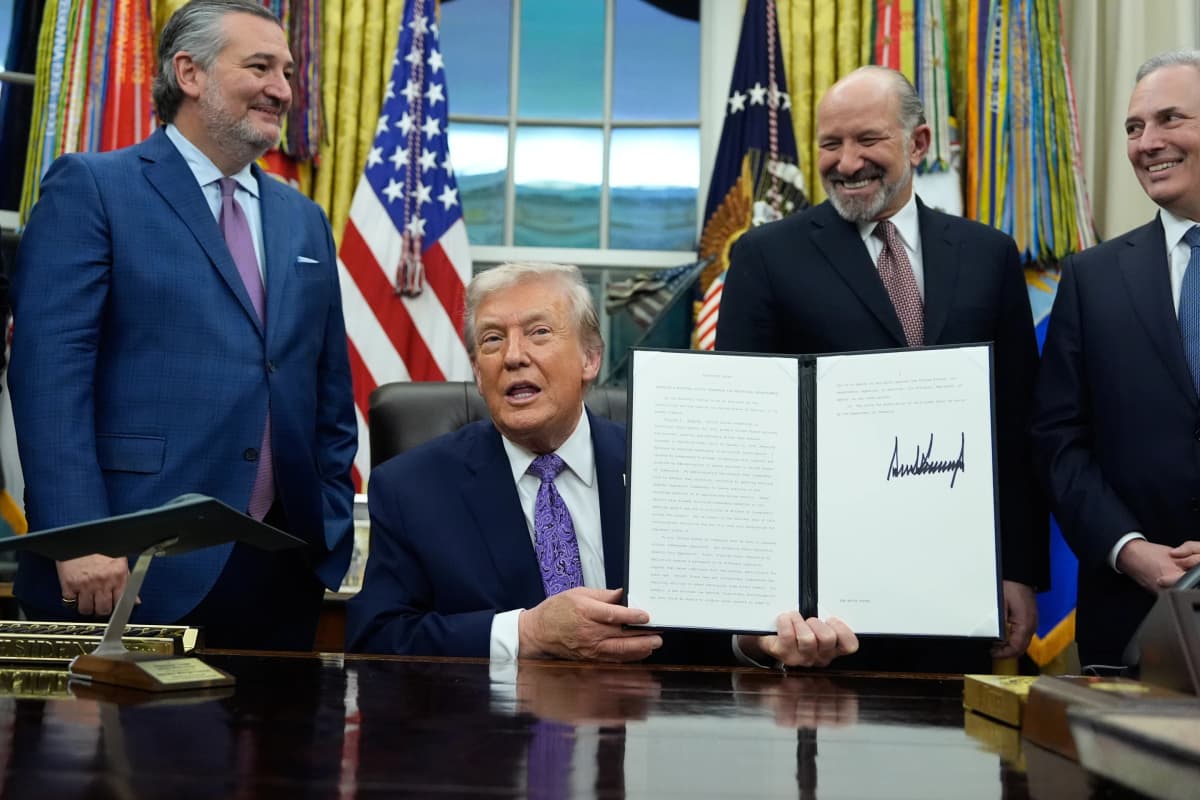
Six months after President Donald Trump issued an executive order warning states against regulating artificial intelligence, lawmakers across the country are moving forward with targeted legislation anyway. State bills addressing AI chatbots, employment systems, and developer safety protocols are advancing through legislatures in both Republican and Democratic states, according to reporting by the Associated Press.
Congress has failed to produce federal AI regulation, leaving states to fill the vacuum. The current wave of state legislation represents a shift from earlier, broader regulatory attempts that governors rejected as too burdensome for the industry. Now lawmakers are focusing on specific use cases where Americans encounter AI systems, often without knowing it.
Why it matters
The clash between federal preemption and state action will shape how AI systems are governed in the United States. With trillions of dollars in AI investment at stake and no federal framework in place, the patchwork of state laws emerging now could become the de facto regulatory standard—or trigger legal battles that stall oversight entirely. For businesses deploying AI systems, the regulatory landscape is becoming more complex, not less.
Trump's executive order hasn't stopped state action
Trump's executive order directed the attorney general to challenge state AI laws deemed more than "minimally burdensome" and threatened to withhold federal grant funding from states with problematic regulations. The administration said it would not target laws preventing fraud or protecting consumers and children.
The White House has not yet taken legal action against any state AI law or withheld funding, according to the AP. Meanwhile, more AI bills have been introduced this year than last, including by Republican lawmakers, according to Justine Gluck, policy director of the Future of Privacy Forum.
Illinois leads on developer accountability
Legislation awaiting signature by Illinois Governor JB Pritzker would require developers of large AI models to create protocols preventing catastrophic outcomes like biological weapons attacks, power outages, or large-scale hacks. The bill goes further than similar California and New York laws by mandating independent auditors review whether developers comply with their own safety policies.
The bill passed with near-unanimous support from both parties. State Senator Mary Edly-Allen, the Democratic sponsor, dismissed Trump's warnings: "I don't know if you've met Illinois, but we're pretty independent."
Chatbot restrictions spread across states
Multiple states including Colorado, Connecticut, Idaho, Iowa, Nebraska, and Oregon have passed laws this year restricting how AI chatbots interact with users, particularly children. Common provisions require companies to disclose when users are interacting with AI rather than humans, restrict chatbot interactions with minors, give parents control over children's access, and protect data privacy.
Connecticut recently enacted specific rules for companion chatbots that maintain ongoing relationships with users. These chatbots cannot interact with anyone under 18 unless programmed to discourage self-destructive behavior and provide parental management tools.
Employment and transparency requirements
Colorado now requires companies using AI systems in employment, education, housing, or banking to inform people when AI influences decisions about them. Connecticut mandates that employers tell workers and job applicants when they're interacting with employment-related AI systems.
California lawmakers are advancing legislation to prohibit employers from using AI alone to fire or discipline workers, along with expanded chatbot regulations including bans on using children's chatbot interactions for advertising.
Some Republican states hold back
Florida's House refused to advance Governor Ron DeSantis's AI "Bill of Rights" legislation after House Speaker Daniel Perez cited Trump's position that federal government should control AI regulation. DeSantis criticized the federal inaction.
In Utah, progress stalled on legislation modeled after New York and California laws after the White House sent lawmakers a memo stating it was "categorically opposed" to the bill.
These details were first reported by the Associated Press.
This is an original analysis by the Omega editorial team. Source reporting: AI Watch.
Want systems like this working for your business?
Book a Call
