State Farm Lawyers Apologize for AI Hallucinations in Court Filings
A Los Angeles law firm representing the insurer submitted motions containing fabricated case citations, quotes, and legal holdings generated by artificial intelligence.
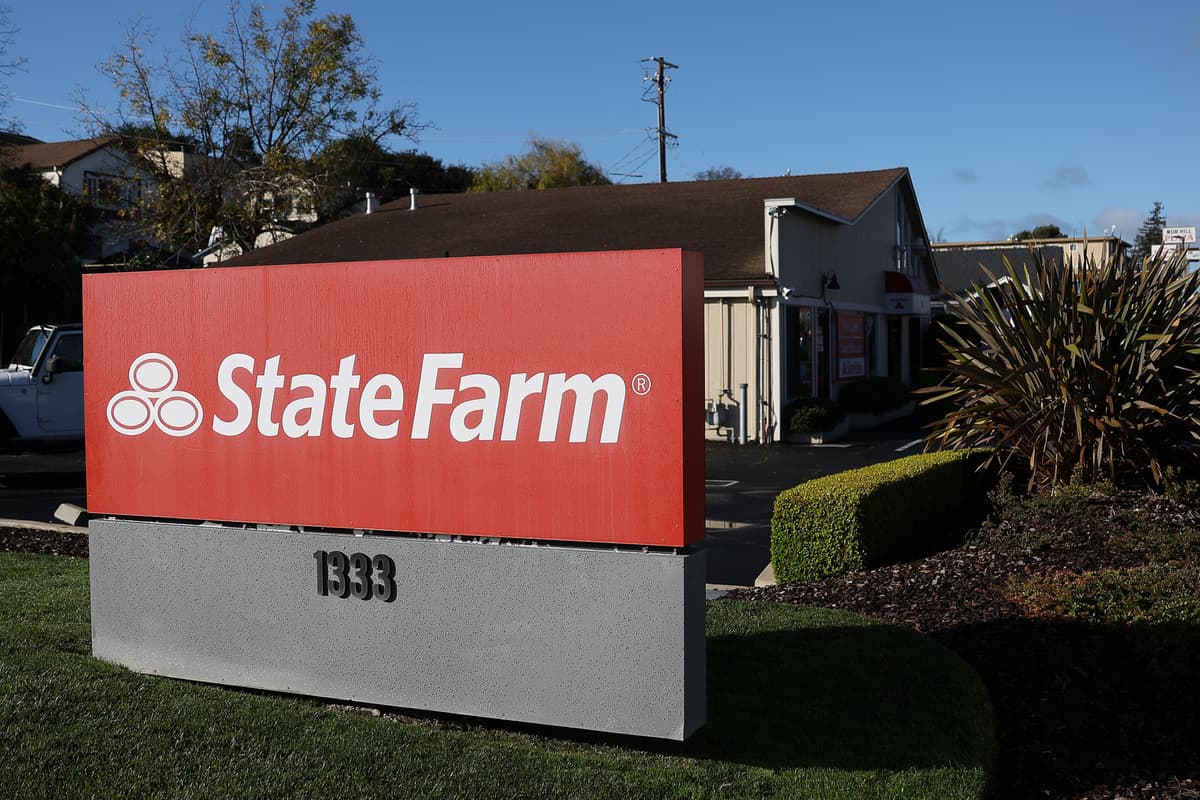
State Farm's External Counsel Admits to Filing AI-Generated Fabrications
Lawyers representing State Farm in a Los Angeles fire damage lawsuit have apologized to the court after submitting legal filings containing artificial intelligence hallucinations—fabricated case citations, nonexistent quotes, and invented legal holdings.
The errors came to light in a lawsuit filed by Fa'alagilagi Meni-Siliga, a U.S. Postal Service carrier who sued State Farm and others after a 2020 fire rendered her Carson home uninhabitable. According to court documents, her contractor's repair work was interrupted by storm damage, and subsequent delays left the home incomplete. Meni-Siliga and her husband ultimately lost the home to foreclosure after draining their savings and retirement accounts.
Eric Khodadian, representing Meni-Siliga, discovered the fabricated legal references in motions filed by the Los Angeles firm Musick, Peeler & Garrett. He presented his findings at an August 7 conference in Los Angeles Superior Court.
How the Fabrications Occurred
Jacquelene Robinson, the attorney who prepared the filings, acknowledged in court documents that seven case citations across eight filings "simply didn't exist." She also confirmed incorrect case titles and quotes that did not appear in the cases she cited.
Robinson explained that she used an AI tool called Irys, which she mistakenly believed was integrated with her firm's Westlaw legal research subscription and would perform internal citation checks. That assumption was incorrect.
Kenneth Katel, lead trial counsel for State Farm in the case, wrote that he was unaware AI had been used but accepted full responsibility for the filings. Katel told the court that Musick, Peeler & Garrett has updated its AI policy, though he did not provide specifics.
Why It Matters
The incident underscores the growing risks as law firms rapidly adopt generative AI without adequate safeguards. Recent surveys show 41% of law firms and 47% of corporate legal departments now use generative AI tools. A Paris-based legal researcher has documented 1,922 cases of legal hallucinations worldwide, most occurring in the United States. Last year, a California attorney was fined a record $10,000 for submitting a brief with 21 fabricated quotes out of 23. As corporations increasingly rely on external counsel, the State Farm case raises questions about whether companies are vetting law firms' AI policies before engagement—and whether existing professional standards are sufficient to prevent AI-generated errors from reaching the courts.
State Farm's Response
State Farm spokesperson Tom Hartmann said the company is reviewing the incident. "State Farm expects its external counsel to conform to the highest level of ethical standards and professionalism, including confirming the accuracy of all legal filings," he stated. The company did not respond to questions about how many external firms represent it or whether it inquires about AI policies during the hiring process.
Daniel Ho, a Stanford law professor who has researched legal AI hallucinations, noted that such errors have become more prevalent as adoption increases. In a paper Ho co-authored, researchers found that some companies "overstated" their legal research tools' ability to guarantee hallucination-free citations.
The Meni-Siliga case is scheduled for trial in October. CalMatters first reported the details of the AI hallucinations and court filings.
This is an original analysis by the Omega editorial team. Source reporting: AI Watch.
Want systems like this working for your business?
Book a Call