Starbucks Kills AI Inventory Tool Nine Months After Launch
NomadGo, the Redmond startup behind the failed system, was blindsided by the decision and forced into layoffs.
Starbucks abruptly terminated an AI-powered inventory management system in May 2026, just nine months after deploying it across all 11,300 company-operated stores in North America. The decision blindsided NomadGo, the Redmond, Washington startup that built the technology, according to a report from Fast Company.
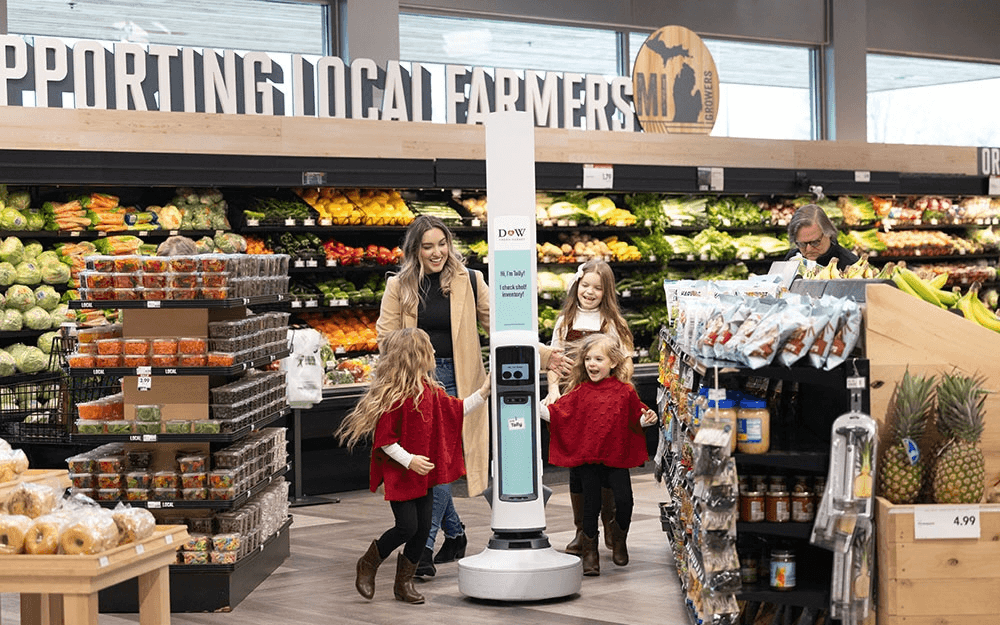
The tool, called Automated Counting, used iPad Pros equipped with computer vision and augmented reality to scan backroom shelves and automatically tally supplies including coffee bags, milk, and syrups. The system was designed to reduce a manual hour-long inventory task to 10-12 minutes, freeing baristas to focus on customer service.
Technical failures in real-world conditions
Despite achieving 99% accuracy in controlled testing, the technology struggled in actual store environments. Baristas reported widespread camera errors: shiny refrigerator surfaces caused the system to double-count milk, the app misidentified syrups and trash cans, and stores with poor Wi-Fi connectivity lost all counting progress mid-scan.
Fast Company's reporting identified two core problems. First, computer vision inherently requires retraining when inventory changes — a process that could take up to six weeks. NomadGo CEO David Greschler noted that developers sometimes only learned about seasonal items like holiday cups or limited-time packaging after products reached store shelves.
Second, Starbucks' backend infrastructure proved incompatible with cutting-edge AI. The company still relies on a legacy IBM AS/400 system from the 1990s, making it difficult to process real-time store data reliably.
Startup left scrambling after contract termination
Starbucks notified NomadGo of the cancellation on April 3. Greschler called the decision "a complete surprise," telling Fast Company that "there's nothing you can do when leadership and strategy change."
Within days, NomadGo laid off a significant portion of its 30-person workforce, including the technical team managing the Starbucks integration. On May 18, Starbucks formally instructed baristas to remove QR tracking codes from backroom shelves and return to manual counting.
A Starbucks spokesperson told GeekWire that the company has invested $500 million to add more employees to stores. "This tool was designed to simplify a routine task and give partners more time with their customers," the spokesperson said. "When it fell short, we listened to feedback and changed course."
Why it matters
The failure illustrates a persistent challenge in enterprise AI deployment: technologies that perform well in controlled environments often break down when confronted with the messy realities of legacy infrastructure and unpredictable operational conditions. For startups betting their business on a single large enterprise client, the risk of sudden strategic shifts remains acute — even when the technology itself works as designed in testing.
Starbucks continues pursuing other AI initiatives, including an AI-powered ordering companion in its mobile app and ChatGPT integration for personalized drink recommendations. The company also maintains Green Dot Assist, a generative AI assistant that helps baristas look up recipes and procedures.
The details of the failed deployment and NomadGo's response were first reported by Fast Company.
This is an original analysis by the Omega editorial team. Source reporting: AI Watch.
Want systems like this working for your business?
Book a Call