Spotify to Label AI-Generated Artists, Exclude Them From Recommendations
The streaming platform will identify AI personas with profile badges and keep their music out of editorial and algorithmic playlists starting next month.
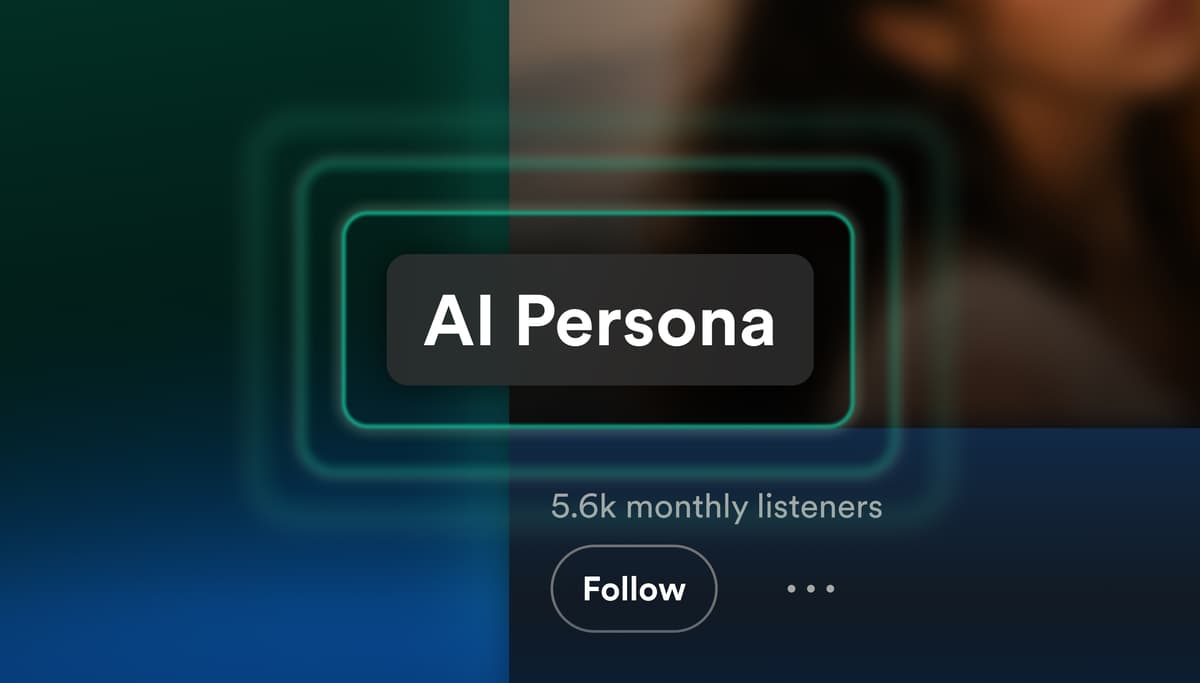
Spotify is drawing a clear line between human and AI-generated artists on its platform. The company announced Tuesday it will begin labeling AI-generated artist profiles with "AI Persona" badges and exclude their music from editorial and algorithmic recommendations.
Starting in mid-September, users will see these badges on artist profiles where the identity is AI-generated rather than representing a real person. The labels will appear prominently across the platform — on profile banners, in the About section, in search results, and on track rows in playlists.
How Spotify will identify AI personas
While artists can self-disclose their AI-generated status through Spotify for Artists beginning August 11, the company won't rely solely on voluntary disclosure. Spotify will actively review profiles to identify cases where an artist's name and imagery appear to represent photorealistic AI-generated identities.
The company plans to prioritize its review by starting with profiles that have reached pre-defined audience thresholds, ensuring the most-listened-to artists are covered first. Artists who believe they've been incorrectly labeled can appeal the designation.
Recommendation exclusion with one exception
By default, AI Persona music won't appear in Spotify's editorial playlists, algorithmic recommendations, or personalized suggestions. The sole exception: users who explicitly choose to follow an AI Persona will continue to receive recommendations from that artist. Since only users can initiate follows, this represents a clear opt-in signal.
Spotify emphasized that the AI Persona designation judges the artist's public identity, not how the music was made. "This badge is about the artist's public identity, not about how the music was made," the company stated. Information about production methods remains available through other features like AI Credits and SongDNA.
Why it matters
Spotify's move reflects the streaming industry's struggle to balance AI innovation with quality control. The platform has invested heavily in AI features like its AI DJ and Prompted Playlists, but faces the risk that AI-generated content could flood the service with low-quality material — what the industry calls "slop." By segregating AI personas from recommendations while still allowing them on the platform, Spotify attempts to preserve user experience without completely blocking AI experimentation. The policy also acknowledges growing consumer skepticism toward AI-generated art while preparing users to distinguish AI personas from the forthcoming AI remixes and covers enabled by recent licensing deals with UMG and Merlin.
In its announcement, Spotify acknowledged consumer sentiment, stating that "Spotify's programming is focused on elevating music from authentic artists building careers in music."
The labeling system expands Spotify's AI policies first introduced in September 2025, which already addressed unauthorized AI voice clones and deepfakes. In coming months, the company will add a user reporting tool for unlabeled AI Personas.
The details were first reported by TechCrunch.
This is an original analysis by the Omega editorial team. Source reporting: AI Watch.
Want systems like this working for your business?
Book a Call
