South Korea Proposes Sharing AI Chip Profits With Suppliers
Labour minister calls for tech giants like Samsung to distribute windfall gains across supply chains as inequality widens.
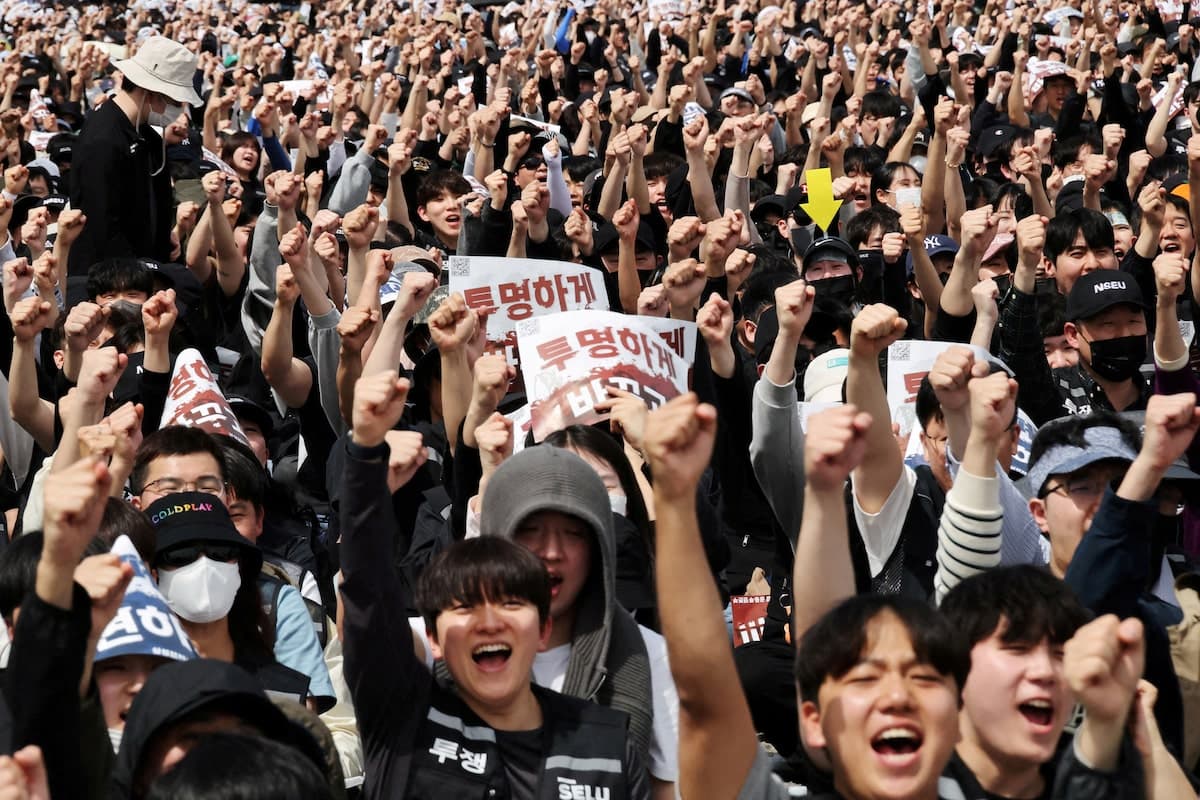
South Korea floats profit-sharing plan for AI boom
South Korea's labour minister is pushing major technology companies to share their surging profits from the artificial intelligence boom with suppliers and workers, warning that unchecked gains risk deepening economic inequality.
In his first interview with foreign media since helping broker a major labour deal at Samsung Electronics, Kim Young-hoon told Reuters that companies exceeding profit targets should consider distributing excess gains throughout their supply chains after taxes. The proposal targets firms like Samsung that have seen unprecedented earnings from AI-driven chip demand.
Kim, a former labour activist appointed by left-leaning President Lee Jae Myung, envisions a public dialogue involving government, businesses, unions and suppliers to establish new distribution frameworks. He argues that Samsung's success stems not only from internal efforts but from contributions by approximately 1,700 suppliers and local communities providing infrastructure.
Why it matters
The proposal reflects how policymakers in major tech-producing nations are grappling with the concentrated wealth generated by AI infrastructure buildout. South Korea's approach—emphasizing supply chain reinvestment over direct taxation—offers a distinct model as governments worldwide consider how to address AI-driven economic disruption. The outcome could influence labour negotiations and profit distribution practices across Asia's semiconductor industry.
Details of the distribution plan
Kim outlined several mechanisms for sharing profits, including adjusting supplier contract prices and investing in talent at smaller companies. Samsung has already agreed to special bonuses if it achieves over 200 trillion won ($129.3 billion) in annual operating profit between 2026 and 2028, according to Reuters.
The minister emphasized that his proposal represents supply chain reinvestment rather than state intervention, rejecting criticism from South Korea's conservative opposition People Power Party that labeled the idea "communism." He argued the approach would strengthen competitiveness and address low-growth challenges.
Government data shows South Korea's income gap between the bottom and top 20% of households widened by the most in six years during the first quarter, a trend Kim says threatens growth in Asia's fourth-largest economy.
Samsung deal sets precedent
Kim's intervention helped avert an 18-day strike at Samsung that could have significantly impacted South Korea's economy and stock markets. Both Samsung management and the union lacked negotiation experience, as the company had long maintained a no-union policy.
The minister acknowledged challenges remain, including internal discontent over pay gaps between Samsung's memory-chip and non-memory-chip divisions. He warned that short-term performance rewards must be balanced with long-term strategic talent investment to prevent worker defections.
Analysts suggest the Samsung deal may embolden unions at other companies demanding better compensation. Kim said he wants to establish frameworks for future negotiations rather than personally intervene in every dispute.
South Korea's presidential office welcomed the debate, while a high-ranking policymaker separately suggested paying citizens a "dividend" from excess AI tax revenue, Reuters reported. The presidential office did not respond to requests for comment on Kim's specific proposals.
These details were first reported by Reuters.
This is an original analysis by the Omega editorial team. Source reporting: AI Watch.
Want systems like this working for your business?
Book a Call
