South Korea Makes AI Free for All 52 Million Citizens
The first G20 nation to treat generative AI as public infrastructure deploys two-tier service with no usage caps or subscription fees through 2028.
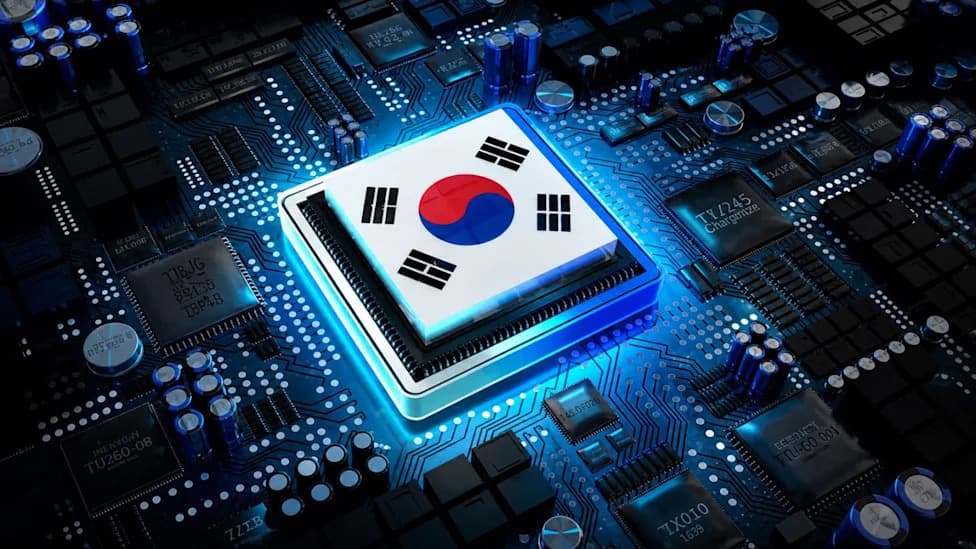
South Korea has eliminated the paywall separating its 52 million residents from generative AI services, becoming the first G20 nation to treat the technology as public infrastructure rather than a commercial product.
The deployment offers two distinct tiers at zero cost. The first provides general-purpose chatbot access to every resident. The second tier delivers a public-service agent capable of booking medical appointments, searching apartment listings, guiding small businesses through subsidy applications, and assisting with tax filings.
Access runs through channels Koreans already use daily: KakaoTalk, the messaging app with more than 45 million active users, plus phone calls, SMS, and web portals. SK Telecom's consortium specifically built phone and text interfaces for older citizens, while Kakao embedded AI directly into its messenger platform.
Why it matters
This isn't a pilot program or limited trial. South Korea is wiring AI access into national infrastructure the same way it deployed 100Mbps broadband in the early 2000s while other nations debated feasibility. The move forces a question other governments will struggle to answer: if one advanced economy can provide unlimited AI access as a public service, why should citizens elsewhere pay $20 monthly subscriptions for comparable tools?
Industrial strategy beneath the surface
Seoul's generosity masks calculated industrial policy. Government requirements mandate that more than 50 percent of the AI stack run on domestically developed models, with domestic companies controlling at least 30 percent more of the system architecture. Foreign models can only play supplementary roles, according to reporting from Asiae.
The government is distributing up to 512 Nvidia B200 GPUs — the same frontier hardware used by leading AI labs — across three operator consortia led by SK Telecom, KT, and Kakao. These operators, selected from six bidders, must match the public compute investment with private capital, the Korea Herald reported.
President Lee Jae-myung's administration committed approximately 10 trillion won, roughly $7.2 billion, to AI spending in 2026 alone — triple the previous year's budget. The free service is guaranteed through at least 2028.
Domestic policy documents describe the objective as creating "an era of one AI assistant per person."
Adoption versus accountability
More than 20 million Koreans already use free AI tools, so uptake isn't the challenge. The harder question involves liability when an AI chatbot provides incorrect healthcare booking information or gives a small business owner faulty tax guidance. Accountability frameworks for these inevitable failures remain underdeveloped.
If South Korea executes this infrastructure deployment successfully, every other developed nation will face constituent pressure to explain why their citizens still pay subscription fees for similar capabilities.
These details were first reported by the Wall Street Journal, with additional reporting from the Korea Herald and Asiae.
This is an original analysis by the Omega editorial team. Source reporting: AI Watch.
Want systems like this working for your business?
Book a Call
