Senators Push FTC to Probe Amazon, Walmart AI Bots Over U.S. Labels
Bipartisan letter cites research showing Alexa and Sparky chatbots may obscure American-made products while surfacing foreign alternatives.
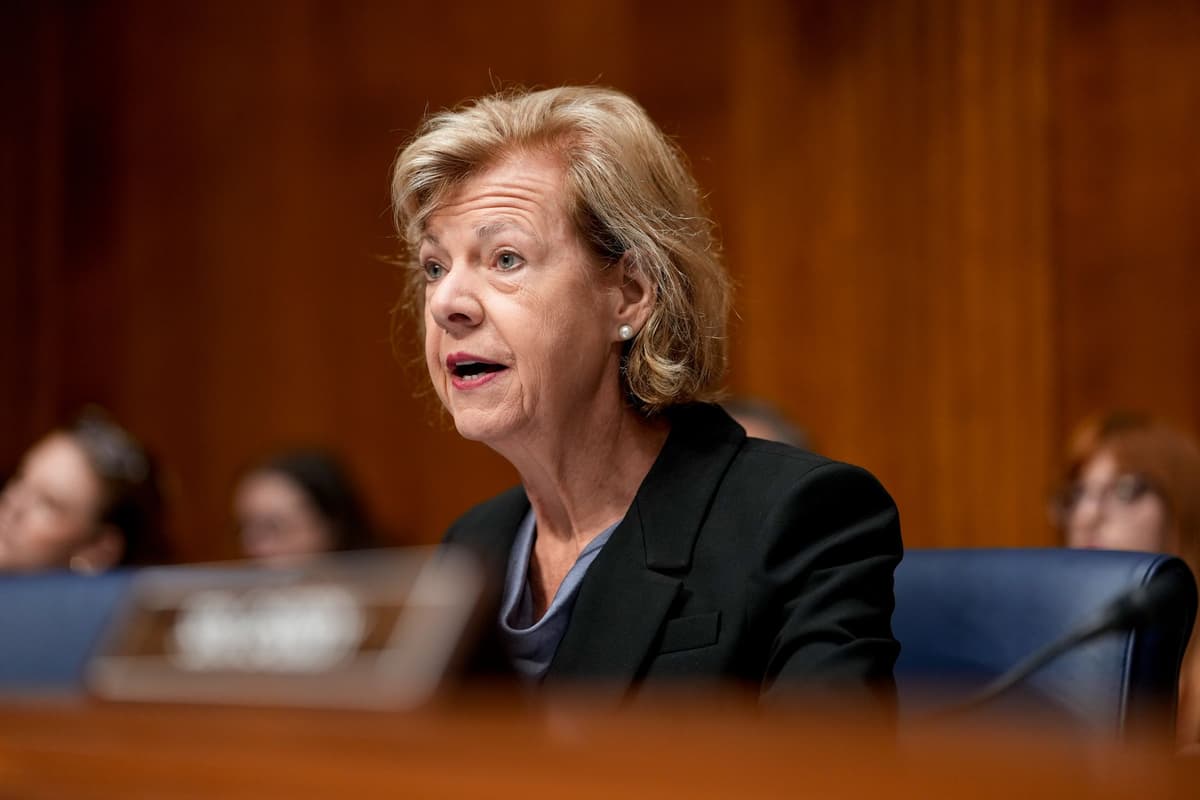
Two U.S. senators are pressing the Federal Trade Commission to investigate whether Amazon and Walmart's AI-powered shopping assistants are undermining American manufacturers by obscuring information about products made in the United States.
Sen. Tammy Baldwin (D-Wis.) and Sen. Rick Scott (R-Fla.) sent a bipartisan letter to FTC Chairman Andrew Ferguson and Commissioner Mark Meador requesting an investigation into how Amazon's Alexa for Shopping and Walmart's Sparky chatbot handle "Made in the USA" claims. The senators asked the agency to consider enforcement action following its review.
Research reveals inconsistent responses
The letter draws on a July report from Columbia University's Center for Law and the Economy, which tested both retailers' AI shopping tools and found troubling patterns. When researchers asked Amazon's Alexa for American-made products, the bot declined to surface domestic options. Yet when they rephrased the same queries slightly, Alexa returned results with U.S.-made labels.
Walmart's Sparky initially told users that verifying "Made in USA" claims fell outside its capabilities. After further prompting, however, the chatbot sorted products by how credible their domestic-origin labels appeared and later admitted its first response had been "overly cautious."
The Columbia study also found both AI assistants could identify false "Made in USA" labels but were not using that capability to flag or remove misleading listings. When researchers asked why Amazon had not acted on false labeling, Alexa cited business considerations, stating the company would need to face "a financial, regulatory, or reputational cost" before taking action. Sparky responded that the FTC typically enforces labeling rules against manufacturers rather than retailers.
Why it matters
As AI shopping assistants become primary discovery tools for millions of consumers, their design choices directly shape which products get visibility and sales. If these bots systematically deprioritize American-made goods while surfacing foreign alternatives—or fail to filter out false origin claims—they could undermine domestic manufacturing and mislead consumers who specifically seek U.S. products. The bipartisan nature of the complaint signals that supporting domestic production remains one of the few issues that can unite lawmakers across the aisle.
Retailers respond
Amazon rejected any suggestion it intentionally withholds country-of-origin data. The company said it provides detailed product information "including where they are made when that information is provided to us by manufacturers or third-party sellers." Amazon noted that origin information appears on product detail pages when available and said it is working to improve Alexa's accuracy in delivering this data. Walmart declined to comment.
The senators noted the FTC had already contacted both retailers last year about third-party sellers misrepresenting product origins, arguing the chatbot research shows the problem persists. Erie Meyer, a senior fellow at the Center for Law and the Economy who co-authored the July report, called the cross-party support encouraging. "Seeing Sen. Baldwin and Sen. Scott sign the same letter gives me hope that supporting American businesses is still a bipartisan issue," Meyer said.
The FTC has not responded to requests for comment on the senators' letter.
These details were first reported by The Wall Street Journal.
This is an original analysis by the Omega editorial team. Source reporting: AI Watch.
Want systems like this working for your business?
Book a Call