Senator Slotkin on AI Guardrails, Chinese Vehicles, and NDAA Wins
Michigan's freshman senator explains her push for human oversight of military AI and why Chinese connected cars pose a national security threat.
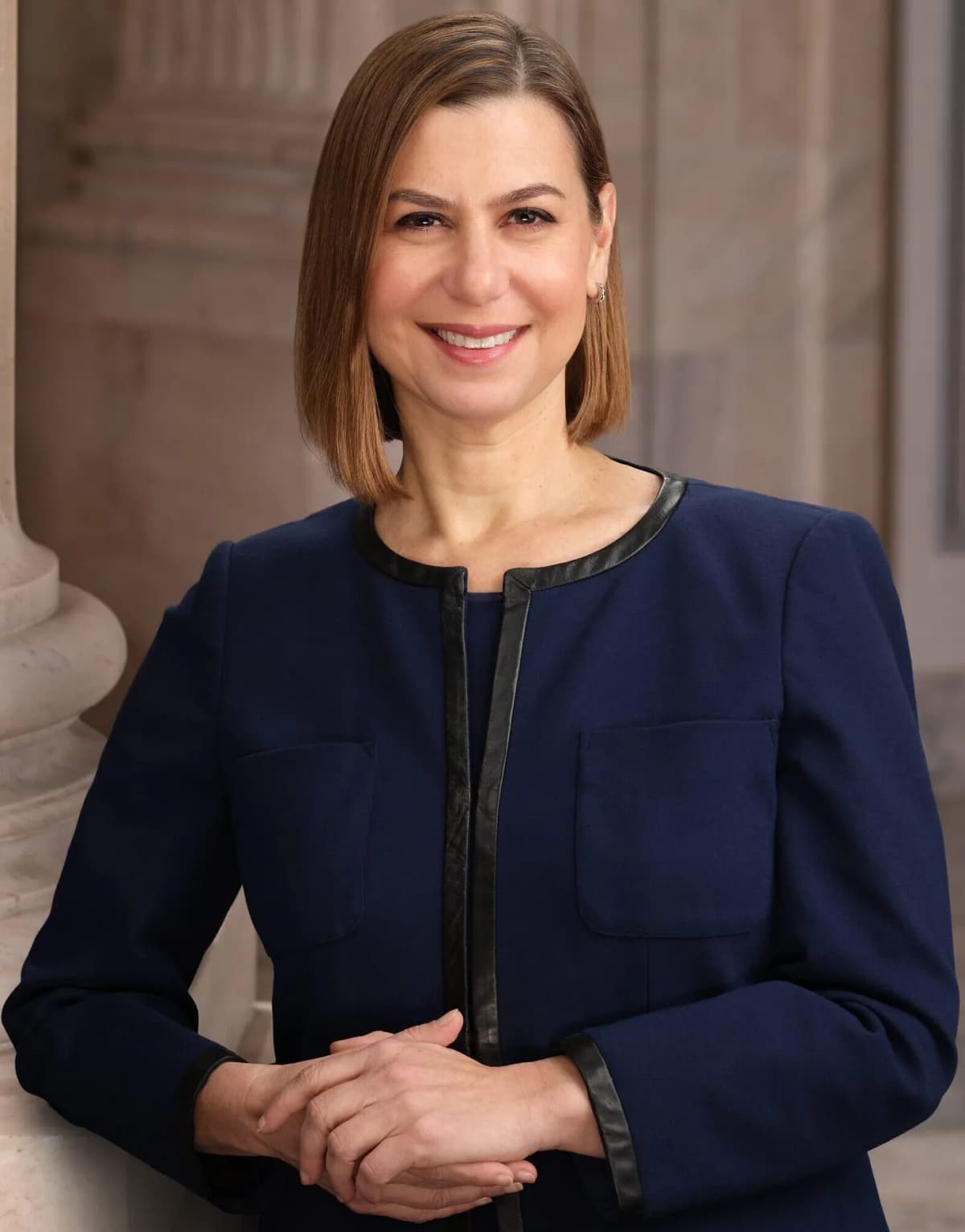
Senator Elissa Slotkin of Michigan is bringing her experience from the Pentagon's Office of the Secretary of Defense for Policy to the Senate Armed Services Committee, where she's championing legislation to regulate military AI and block Chinese vehicles from U.S. installations.
In a recent conversation with ChinaTalk, Slotkin outlined her priorities in the latest National Defense Authorization Act and explained why the annual defense bill markup represents Congress at its functional best.
Why it matters
As the Pentagon races to integrate artificial intelligence across operations, Slotkin's AI Guardrails Act establishes a legislative framework that no single defense secretary or technology company can unilaterally change. Her work on Chinese connected vehicles addresses a vulnerability that extends beyond electric cars to any vehicle capable of transmitting data back to Beijing—a concern that grows more urgent as Canada imports tens of thousands of Chinese vehicles that can cross into Michigan.
The case for AI oversight
Slotkin's AI Guardrails Act, which made it into the NDAA, mandates human decision-making authority over life-and-death military applications. The legislation emerged from debates around Anthropic's work with the Defense Department and establishes that neither individual defense secretaries nor AI companies should unilaterally set rules for AI in the kill chain.
"We took a stab at putting some left and right guardrails on the use of AI, and it's really about keeping a human being as the ultimate decision maker," Slotkin explained. The law distinguishes between administrative AI applications—aggregating health records or employee information—and critical decisions involving nuclear weapons, domestic surveillance, or lethal force.
The legislation also requires rigorous testing protocols before AI systems can be fielded, treating them with even greater scrutiny than traditional weapon systems.
Chinese vehicles as intelligence threats
Slotkin has spent four years working to ban Chinese vehicles from military installations, culminating in NDAA provisions covering both domestic and overseas bases. Working with Senator Bernie Moreno, she introduced legislation addressing what she calls "Chinese connected vehicles"—any vehicle with data collection capabilities, regardless of propulsion type.
The senator drew a sharp distinction between Chinese partnerships and historical arrangements with Japanese and Korean automakers. Her legislation permits joint ventures only when Chinese ownership remains at fifteen percent or below, not the majority stakes common in current proposals.
The threat extends to border states like Michigan, where Slotkin has introduced separate legislation to ban Chinese vehicles from crossing international bridges and tunnels. She raised the issue directly with Canada's Prime Minister after Canada began importing tens of thousands of Chinese vehicles, including BYD models equipped with data packages that transmit to Beijing.
Taiwan and public priorities
As co-chair of the bipartisan Senate Taiwan Caucus, Slotkin acknowledges a gap between Washington's focus on Taiwan and constituent concerns back home. In focus groups with Michigan residents—teachers, nurses, police officers—China emerged primarily as an economic competitor that cost American jobs, not a military threat to Taiwan.
"Right now the American public is pretty frickin' exhausted with foreign wars," Slotkin noted, pointing to voter fatigue that influenced Michigan's 2024 presidential vote.
NDAA markup as functional government
Slotkin described the two-day NDAA markup as her "best days of the year" because closed-door sessions without cameras allow substantive negotiation. Senators modify amendments in real-time, compromise over lunch, and vote on revised language hours later—a stark contrast to typical Senate procedure.
Among her disappointments: provisions she introduced to prohibit uniformed military from collecting ballots or appearing at polling locations were voted down, despite her concerns about authoritarian playbooks and election integrity.
These details were first reported by ChinaTalk in their interview with Senator Slotkin.
This is an original analysis by the Omega editorial team. Source reporting: AI Watch.
Want systems like this working for your business?
Book a Call
