Senate Proposes Five-Pillar Framework for Military AI Safeguards
New legislation from six senators aims to regulate Pentagon AI use amid revelations of rapid targeting systems and civilian harm concerns.
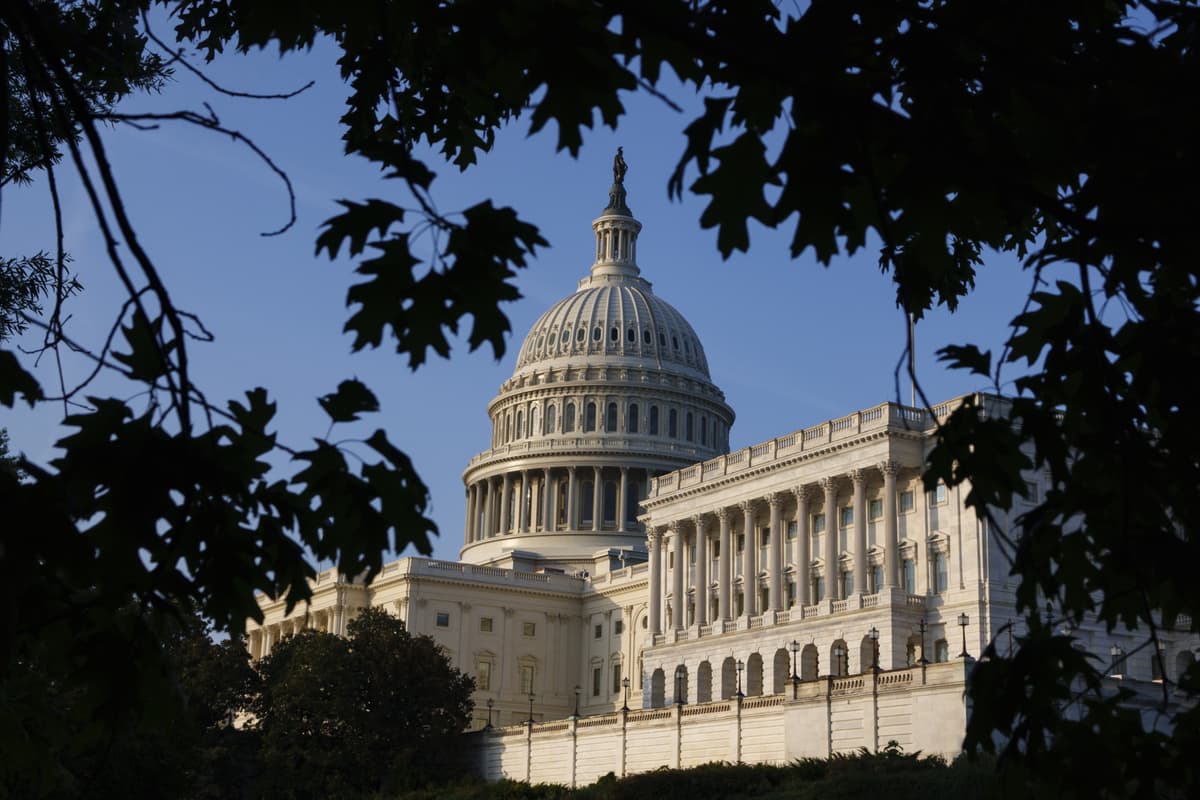
Senate Proposes Five-Pillar Framework for Military AI Safeguards
The U.S. military's expanding use of artificial intelligence in combat operations has prompted senators with national security credentials to introduce legislation establishing guardrails around Pentagon AI systems. Between May and June 2026, five senators proposed bills that collectively outline an emerging framework for regulating how the Department of Defense develops and deploys AI in warfare.
The legislative push follows revelations about AI's growing role in military targeting. According to Just Security, which first reported the details, the Pentagon has integrated AI into targeting through its Maven Smart System since at least 2019. More recently, a sworn declaration from the Pentagon's Chief Digital and Artificial Intelligence Officer disclosed that xAI's Grok chatbot contributed to workflows that deployed over 2,000 munitions to 2,000 targets within 96 hours during operations against Iran.
Why it matters
These bills represent Congress's first substantive attempt to regulate military AI as the technology moves from experimental to operational at unprecedented speed and scale. The framework they establish—or fail to establish—will shape how AI influences life-and-death decisions in combat, affecting both military effectiveness and civilian protection. With AI enabling the Pentagon to process targets at ten times the previous rate, the gap between technological capability and regulatory oversight has become a pressing national security and humanitarian concern.
Five Categories of Safeguards
The proposed legislation—including the Responsible Artificial Intelligence Defense Act from Senators Chris Coons and Jack Reed, the Human Authority in Lethal Operations Act from Senator Adam Schiff, and bills from Senators Elissa Slotkin, Kirsten Gillibrand, and Mark Kelly—converges around five safeguard categories:
Meaningful human judgment and control appears in nearly every proposal, requiring humans to retain ultimate authority over the use of force. Senator Kelly's bill comes closest to defining this requirement by mandating that commanders understand operational context through training and system design features that strengthen human oversight.
Operator competence provisions recognize that human oversight only functions as a safeguard when operators possess the skills and confidence to critically evaluate AI outputs. The WARP Act from Senators Kelly and Tom Cotton specifically requires the Pentagon to assess AI's impact on human operators.
Rigorous testing and evaluation requirements aim to address accuracy problems. Early Maven testing showed the system correctly identified tanks only 60 percent of the time compared to human analysts' 84 percent, with accuracy dropping to 30 percent in snowfall.
Monitoring and accountability measures attempt to preserve clear chains of responsibility even as AI complicates the ability to determine who is accountable when civilian harm occurs.
Prohibitions on high-risk applications would restrict certain military AI uses, though the bills differ on where to draw these lines.
Unresolved Questions
Despite this convergence, critical questions remain unanswered. The legislation offers limited guidance on how much time, information, and independence operators need for human involvement to function as an effective safeguard. If operators must validate hundreds of AI-generated targeting recommendations under compressed timelines—as occurred during Iran operations—can they meaningfully exercise independent judgment?
The bills also leave unclear where human judgment is most critical within the decision-making process. Approving only final outputs without scrutinizing underlying data, assumptions, or intermediate steps may not constitute meaningful control.
As the National Defense Authorization Act moves forward, it appears increasingly likely to include substantive measures on military AI. The framework emerging from these proposals will determine whether congressional oversight keeps pace with the Pentagon's rapid AI adoption.
This analysis draws from reporting by Just Security.
This is an original analysis by the Omega editorial team. Source reporting: AI Watch.
Want systems like this working for your business?
Book a Call
