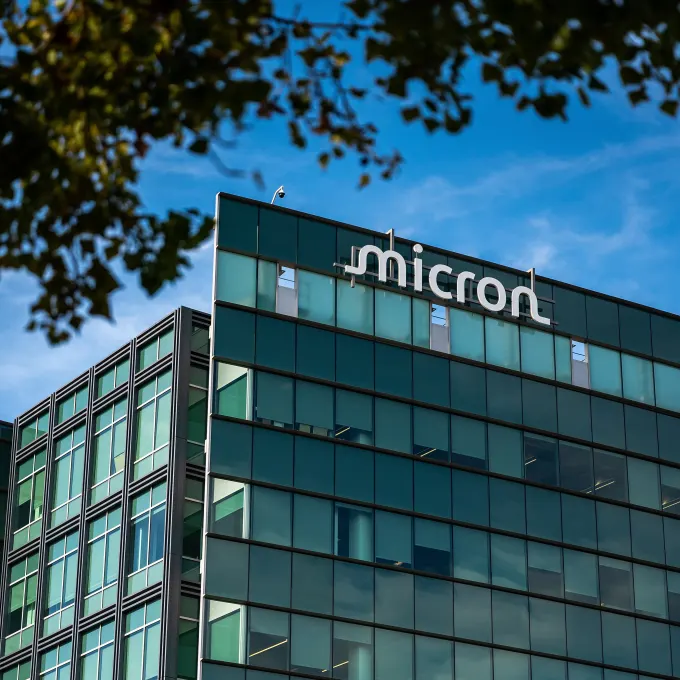
Semiconductor selloff deepens despite tight memory supply
Nasdaq nears correction as chip stocks tumble on China fears and AI spending concerns, even as memory prices climb and shortages persist.
A sharp selloff in semiconductor stocks pushed the Nasdaq-100 within striking distance of correction territory this week, driven by what analysts describe as panic rather than fundamental weakness in the chip industry.
The SOX semiconductor index dropped as much as 6% on Tuesday, marking its fourth consecutive losing session and longest losing streak of the year, according to Fortune. The decline followed an 11% plunge in South Korea's Kospi index, which triggered its eighth circuit breaker of 2026.
Yet the market reaction appears disconnected from underlying supply dynamics. Memory prices continue rising, with third-quarter DRAM contracts settling 20% to 30% higher this month. Google and Meta have locked in five-year supply agreements, and analysts don't expect meaningful new capacity until 2028.
Three sources of investor anxiety
Three developments appear to be fueling the selloff. Chinese memory maker CXMT debuted Monday with a 466% surge after raising $8.6 billion. Separately, reports emerged that a Chinese state-backed company began mass-producing deep ultraviolet lithography machines, technology previously dominated by ASML. Finally, concerns about hyperscaler AI spending intensified after Alphabet raised its 2026 capital expenditure guidance to as much as $205 billion.
"Right now there's a lot of panic around the AI investment, and the panic appears to be indiscriminate," Gil Luria, a technology analyst at D.A. Davidson, told Fortune.
Why the China concerns may be overblown
Analysts tracking semiconductor supply chains say the China-related worries don't withstand scrutiny. Matt Bryson of Wedbush noted that China has had access to DUV lithography for years. Producing the machines domestically doesn't change what Chinese firms can manufacture.
The critical constraint remains extreme ultraviolet (EUV) technology, which enables the finest chip features and remains exclusively controlled by ASML under export restrictions. While CXMT can build advanced memory using DUV, the process requires more manufacturing passes and higher costs, leaving it at a competitive disadvantage to Micron, Samsung, and SK Hynix.
CXMT also faces potential distribution barriers outside China, including intellectual property questions and possible infringement suits from Western memory makers. Currently, its chips serve primarily the Chinese PC and handset markets.
The hyperscaler spending question
The third concern—whether cloud providers are overspending on AI infrastructure—proves harder to dismiss. Alphabet reported record quarterly profit last week with cloud revenue up 82%, yet its stock fell as investors focused on ballooning capital expenditure. Moody's estimates the six largest hyperscalers will spend roughly $785 billion this year and approach $1 trillion in 2027, with uncertain returns.
Some analysts argue the market is misreading recent developments. Luria described Nvidia's reported supply guarantees as financial instruments to lower customers' cost of capital rather than obligations Nvidia expects to fund directly.
Why it matters
The semiconductor industry's health directly affects AI deployment timelines and costs across the technology sector. If the current selloff reflects genuine concerns about hyperscaler returns on AI infrastructure rather than temporary supply fears, it could signal a broader reassessment of AI investment economics. With Microsoft, Meta, Apple, and Amazon reporting earnings this week alongside a Federal Reserve rate decision, Wells Fargo analyst Ohsung Kwon characterized it as a "make or break" week for equities. The disconnect between falling stock prices and rising memory prices suggests investors are pricing in significant demand destruction that hasn't yet materialized in actual supply chains.
These details were first reported by Fortune.
This is an original analysis by the Omega editorial team. Source reporting: AI Watch.
Want systems like this working for your business?
Book a Call