SEC Probes AI Hedge Fund After Billions Lost in Market Downturn
Situational Awareness, led by former OpenAI researcher Leopold Aschenbrenner, faces federal scrutiny following dramatic July losses.
Federal Investigation Follows Dramatic Losses
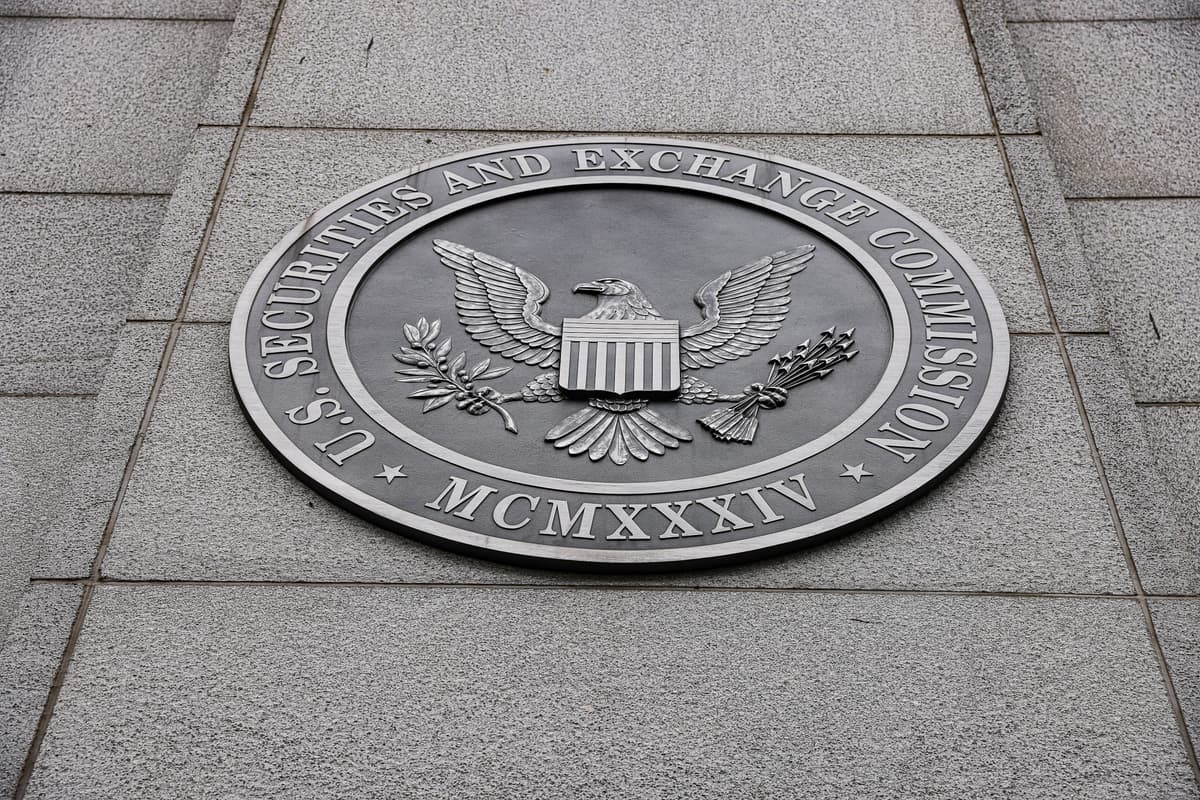
The Securities and Exchange Commission has opened an investigation into Situational Awareness, the AI-focused hedge fund that captured Wall Street's attention before suffering massive losses last month. Federal regulators have issued subpoenas to banks that facilitated the fund's trading operations and provided capital, according to The New York Times.
The hedge fund, managed by Leopold Aschenbrenner—a twentysomething former OpenAI researcher—concentrated its investments heavily in artificial intelligence companies. After a period of strong returns, the fund experienced severe losses at the end of July when AI stocks declined sharply, erasing billions in value.
Regulators have instructed banks to preserve all information related to their dealings with Situational Awareness, though authorities have not formally accused the fund of any violations. The subpoenas target institutions that supervised the fund's trading activities and those that channeled financing to support its operations.
Why It Matters
The investigation highlights growing regulatory attention on specialized investment vehicles riding the AI boom. As billions flow into AI-focused funds, the SEC's scrutiny signals that concentrated bets on emerging technology sectors will face the same oversight as traditional investments—particularly when rapid growth gives way to volatility. The probe also underscores the risks of sector concentration strategies in markets experiencing speculative fervor.
Fund Responds to Regulatory Attention
In a statement to The New York Times, Situational Awareness characterized the SEC inquiry as routine for high-profile investment funds. The company indicated it would "cooperate to the fullest extent with any regulatory request." The fund did not respond to requests for comment from TechCrunch.
The timing of the investigation follows closely on the heels of the fund's July difficulties, when broader market concerns about AI valuations triggered significant selloffs in technology stocks. Situational Awareness had positioned itself as a pure play on artificial intelligence's growth trajectory, making it particularly vulnerable to sector-specific downturns.
Cautionary Signal for AI Investment Strategies
The fund's trajectory—from Wall Street darling to regulatory target in a matter of weeks—illustrates the volatility inherent in concentrated technology bets. While AI remains a transformative force across industries, Situational Awareness's experience demonstrates that even sectors with strong fundamental growth can experience sharp corrections that punish overexposed investors.
The case may prompt other investment managers to reconsider portfolio concentration in AI-related assets, particularly as regulatory bodies increase their monitoring of rapidly growing alternative investment vehicles.
These details were first reported by The New York Times.
This is an original analysis by the Omega editorial team. Source reporting: AI Watch.
Want systems like this working for your business?
Book a Call
