Seattle Fire Department Uses AI to Route 911 Calls Without Disclosure
Denmark-based Corti has been analyzing medical emergency calls since 2019, prompting dispatchers to divert patients to a nurse line with relaxed response standards.
Undisclosed AI deployment in emergency services
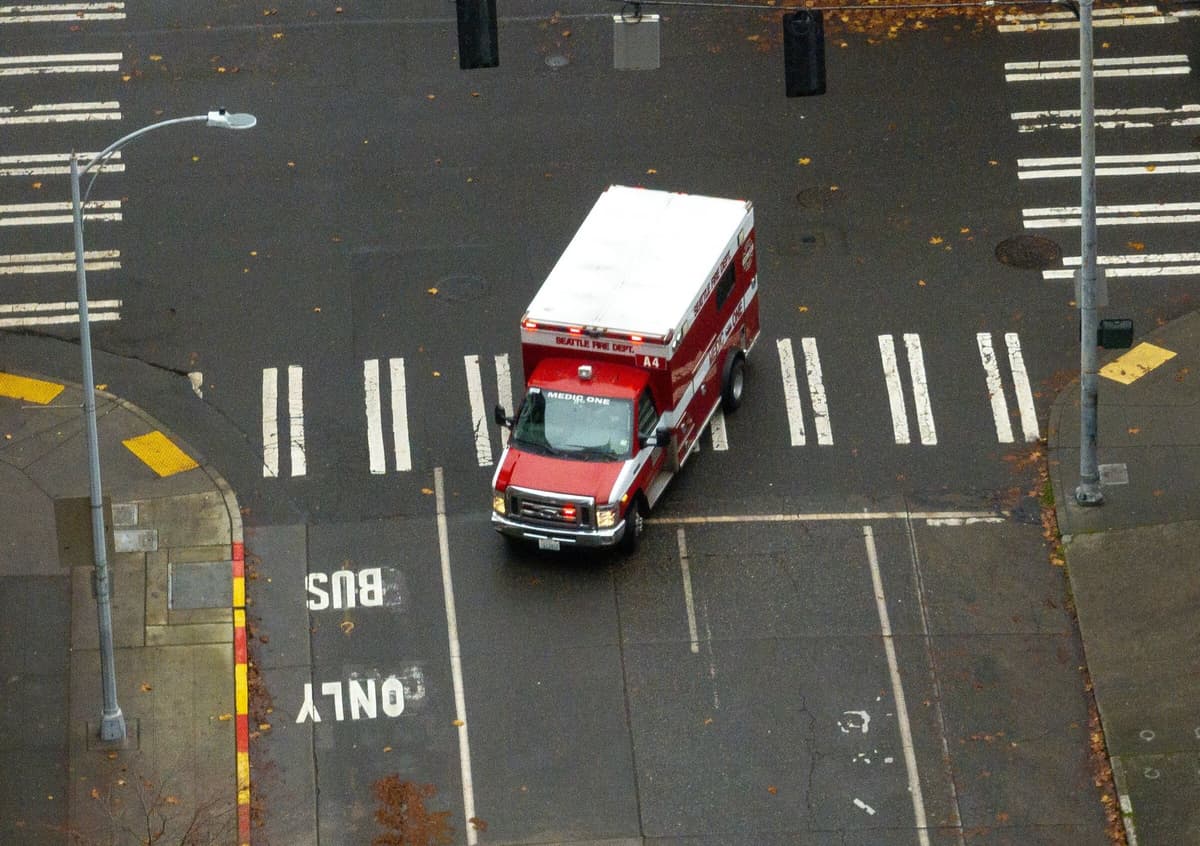
The Seattle Fire Department has been using artificial intelligence from Denmark-based company Corti to help dispatchers triage 911 medical calls for more than two years without informing callers or conducting public review, according to details first reported by The Seattle Times.
The AI system listens to all 911 medical calls and generates pop-up alerts prompting dispatchers to route certain patients to a nurse-staffed call center in Texas rather than dispatching ambulances immediately. The Fire Department confirmed these practices in late May after the Times began investigating.
Seattle's relationship with Corti dates to 2019, when the company began accessing 911 call recordings to train its AI models on cardiac arrest detection. The department initially used the technology only for quality assurance reviews of completed calls. In December 2023, Seattle activated live AI prompts during active emergency calls to help identify patients suitable for the nurse line.
Questions about accountability and outcomes
Fire officials cannot explain how they measure the technology's effectiveness or provide current contract details. The department reports spending approximately $260,000 annually on Corti but has shared no public metrics on whether the AI improves outcomes for callers.
Assistant Chief Chris Lombard emphasized that dispatchers retain final authority over call routing decisions and face no penalties for ignoring AI recommendations. A Corti spokesperson stated the company's role is "to support that work, not replace or override clinical judgment."
The nurse line operates under relaxed ambulance response standards compared to standard 911 protocols. Earlier Times reporting documented cases where patients transferred to the nurse line waited hours for ambulances. In one case, a caller waited more than 10 hours and was later found dead—her estate is now suing the city.
Medical Director Michael Sayre credited Corti's technology with driving increased nurse line referrals, though the actual increase was 32 percent rather than the initially claimed 50 percent. Sayre indicated plans to expand AI use to higher-acuity calls.
Why it matters
This case illustrates how local governments are deploying AI systems in high-stakes public services without established governance frameworks or transparency measures. When emergency services adopt algorithmic decision support, residents have no alternative provider and no ability to opt out—making disclosure and accountability especially critical. The lack of public metrics, bias assessments, or surveillance review raises questions about whether Seattle's approach balances innovation with appropriate safeguards for vulnerable populations calling 911.
Privacy and governance concerns
University of Washington law professor Ryan Calo, who co-directs the school's Tech Policy Lab, said the undisclosed AI involvement "raises serious concerns" on multiple levels. Privacy attorney Jevan Hutson noted that "the governance needs to match the stakes here, and the governance is not matching the stakes."
Seattle's surveillance ordinance requires review of technologies that observe individuals in ways likely to raise social justice concerns, but the Fire Department's AI use has not undergone such assessment. Computer science professor Franziska Roesner pointed out that without public information, "it's not clear this is a bad thing, but it's also not clear that it's a good thing."
Corti states it does not own Seattle's data and cannot use it to train models for other customers. The company has promoted its Seattle partnership while expanding its U.S. business.
Mayor Katie Wilson's administration said it is developing a public framework for AI usage and governance. Assistant Chief Lombard indicated the department will be more transparent about AI deployment going forward, including plans to use AI note-taking for firefighters responding to medical emergencies.
The Seattle Times first reported these details as part of an investigative series examining the city's 911 system and ambulance service.
This is an original analysis by the Omega editorial team. Source reporting: AI Watch.
Want systems like this working for your business?
Book a Call