Savi Security Launches AI Scam Detection App After Founder's Mother Targeted
The startup raised $7 million to protect consumers from voice-cloning kidnapping hoaxes and other AI-powered fraud.
A family crisis sparks a security startup
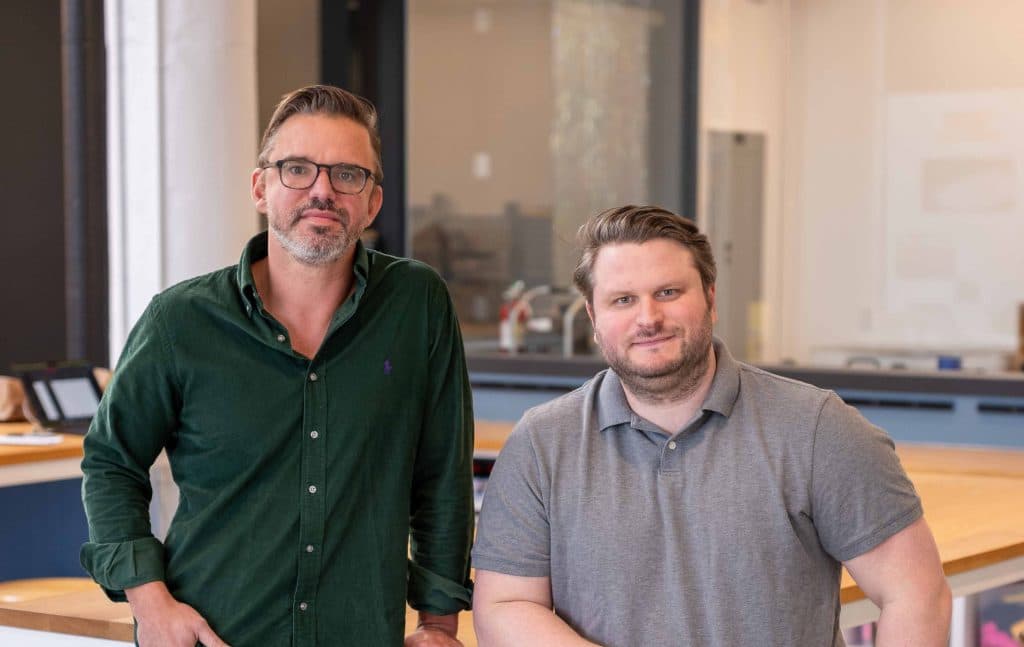
Savi Security, a new consumer protection startup founded by brothers Patrick and Ryan Coughlin, launched its iPhone and Android app Tuesday alongside a $7 million seed round led by Acrew Capital. The company aims to shield everyday users from increasingly sophisticated AI-generated scams that can clone voices from just three seconds of audio.
The genesis was personal and terrifying. Two years ago, Patrick Coughlin's mother received a call that appeared to come from her daughter's number. She heard what sounded like her daughter's voice saying "Mom, they've got me," followed by a scream and a ransom demand for $1,200 or the kidnappers would kill her at a local Walmart. The caller had spoofed the phone number, synthesized the voice, and referenced accurate location details. The daughter was safe — it was an AI scam.
Patrick Coughlin, then senior vice president of security products at Cisco and previously founder of cloud security startup TruSTAR (acquired by Splunk for a reported $82 million), recognized a fundamental shift. The sophisticated attack methods once reserved for governments and Fortune 500 companies were now economically viable against individual consumers, thanks to cheap large language models and generative AI tools.
From free tool to paid protection
Before building a commercial product, the Coughlins tested their concept with Scam Wise, a free website where users can anonymously upload suspicious texts, photos, or emails for analysis. Launched four months before the app, it has processed 50,000 submissions and now receives more than 10,000 weekly, providing real-world training data for Savi's detection model.
The paid Savi app screens texts, voicemails, and incoming calls for fraud indicators. Its standout feature is live-call monitoring: during a suspicious conversation, users can add Savi's AI agent as a listener to analyze behavioral patterns in real time and identify potential scams while the call is active. The system currently relies primarily on Google's Gemini but uses an AI gateway architecture that allows integration of specialized models, including voice-detection tools.
Savi charges $8 monthly or $63 annually for unlimited family coverage with no cap on users, allowing one account holder to protect children, parents, spouses, and extended family members.
Why it matters
The Federal Trade Commission reported that Americans lost $3.5 billion to imposter scams in 2025 alone — triple the 2020 figure. Voice cloning technology has eliminated the research costs and technical barriers that once made individual consumers unprofitable targets. A 2025 Malwarebytes study found Gen Z users were targeted with text scams more frequently than other age groups and fell for them roughly 25% of the time, dispelling assumptions that only older Americans are vulnerable. Savi represents an emerging category of consumer security tools designed specifically for the AI era, where the economics of fraud have fundamentally changed.
Details of Savi Security's launch and funding were first reported by TechCrunch. Magnify Ventures, TTCER, and Resolute Ventures participated in the seed round alongside lead investor Acrew Capital.
This is an original analysis by the Omega editorial team. Source reporting: AI Watch.
Want systems like this working for your business?
Book a Call