Sanders Proposes $7 Trillion AI Wealth Fund, $1,000 Annual Payouts
New legislation would impose a 50% stock tax on major AI companies to create a sovereign fund managed independently from government control.
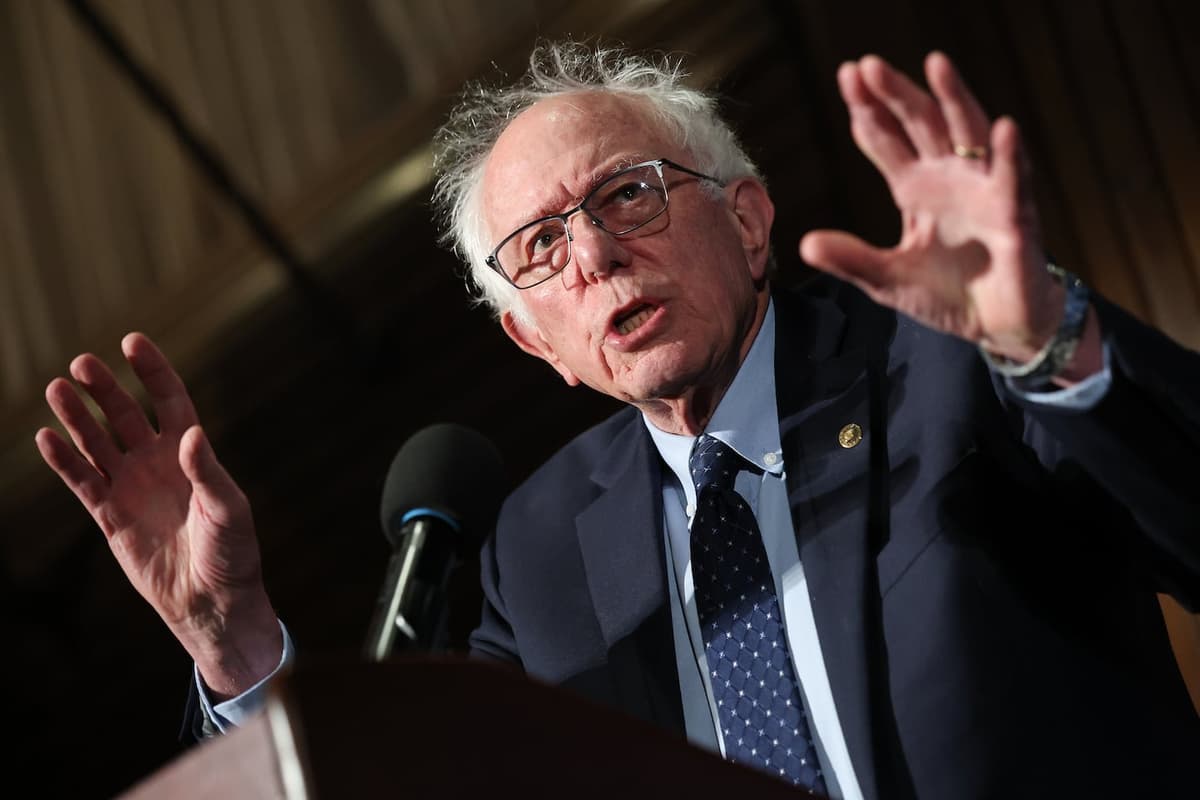
Sen. Bernie Sanders introduced legislation Thursday that would establish federal ownership stakes in major artificial intelligence companies through a sovereign wealth fund, potentially distributing $1,000 annually to every American from the proceeds.
The Vermont Independent's proposal would impose a one-time 50% stock tax on leading AI firms, creating a fund Sanders's office estimates could reach $7 trillion in value. A 5% annual dividend from that fund would generate the $1,000 payments, according to details first reported by the Boston Globe.
How the fund would operate
Under the legislation, a seven-member independent commission would manage the sovereign wealth fund and hold board seats at participating companies. The president would select commissioners from a congressional list of nominees, subject to Senate confirmation.
The proposal would capture both dedicated AI companies and the AI divisions of technology conglomerates. New entrants reaching $200 million in annual revenue would automatically join the fund. Companies like Nvidia, Google, Microsoft, Amazon, and SpaceX could fall under the requirements, which would mandate separating AI operations from other business lines—though the legislation doesn't specify how that distinction would be drawn.
Unlikely political alignment
The bill faces long odds in the Republican-controlled Congress, but it reflects growing bipartisan concern about AI's economic impact. President Trump said earlier this month he's considering government stakes in AI companies, though his administration hasn't provided specifics.
OpenAI and Anthropic have both floated their own versions of public ownership structures. OpenAI CEO Sam Altman met with Sanders to discuss the concept, though Sanders told reporters that AI executives remain "very hard" to talk to, citing millions in election spending by AI-aligned groups.
Former Trump AI czar David Sacks, speaking on the "All In" podcast, said he opposed Sanders's specific blueprint but expressed sympathy for voluntary public ownership arrangements.
Why it matters
The convergence of Sanders and Trump on AI ownership—despite their vast political differences—signals how rapidly the policy landscape is shifting. A Pew Research Center survey released Wednesday found most Americans believe AI is advancing too quickly and don't trust either government regulators or the companies building the technology to manage it responsibly. Whether direct financial stakes would address that skepticism remains untested, but the proposal represents a significant departure from traditional tech regulation approaches that have focused on antitrust enforcement and content moderation rather than public equity participation.
Microsoft president Brad Smith pushed back on the concept this week, stating the company isn't "really interested in selling ourselves to any government." TechNet, representing Google, OpenAI, and Anthropic among others, said it's advocating for AI guardrails and workforce development instead.
The Boston Globe first reported the details of Sanders's legislation and his comments to reporters.
This is an original analysis by the Omega editorial team. Source reporting: AI Watch.
Want systems like this working for your business?
Book a Call