Sanders Proposes 50% Tax on AI Giants to Fund Public Wealth
New legislation would seize half the stock of major AI companies, creating a $7 trillion sovereign fund to pay dividends directly to Americans.
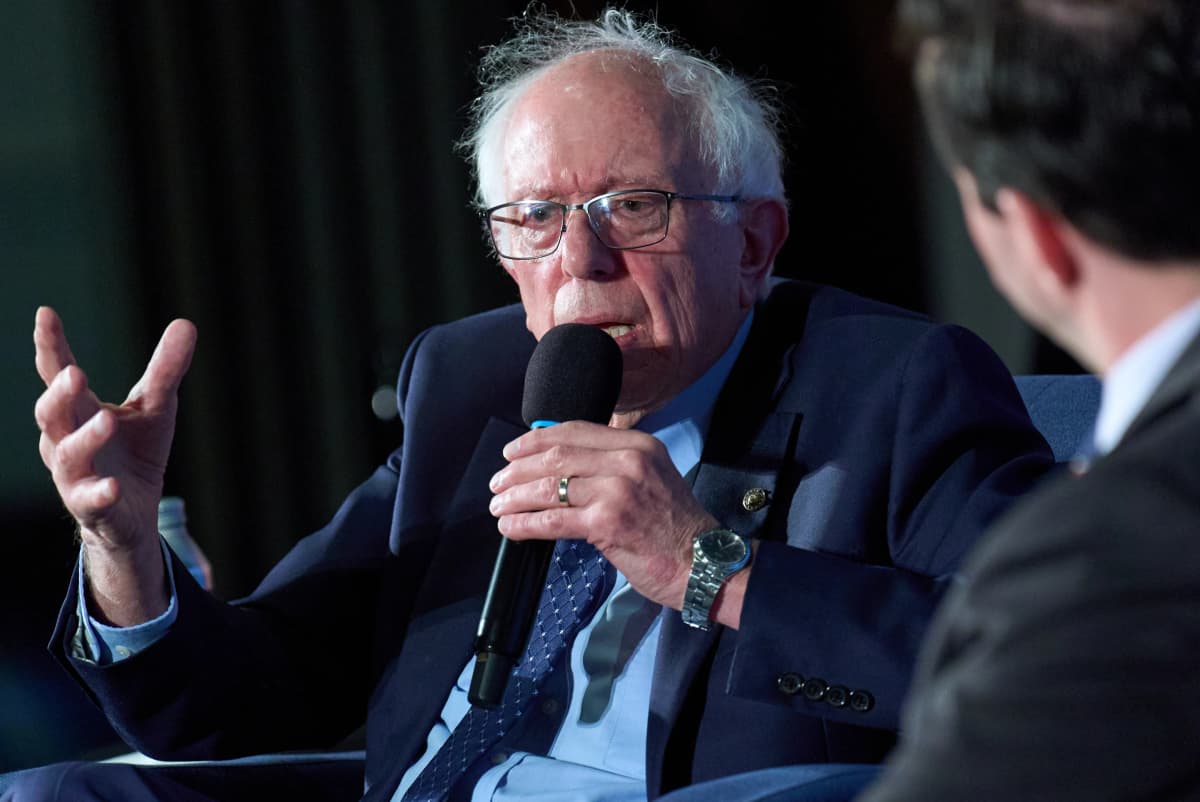
Sen. Bernie Sanders has introduced legislation that would fundamentally reshape who benefits from artificial intelligence by transferring half the equity of the largest AI companies to a public wealth fund.
The bill, detailed first to The Associated Press, targets AI companies generating more than $200 million in annual sales. Rather than collecting cash, the government would seize 50% of their stock, making American taxpayers major shareholders in firms racing toward trillion-dollar valuations. Sanders estimates the one-time levy would create a fund worth roughly $7 trillion.
Why it matters
The proposal represents the most aggressive attempt yet to redistribute AI wealth before the technology reshapes labor markets. While figures from Sam Altman to President Trump have floated the idea of public stakes in AI, Sanders' plan goes far beyond voluntary profit-sharing—it would give citizens direct ownership and voting power over corporate decisions at companies like OpenAI and Anthropic. With 70% of college students viewing AI as a threat to their job prospects, according to a 2025 Harvard Kennedy School poll, the political appetite for intervention is growing ahead of midterm elections.
How the fund would operate
A seven-member independent commission, nominated by the president and confirmed by the Senate, would manage the fund and exercise voting rights on behalf of the public. The commission would be directed to block corporate decisions that harm Americans and advocate for beneficial policies.
Sanders proposes distributing a 5% annual dividend from the fund, which he says would provide more than $1,000 per year to every American. Additional returns would finance education, housing, and health care programs. The senator argues taxpayers face no downside risk even if AI valuations collapse, since the government would not have paid cash for the shares.
Any company that later crosses the $200 million threshold in AI revenue would also face the tax, ensuring new entrants contribute to the fund.
Industry and political response
The concept of public AI ownership has drawn interest across the political spectrum, though Sanders' version is far more interventionist than others floated. Trump recently suggested the government could become a "partnership" with AI companies, while OpenAI CEO Sam Altman proposed a public wealth fund in April. Anthropic CEO Dario Amodei has written favorably about using AI company taxes to fund universal basic income.
But Sanders dismissed these proposals as inadequate. In a meeting with Altman, the two remained "far apart" on the size of any public stake, according to people present. Sanders characterized industry-friendly versions as attempts to "buy off the public" with 5% of profits rather than genuine shared ownership.
Campaign trail ahead
Sanders plans to make AI ownership central to his messaging, building on his "Fighting Oligarchy" tour that drew large crowds last year. Other Democrats are already campaigning on AI concerns—Michigan Senate candidate Mallory McMorrow has unveiled worker protection plans, while New York House candidate Alex Bores is emphasizing AI regulation.
Opposition to AI infrastructure is mounting locally as well. Data center projects face pushback over electricity and water demands, prompting states like Ohio and Virginia to reconsider tax incentives they once offered.
These details were first reported by The Associated Press.
This is an original analysis by the Omega editorial team. Source reporting: AI Watch.
Want systems like this working for your business?
Book a Call