Sanders and Trump Both Eye Government Stakes in AI Companies
A bipartisan concept faces skepticism from senators worried about conflicts of interest and market distortion.
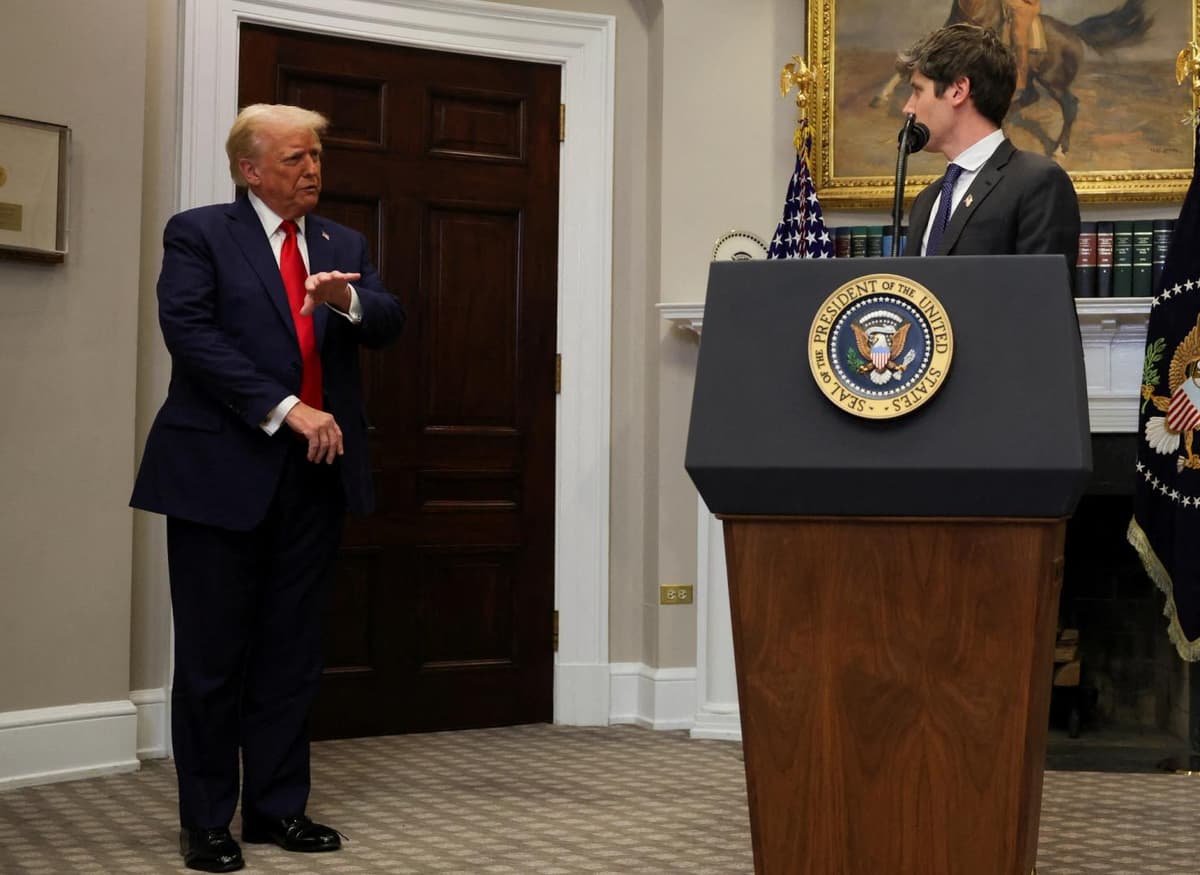
An unusual political alignment has emerged around the idea of giving the federal government direct ownership stakes in major artificial intelligence companies, with both Sen. Bernie Sanders and President Donald Trump expressing interest in the concept — though implementation faces significant congressional skepticism.
Sanders is developing legislation that would impose a one-time 50% tax on AI companies, paid in stock rather than cash, with shares deposited into a sovereign wealth fund for public benefit. Trump has separately signaled openness to tech companies involved in AI infrastructure "giving back something to the public," consistent with his administration's approach of taking equity positions in other security-related firms.
Why it matters
The proposal represents a fundamental shift in how government might extract value from AI development, moving beyond traditional taxation or regulation toward direct ownership. For AI companies racing to deploy large language models and infrastructure, the prospect of surrendering half their equity to a government fund would dramatically reshape capital structures and investor returns — while creating novel questions about how democratic institutions should govern their stakes in private technology firms.
Bipartisan resistance emerges
Despite support from figures like Sen. Brian Schatz (D-Hawaii), the concept faces resistance across the political spectrum, with lawmakers citing distinct concerns about government ownership of technology companies.
Sen. Mike Rounds (R-S.D.) warned that government equity stakes could lock in support for specific companies at the expense of more innovative competitors. "What I don't want to do is get stuck with one company or two companies that we've got a vested interest in, and then find out that there's a better company out there that would have a better product," Rounds said.
Sen. Angus King (I-Maine) identified a structural conflict: government ownership would compromise regulatory independence. "Do you pass a regulation that might impinge on the profitability of a company that you own a stake in?" King asked. "It sort of creates a built-in conflict of interest."
Sen. Tim Kaine (D-Va.) raised concerns about how government stakes would affect procurement processes, particularly for Defense Department contracts. Companies competing for government business could reasonably argue that agencies would favor firms in which the government holds equity, undermining competitive bidding.
Sovereign wealth fund finds warmer reception
Sen. Josh Hawley (R-Mo.) drew a distinction between direct government ownership of tech companies — which he opposes — and the broader concept of a sovereign wealth fund. "I'm not a huge fan of government ownership where you have big government owning Big Tech," Hawley said, but added he's "a little bit warmer" to sovereign wealth fund structures that don't concentrate ownership in specific technology firms.
The divergence suggests potential legislative paths that separate the sovereign wealth fund mechanism from mandatory equity stakes in AI companies, though Sanders' proposal explicitly links the two through the stock-based tax structure.
These details were first reported by Semafor.
This is an original analysis by the Omega editorial team. Source reporting: AI Watch.
Want systems like this working for your business?
Book a Call
