San José Trains 1,000 City Workers to Build Custom AI Tools
The California city's voluntary upskilling program puts AI development in the hands of frontline employees, producing applications that reduce administrative work across departments.
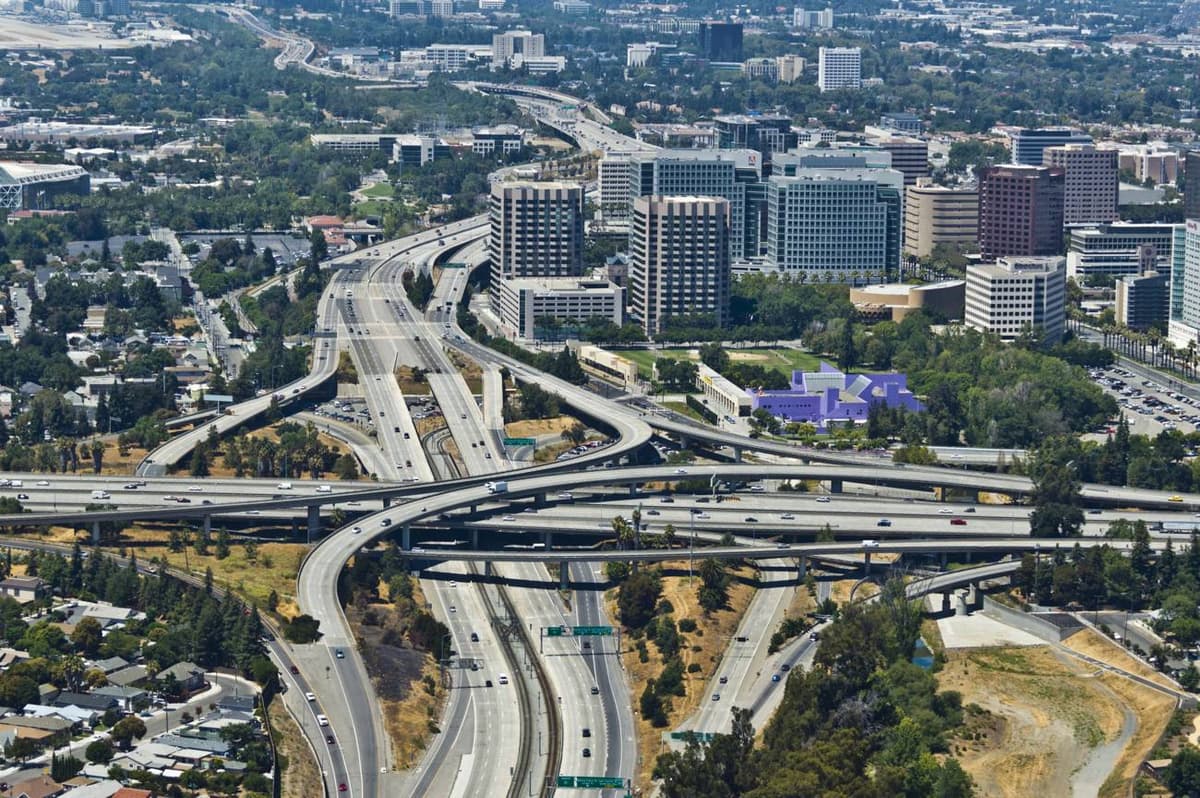
San José reaches AI training milestone
San José has trained more than 1,000 city employees to build their own artificial intelligence applications since launching its AI Upskilling Program in 2024, the city announced this week. The initiative, developed in partnership with San José State University, has now reached roughly 15% of the municipal workforce.
The voluntary program offers self-paced courses alongside a 10-week cohort-based track where employees design AI tools specific to their daily responsibilities. According to Chief Innovation Officer Stephen Caines, the city deliberately adopted what he calls a "bottom-up" approach—empowering frontline workers to identify operational challenges and develop their own solutions rather than imposing top-down technology mandates.
Why it matters
As cities nationwide experiment with generative AI, San José's model demonstrates how municipal governments can scale AI adoption without massive consulting contracts or centralized development teams. By training employees to build tools themselves, the city creates solutions tailored to actual workflow problems while building internal AI literacy. The approach also addresses a common barrier: workers who understand AI capabilities are more likely to identify appropriate use cases than technology teams working in isolation.
Employee demand exceeds capacity
Caines told StateScoop that demand for the training consistently surpasses available seats, with some employees returning to take the course multiple times. The city aims to expand participation to 2,500 employees—approximately 30% of its workforce—by June 2027.
San José joins a growing number of U.S. cities investing in AI training for public employees. Washington, D.C., became the first major city to mandate AI training for all employees and contractors in February, covering prompt engineering basics, responsible innovation practices, and deepfake recognition. San Francisco has similarly made AI literacy courses available through a government portal.
Practical applications emerge
The program has already produced functional AI applications across multiple departments. Employees have built a tool that automatically verifies emergency vehicles are properly equipped before deployment, a system that reviews contractor submissions to flag missing information and draft response emails, and an assistant that evaluates projects against the city's carbon neutrality goals for 2030.
The city's AI governance framework is integrated directly into the training. Employees build tools using approved enterprise AI platforms and city-managed accounts, which eliminates the need for separate security or compliance reviews in most cases. San José is also exploring connecting large language models to municipal open-data systems through model context protocol servers.
These details were first reported by StateScoop.
This is an original analysis by the Omega editorial team. Source reporting: AI Watch.
Want systems like this working for your business?
Book a Call