Rural Health AI Push Faces Skepticism From Patients and Experts
Federal officials champion artificial intelligence for underserved communities, but evidence of effectiveness remains scarce and residents express doubts.
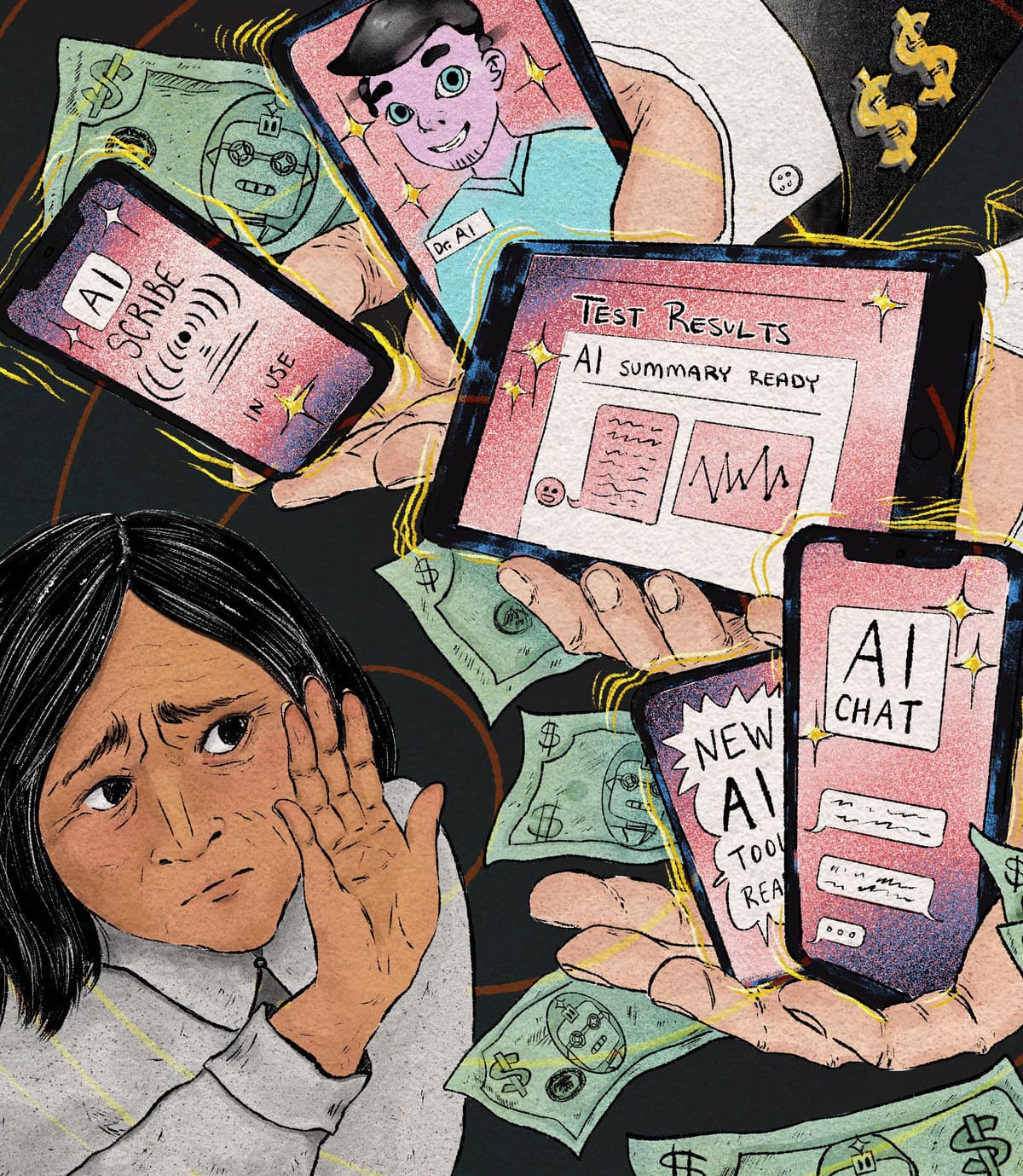
Federal health leaders are betting heavily on artificial intelligence to address healthcare challenges in rural America, but patients in these communities and researchers studying the technology remain unconvinced.
Health Secretary Robert F. Kennedy Jr. recently told senators that AI nurses could deliver "concierge care" to rural patients, while Centers for Medicare & Medicaid Services Administrator Mehmet Oz suggested AI-based avatars as the solution for connecting rural residents to mental health services. State officials are now directing portions of the $50 billion Rural Health Transformation Program toward AI adoption in underserved areas.
Yet interviews with residents of Hot Springs, South Dakota—a city of 3,400 at the southern edge of the Black Hills—reveal significant wariness about letting algorithms into the exam room.
"I get artificial intelligence for certain things, but for personal healthcare — no," said Tara Haffner, a Hot Springs resident who worries about AI errors and wants healthcare decisions to remain between her and her doctor.
Why it matters
The federal government is channeling billions toward rural AI initiatives at a moment when peer-reviewed evidence for these tools in rural settings barely exists. With rural hospitals already operating on thin margins and facing potential closures, investments in unproven technology could divert scarce resources from interventions with demonstrated impact. The lack of mandatory outcome reporting means taxpayers may never know whether this spending improved care or simply enriched vendors.
The evidence gap
A recent report from ARISE, a Stanford- and Harvard-led research group, found that health AI tools are "poorly evaluated" and lack real-world performance data. The problem is especially acute in rural contexts: only 26 peer-reviewed studies about AI in rural healthcare were published between 2010 and April 2025, and few examined implementation or patient outcomes.
Qian Huang, an assistant professor at East Tennessee State University's Center for Rural Health and Research, noted that most AI is tested at large academic hospitals using data from urban patients. Rural patients face different health issues and barriers—such as transportation challenges—that may render urban-tested tools ineffective.
What states are funding
State applications for rural health transformation funding reveal plans for AI across the care spectrum. Many states want to automate administrative tasks like medical charting, coding, and prior authorization requests. Mississippi intends to use predictive algorithms to guide emergency medics on triage and treatment decisions. North Dakota plans AI to detect early signs of chronic disease, while Kentucky will explore chatbots that deliver "personalized nudges" through gamified incentives.
Phillip Mues, who oversees technology at Cherry County Hospital and Clinic in Valentine, Nebraska, said AI scribes that record appointments and generate clinical notes have reduced clinician burnout. But he acknowledged the technology cannot solve existential threats: "Rural hospitals at risk of closing or ending certain services probably can't use AI to save enough money to prevent those consequences."
Implementation hurdles
Rural facilities face distinct barriers to AI adoption. Many lack the hardware, IT staff, or internet bandwidth required to run sophisticated algorithms. Clinicians already stretched thin may not have time for training, while patients may lack home internet access or comfort with technology.
"In rural communities, trust and a personal relationship is essential," Huang said.
Hot Springs resident Stephanie Keller, who wears a fitness tracker, drew a hard line at AI health coaching: "I don't have the time to chat with AI every day. Are you kidding me?"
Tracking outcomes
CMS has not established AI-specific reporting requirements for the rural health program, though the agency is developing a general progress form. Many state applications mention tracking only adoption metrics—how many clinicians use a tool—rather than whether it improves care or saves money.
Some states are requiring more rigorous measurement. Connecticut will track whether AI patient monitoring devices trigger accurate alerts, while Texas will require cost-savings documentation. But without systematic data sharing across states, Huang warned, "We do not have a lot of resources to waste on tools that don't work in rural areas."
These details were first reported by KFF Health News.
This is an original analysis by the Omega editorial team. Source reporting: AI Watch.
Want systems like this working for your business?
Book a Call
