Rockwell Automation Launches AI-Powered 24/7 Remote Support
TechConnectIQ Support targets deeper customer engagement through always-available digital services, but faces headwinds from cautious industrial spending.
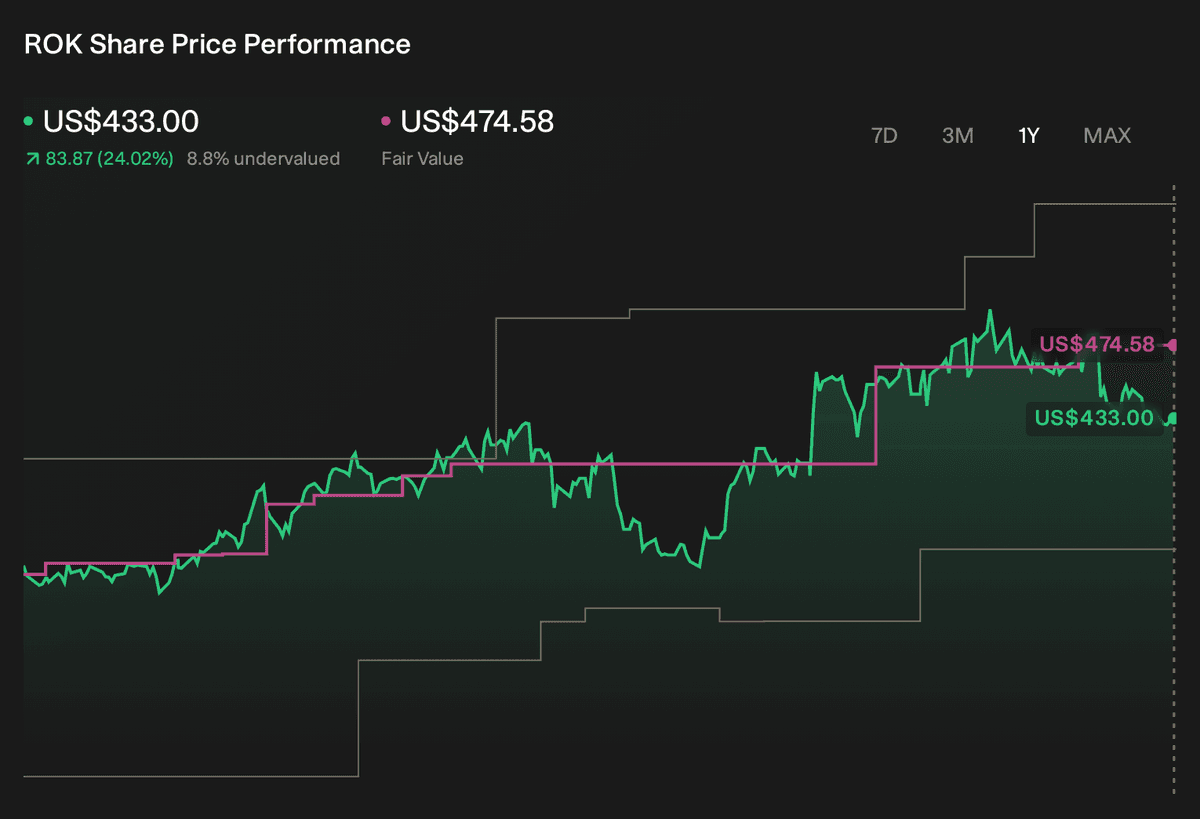
Rockwell expands digital service footprint
Rockwell Automation has introduced TechConnectIQ Support, a round-the-clock remote assistance platform for single-site contract customers in North America. The offering combines AI-enabled diagnostic tools with three-tier coverage levels and centralized visibility through the company's myRockwellAutomation TechConnect portal, according to Simply Wall St.
The launch represents Rockwell's continued push to transform automation expertise into recurring digital services rather than one-time hardware sales. By making technical support continuously available through remote channels, the company aims to strengthen platform dependence among industrial customers.
Why it matters
For industrial automation providers, the shift from equipment sales to service revenue offers higher margins and more predictable cash flow. Rockwell's TechConnectIQ launch signals confidence that customers will pay for always-on support, but the strategy's success hinges on whether manufacturers increase their automation spending or continue delaying capital projects. The service model only works if customers adopt and renew these digital offerings at scale.
Service strategy faces near-term uncertainty
The TechConnectIQ platform fits within Rockwell's broader effort to grow lifecycle and digital services revenue. The company recently announced an OT cybersecurity assessment project with Indinvest LT, demonstrating how specialized digital services can become part of ongoing customer modernization programs.
Yet the core challenge remains unchanged: industrial customers have been cautious about automation capital expenditures. Simply Wall St notes that Rockwell's investment case depends on reigniting organic growth and expanding higher-margin service revenue, with the biggest risk being delayed customer spending and slower adoption of recurring service contracts.
Analyst projections show modest growth path
Rockwell's financial narrative projects $10.3 billion in revenue and $1.8 billion in earnings by 2029, requiring 5.5% annual revenue growth and a roughly $700 million increase in earnings from the current $1.1 billion baseline. Consensus analyst views suggest modest expansion, though optimistic forecasts see earnings potentially reaching $2.1 billion by 2029 if AI-enabled services gain traction faster than expected.
The company faces competitive pressure from rivals offering lower-cost automation solutions with faster deployment cycles. Whether TechConnectIQ and similar digital services can command premium pricing while defending market share will determine if Rockwell achieves its service revenue targets.
Simply Wall St first reported these details in its analysis of Rockwell Automation's service expansion strategy.
This is an original analysis by the Omega editorial team. Source reporting: Automation Watch.
Want systems like this working for your business?
Book a Call