Rockwell Automation Joins Anthropic's Project Glasswing
The industrial automation giant gains access to Claude Mythos 5 for vulnerability management across manufacturing systems.
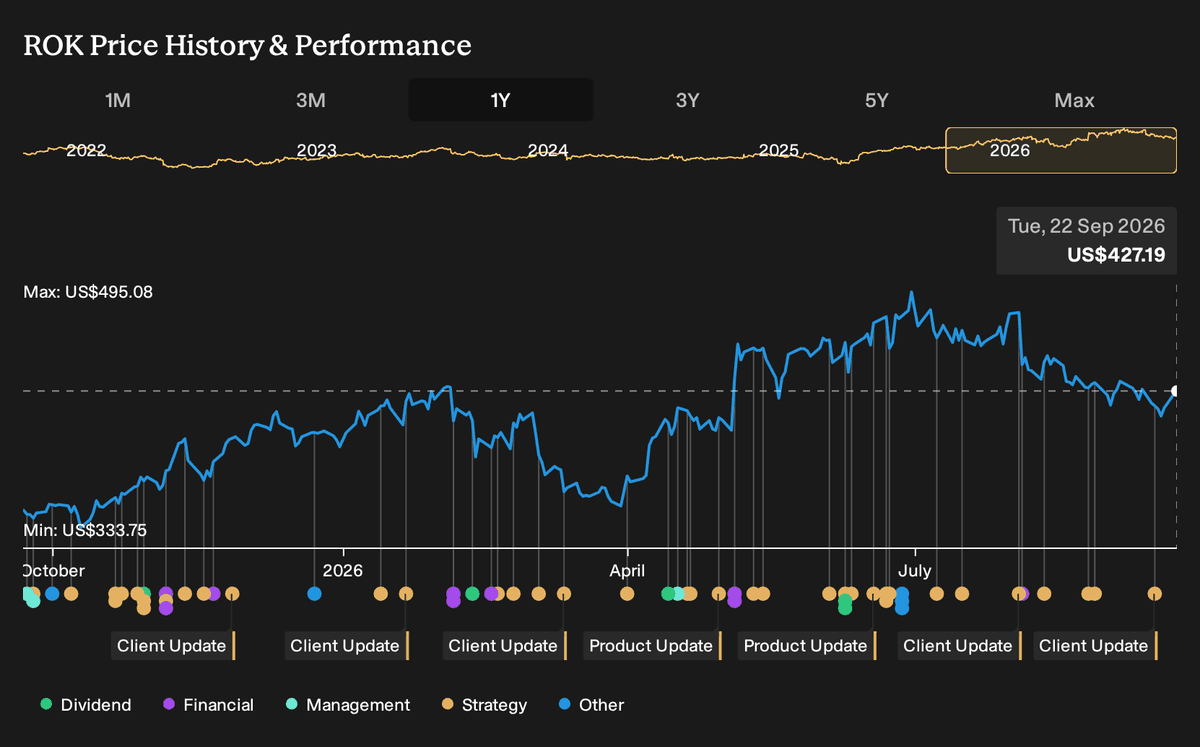
Rockwell Automation gains AI-powered cybersecurity tools
Rockwell Automation joined Anthropic's Project Glasswing on September 15, 2026, securing controlled access to Claude Mythos 5 for vulnerability discovery, validation, prioritization, and remediation across its industrial software and connected manufacturing systems.
The partnership places Rockwell alongside a global consortium of critical infrastructure providers working to strengthen cybersecurity capabilities. For Rockwell, the collaboration reinforces security as a core component of its connected industrial automation offerings rather than an afterthought.
Where Glasswing fits in Rockwell's portfolio
The Project Glasswing work primarily touches Rockwell's Software & Control segment and its broader cybersecurity layer. The company has been pushing deeper into AI-enabled automation through products like Plex QMS with FactoryTalk VisionAI and TechConnectIQ remote support. Glasswing extends that trajectory by tightening the connection between cyber resilience, remote monitoring, and software-centric automation.
This matters most for Rockwell's higher-margin Software & Control business mix. The strategic question is whether these AI and security capabilities can drive recurring services and software revenue attached to new hardware projects.
Why it matters
Industrial automation companies face mounting pressure to secure increasingly connected manufacturing environments. Rockwell's Glasswing participation signals that cybersecurity is becoming table stakes for selling connected systems to critical infrastructure customers. The real test will be whether these capabilities translate into steadier annual recurring revenue and pricing power, particularly as the company navigates weaker recurring Lifecycle Services growth and component inflation pressures.
Investment implications remain mixed
Rockwell's core investment thesis still hinges on demand for industrial automation converting into orders across its Intelligent Devices, Software & Control, and Lifecycle Services segments. Near-term catalysts remain execution on the North American project pipeline, software deployments like Plex, and disciplined pricing. The biggest risks are delayed customer capital expenditure and softer recurring Lifecycle Services revenue.
Glasswing should enhance product resilience over time, but it's unlikely to shift those fundamental demand and cost pressures quickly. Analysts project Rockwell will reach $10.5 billion in revenue and $1.9 billion in earnings by 2029, assuming 5.3% annual revenue growth and earnings climbing roughly $700 million from today's $1.2 billion.
The most optimistic analysts were already forecasting approximately $10.9 billion in revenue and $2.1 billion in earnings by 2029 before the Glasswing announcement. Whether this cybersecurity initiative pushes forecasts higher or simply reshapes the revenue mix remains an open question.
These details were first reported by Simply Wall St.
This is an original analysis by the Omega editorial team. Source reporting: Automation Watch.
Want systems like this working for your business?
Book a Call