Robotiq Launches AI Platform to Automate Workcell Design
IQ platform draws on thousands of past installations to generate validated robotic system configurations from customer requirements.
Robotiq Launches AI Platform to Automate Workcell Design
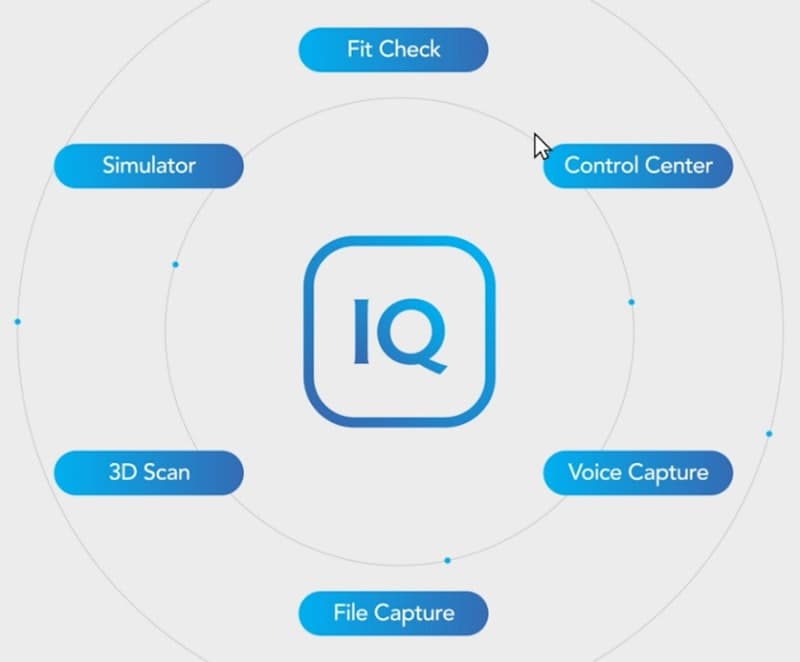
Robotiq has released IQ, an artificial intelligence platform that automates the engineering process for robotic workcell integration by converting unstructured project data into validated system designs.
The platform addresses a persistent bottleneck in factory automation: the manual, time-intensive process of designing robotic systems that must account for countless variables including floor layouts, throughput requirements, product variations, and site-specific constraints. When project information remains fragmented across teams and systems, engineering cycles stretch and deployment timelines slip.
How the platform works
IQ captures project requirements from customer inputs and coordinates them with Robotiq's component library and deployment data accumulated from thousands of previous factory installations. The system then generates workcell designs that have been validated against real-world performance patterns.
System integrators and manufacturing partners can use the platform to automate data collection, coordinate project workflows digitally, and validate designs through simulation before physical deployment. The initial release focuses on robotic palletizing applications.
Why it matters
Manufacturers evaluating automation investments face significant uncertainty about project timelines, performance outcomes, and return on investment. By systematizing the design process and grounding configurations in historical data, platforms like IQ can reduce the discovery and revision phases that typically extend integration projects. This approach may make automation economically viable for operations that previously couldn't justify the engineering overhead—including facilities running single-shift production where ROI calculations are tighter.
The shift from custom engineering each project to generating designs from proven patterns represents a fundamental change in how robotic systems reach the factory floor.
"Automation does not scale when integration remains manual," said Samuel Bouchard, CEO of Robotiq. "With IQ, we are moving from manually engineering robotic systems one project at a time to automatically generating Workcells from real customer inputs, Robotiq components, AI, and proven know-how from thousands of past projects."
For manufacturers, Bouchard noted, the platform creates "a clearer path to automation: fewer surprises, faster decisions, more predictable performance, and better financial justification, including in many 1-shift operations."
The details were first reported by Supply & Demand Chain Executive.
This is an original analysis by the Omega editorial team. Source reporting: Automation Watch.
Want systems like this working for your business?
Book a Call