Raymond Integrates Third Wave AI for Autonomous Forklift Fleets
Toyota-backed collaboration brings shared autonomy platform to warehouse lift trucks, enabling one operator to manage up to 10 vehicles remotely.
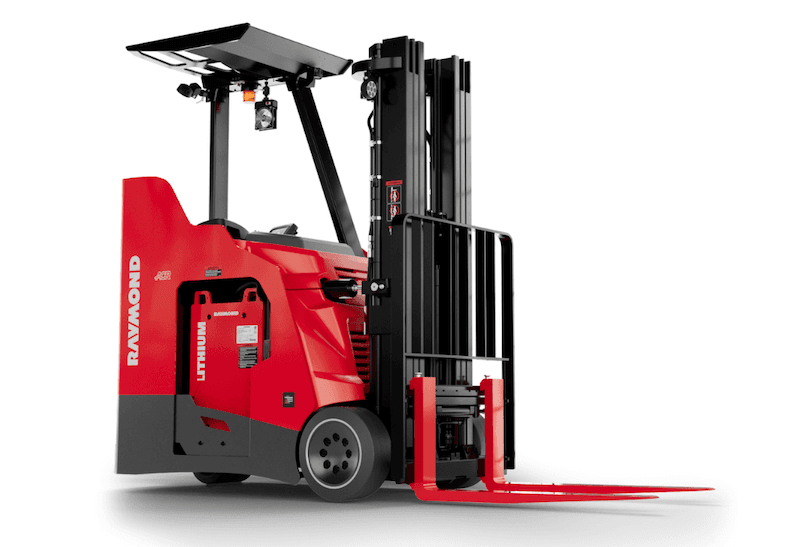
Raymond and Third Wave formalize automation partnership
The Raymond Corporation has formalized a technology collaboration with Third Wave Automation to integrate AI-enabled autonomous capabilities across select Raymond lift truck models, the companies announced. The partnership, part of Toyota Material Handling North America, builds on collaborative development work that began in 2021 and was supported by investments from Toyota Ventures and Woven Capital.
Raymond will incorporate Third Wave's automation platform into its product ecosystem, offering customers a pathway to deploy physical AI technology in warehouse operations. The initial product lineup includes an automated Raymond Swing-Reach truck, with additional models planned for commercial release through Raymond's Solutions and Support Centers.
Shared autonomy model enables remote fleet management
Third Wave's platform centers on what the company calls "shared autonomy"—a system that pairs autonomous lift trucks with fleet management software and remote assistance capabilities. When an automated vehicle encounters an obstacle or uncertainty, a remote operator can intervene within seconds without disrupting other vehicles in the fleet.
According to the companies, typical deployments allow one operator to supervise up to 10 forklifts from an off-floor location. The technology targets dock-to-dock operations and trailer loading and unloading workflows, applications where automation can deliver measurable throughput gains.
"The combination of Third Wave software and Raymond's best-in-class material handling equipment creates an unmatched automated solution, with substantial gains in throughput, flexibility, and safety," said Arshan Poursohi, CEO of Third Wave Automation.
Why it matters
Warehouse automation has historically required significant capital investment and lengthy implementation timelines. This partnership signals a shift toward modular, AI-first approaches that can scale across existing equipment fleets. For logistics operators facing persistent labor shortages and pressure to increase throughput, the ability to redeploy human operators from repetitive forklift tasks to supervisory roles represents a practical path to operational efficiency without wholesale facility redesigns.
Michael Field, chief operations officer at Toyota Material Handling North America, framed the collaboration as an extension of Raymond's broader technology integration strategy. "We have been purposefully and thoughtfully integrating advanced technology and AI-driven capabilities across Raymond's integrated ecosystem of solutions to help customers optimize workflows, improve visibility, and better connect their operations," Field said.
Prashant Bothra, principal at Woven Capital, noted that the partnership demonstrates how Toyota Group's coordinated investment and technology resources can accelerate market deployment. "We're bringing differentiated capabilities to market faster and at greater scale," Bothra said.
The integration will include fleet visibility and operational analytics tools designed to help customers measure automation performance and identify continuous improvement opportunities. Details on pricing, deployment timelines, and the full product lineup were not disclosed.
These details were first reported by Robotics and Automation News.
This is an original analysis by the Omega editorial team. Source reporting: Automation Watch.
Want systems like this working for your business?
Book a Call