Pro-AI Super PAC Prepares Campaign Against Data Center Opposition
Leading the Future strategists say political fights over AI infrastructure are just beginning as local resistance grows nationwide.
A major pro-AI super PAC is gearing up to counter mounting local opposition to data center construction as the issue threatens to become a flashpoint in the 2026 midterm elections.
Josh Vlasto and Zac Moffatt, the bipartisan strategist duo leading Leading the Future, told NBC News they view the current political and policy battles around artificial intelligence infrastructure as still being "in the early innings." The group is positioning itself to shape upcoming fights over data center development as community resistance intensifies across the country.
Growing local resistance
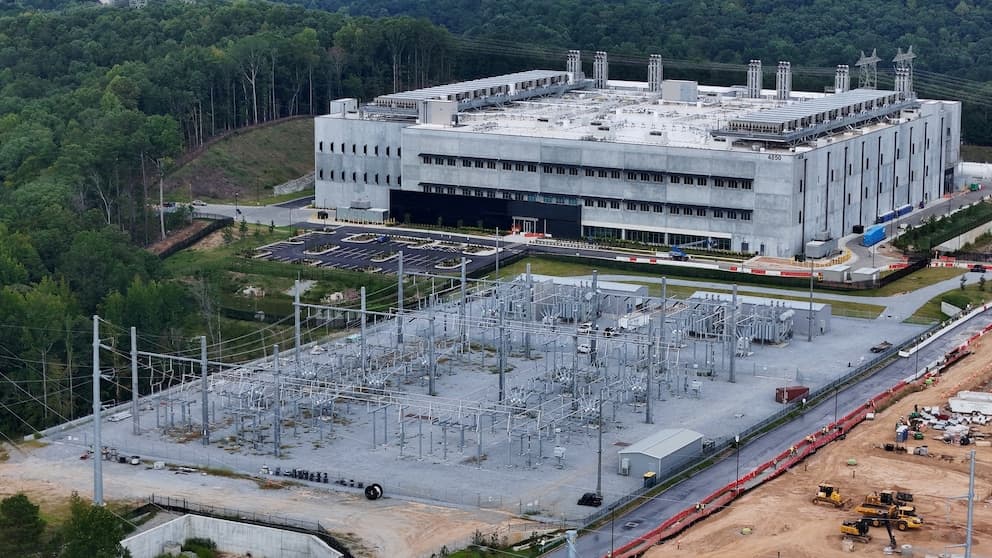
Data centers—the massive facilities that power AI systems and cloud computing—have sparked opposition in communities nationwide. Residents and local officials have raised concerns about power consumption, water usage, environmental impact, and strain on local infrastructure.
The backlash has manifested in protests and legislative action. In Texas, demonstrators rallied at the state Capitol in Austin before a Senate Finance Committee hearing in July, reflecting broader unease about the pace and scale of data center expansion.
Why it matters
The emerging political battle over data centers represents a critical test for the AI industry's growth trajectory. If local opposition successfully blocks or delays construction, it could constrain the infrastructure needed to support AI development at a time when companies are racing to expand capacity. The involvement of a well-funded super PAC signals that AI proponents view these local fights as existential threats requiring coordinated political response.
Strategic positioning
Leading the Future's preparation to engage more aggressively on data center issues suggests the group anticipates these disputes will intensify rather than fade. By framing the conflict as still in its early stages, the strategists are signaling a long-term commitment to advocacy work that extends well beyond the 2026 election cycle.
The bipartisan nature of the group's leadership—with Vlasto and Moffatt representing both major parties—indicates an attempt to position AI infrastructure as a nonpartisan economic issue rather than a politically divisive one.
Election implications
The potential for data center disputes to influence midterm races marks a new dimension in AI politics. While national AI policy debates have focused on safety, regulation, and competition with China, local infrastructure battles bring the technology's impacts directly into communities and voting districts.
How candidates navigate constituent concerns about data centers while balancing economic development arguments could become a defining issue in contested races, particularly in areas where multiple facilities are planned or under construction.
These details were first reported by NBC News in an exclusive interview with the Leading the Future strategists.
This is an original analysis by the Omega editorial team. Source reporting: AI Watch.
Want systems like this working for your business?
Book a Call