Pope's AI Warning Opens Door to Religious Exemptions at Work
A software engineer already secured an accommodation to avoid AI tools, and employment lawyers say more requests are likely.
A North Carolina software engineer has become what may be the first worker to secure a religious exemption from using artificial intelligence tools on the job, potentially setting a precedent as companies accelerate AI adoption across their workforces.
Erin Maus, who identifies as a Unitarian Universalist, obtained the accommodation in May from her employer, a large tech-entertainment company she described as progressive. Maus argued that AI conflicted with her religious beliefs due to environmental and ethical concerns, according to details first reported by Business Insider.
"I'm writing my code and reviewing my code by hand, which seems crazy to say," Maus told the publication. "Just two years ago, how else would you do it?"
The papal precedent
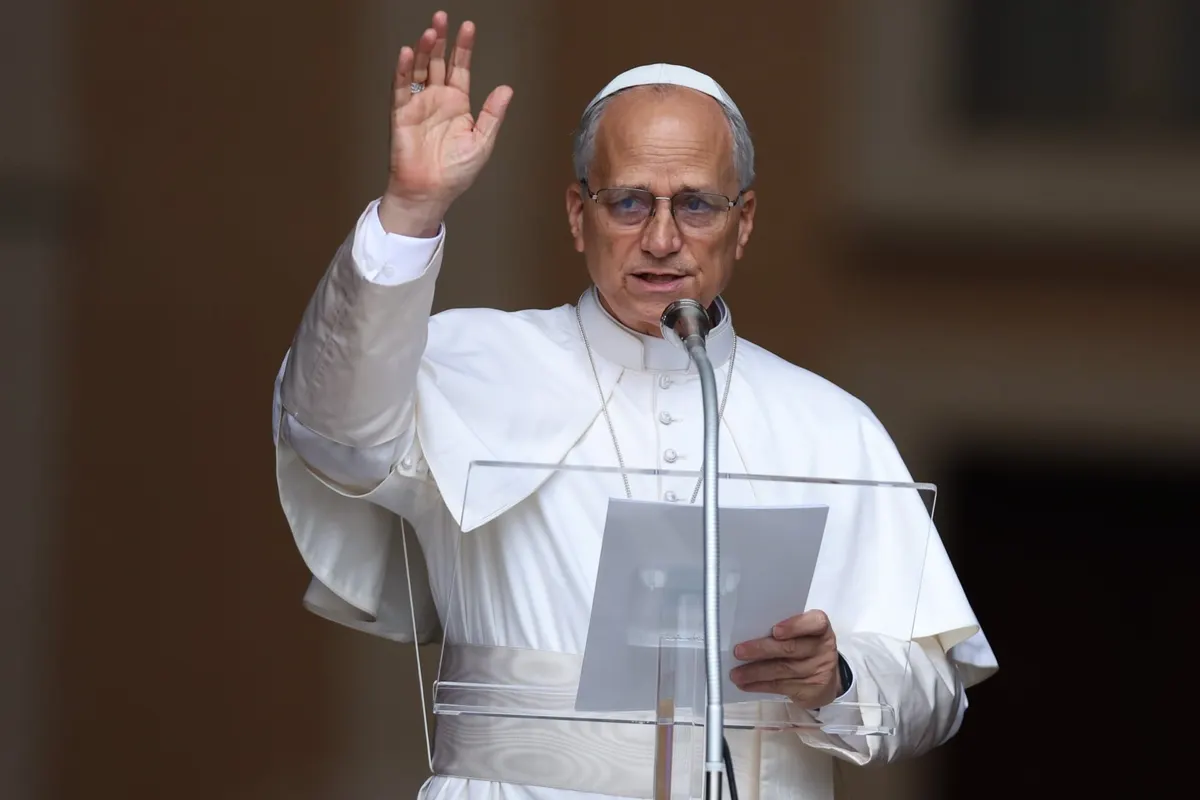
Maus secured her exemption before Pope Leo XIV issued a sweeping 43,000-word encyclical last month that sharply criticized artificial intelligence. The document, titled Magnifica Humanitas, could now provide theological backing for similar accommodation requests.
The pope wrote that AI threatens human dignity through "new forms of dehumanization" by reducing "the mystery of the person into data and performance." He called on the technology industry to reject "the idolatry of profit that sacrifices the weak" and argued that "a slower pace in adopting AI does not mean opposing progress; instead, it is an exercise of responsible care for the human family."
Legal framework for exemptions
Employment attorneys say the papal statement frames AI concerns as explicitly religious issues, potentially strengthening workers' legal standing. Under Title VII of the Civil Rights Act of 1964, employers must provide reasonable accommodations for sincerely held religious beliefs that conflict with work requirements, unless doing so creates undue hardship.
"When he's speaking, he's speaking as the pontiff—as a religious figure—so he's raising these human dignity issues as religious issues, theological issues," Jonathan Segal, an employment attorney and partner at Duane Morris, told HR Brew. "I think it is inevitable that some employees will rely on this to say…I can't use AI because it conflicts with a religious belief that I have."
The legal precedent exists. Earlier this year, Rex Healthcare agreed to pay $150,000 to settle a lawsuit from the U.S. Equal Employment Opportunity Commission over denying a remote employee's religious exemption from a mandatory COVID-19 vaccine policy.
Why it matters
As AI adoption accelerates in the workplace—Gallup reports the share of U.S. employees using AI at least a few times yearly nearly doubled from 21% to 40% in 2025—companies face a new compliance challenge. Employers mandating AI use may need to develop accommodation processes for religious objections, adding complexity to AI implementation strategies. The intersection of theological doctrine and workplace technology policy represents uncharted territory for HR departments and legal teams alike.
Segal noted that courts and the EEOC have consistently held that employers should not question the legitimacy of sincerely held religious beliefs, suggesting accommodation requests tied to the pope's statement could receive serious consideration.
These details were first reported by Business Insider and HR Brew.
This is an original analysis by the Omega editorial team. Source reporting: AI Watch.
Want systems like this working for your business?
Book a Call
