Pokémon Go Location Data Now Powers Military Drone Navigation
Niantic's partnership with defense contractor Vantor repurposes crowd-sourced spatial scans to help autonomous systems operate without GPS.
Pokémon Go Location Data Now Powers Military Drone Navigation
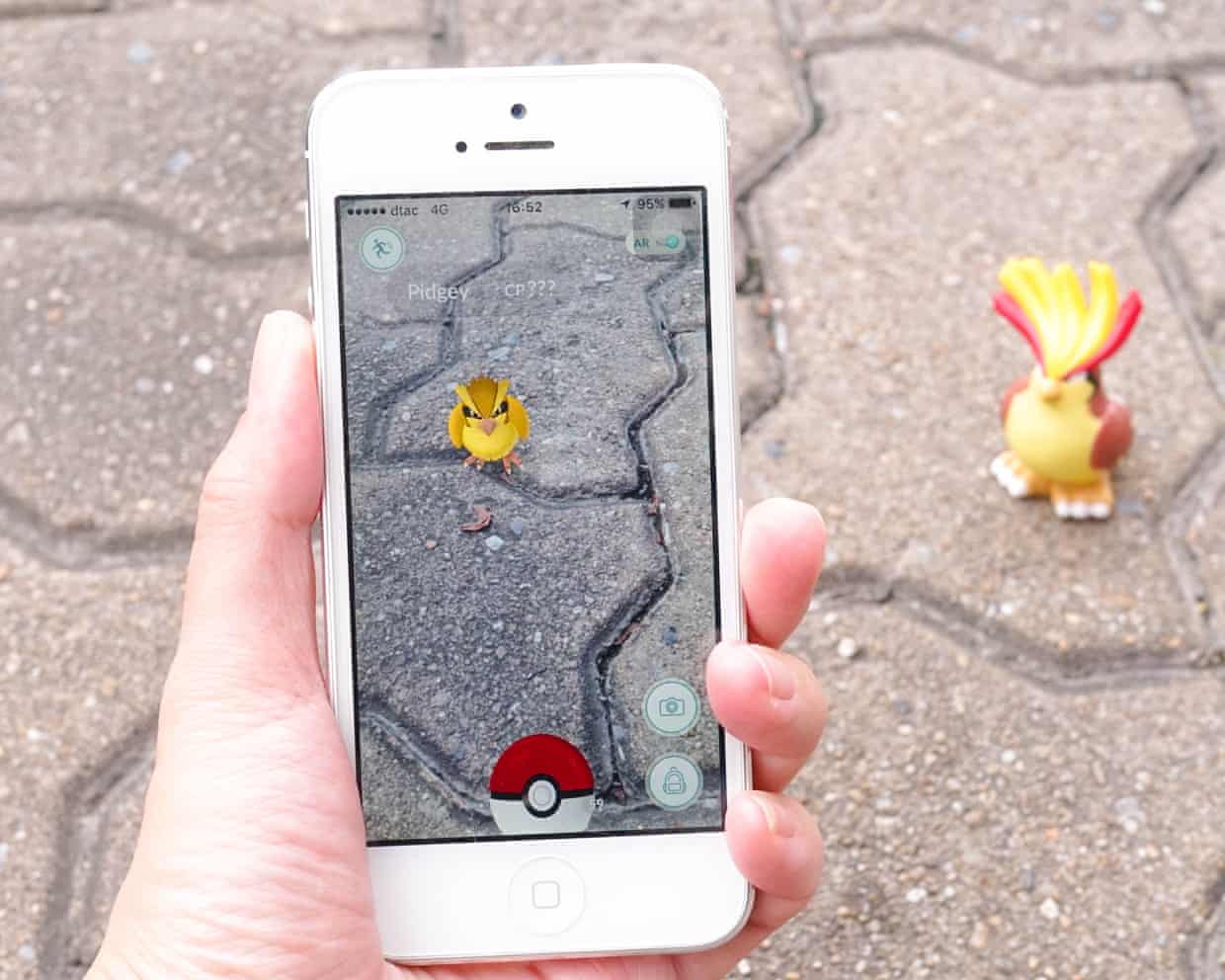
Spatial data collected from millions of Pokémon Go players is now being used to help military drones navigate in environments where GPS signals are unavailable or compromised, according to reporting first published by The Guardian.
Niantic, the company behind the massively popular 2016 augmented reality game, has partnered with Vantor, a defense contractor specializing in spatial detection software for military drones. The collaboration aims to enable autonomous systems to orient themselves and coordinate operations in GPS-denied areas—a critical capability in modern warfare where satellite signals face jamming, spoofing, and interference.
The foundation for this military application was built through a feature introduced in Pokémon Go's 2021 update. Players who opted in could scan real-world locations using their phone cameras in exchange for in-game rewards at designated Pokéstops. These voluntary uploads created a vast dataset of spatial information that Niantic used to train AI models capable of recognizing and interpreting physical environments.
By the time Niantic sold its gaming division to Saudi Arabia-owned Scopely for $3.5 billion in 2025, the company had already collected location scan data from a game that reported more than 800 million downloads worldwide by 2018.
Why it matters
This case illustrates how consumer data collected for entertainment purposes can be repurposed for military applications—often without users fully understanding the potential downstream uses when they click "agree" on terms of service. For business leaders, it underscores the strategic value of spatial AI training data and the regulatory gaps around dual-use technologies. For technology executives, it raises questions about data governance, user consent, and the ethical boundaries of commercial partnerships.
From gaming rewards to battlefield coordination
Vantor's chief product officer Peter Wilczynski described the partnership's value in a December interview with Tectonic Defence, emphasizing the need to rapidly deploy new hardware in "the modern battle space" with systems that can operate independently of satellite positioning.
The December partnership announcement highlighted GPS vulnerability as a "critical" operational challenge. When satellite signals fail or are deliberately disrupted, autonomous systems lose their ability to maintain situational awareness and coordinate movements.
Both Niantic and Vantor told The Guardian that actual ground scans from Pokémon Go were not directly provided to Vantor. Instead, those scans were used to train Niantic's foundational AI models, which now inform the partnership's capabilities. Both companies emphasized that the collaboration remains in early stages.
Vantor has already secured significant defense contracts, including a deal with the U.S. Army announced in February worth up to $217 million for training software.
Privacy concerns and regulatory gaps
Tom Sulston, head of policy at Digital Rights Watch, called the civilian-to-military data pipeline troubling. He noted that while terms of service may contain relevant disclaimers, most users don't read lengthy legal documents before playing a video game.
"We need regulators to focus on 'best interests of the user' or 'fair and reasonable' tests to keep users safe from exploitation like this," Sulston said, adding that free software services often treat users "not as a customer but as the product to be sold."
Dr. Rob Nicholls, a senior researcher at the University of Sydney's centre for AI, trust and governance, suggested this case represents just one example of a broader pattern. He pointed to previous incidents where fitness app Strava inadvertently revealed military facility locations through user data, prompting multiple armed forces to issue directives against GPS-enabled device sharing.
Niantic stated that all AR scans were submitted voluntarily by players who opted into the feature and were subject to applicable terms of service and privacy policies at the time of collection.
These details were first reported by DroneXL and The Guardian.
This is an original analysis by the Omega editorial team. Source reporting: AI Watch.
Want systems like this working for your business?
Book a Call