Pittsburgh Leaders Reject AI Data Centers Over Grid Concerns
Mayor and neighboring communities cite electricity demand, water use, and ratepayer costs as reasons to halt facility expansion.
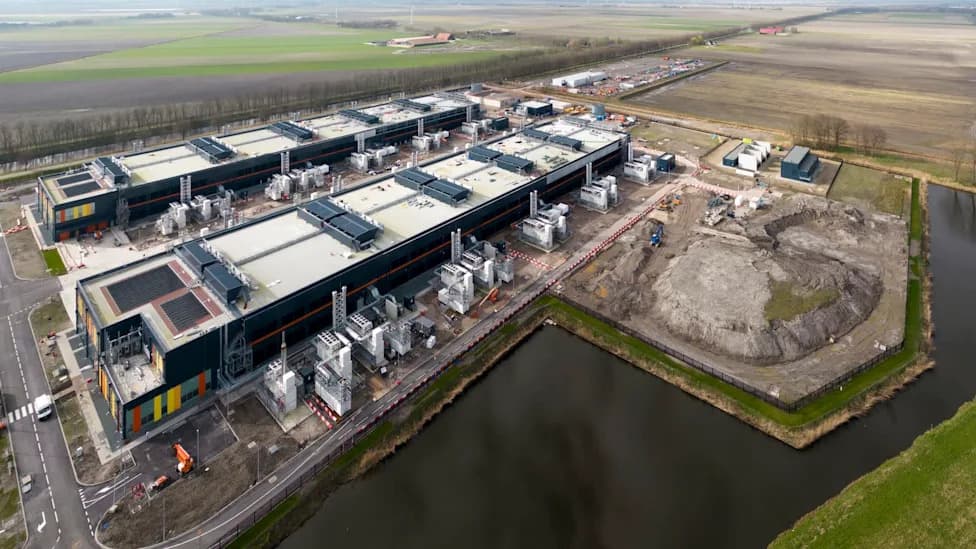
Pittsburgh takes defensive stance on data center expansion
Pittsburgh Mayor Corey O'Connor has publicly stated he would not support an AI data center locating within city limits, marking a sharp departure from the economic development enthusiasm these facilities typically generate. His position reflects growing caution among southwestern Pennsylvania leaders about the infrastructure costs of the AI boom, according to TribLIVE.
At least six communities surrounding Pittsburgh — Murrysville, Gilpin, Oakmont, East Deer, Tarentum, and Upper Burrell — have enacted regulations or moratoriums specifically designed to block data center development. The coordinated resistance signals that local governments are prioritizing grid stability and ratepayer protection over the tax revenue and job promises that typically accompany large-scale industrial projects.
The infrastructure math doesn't add up
Data center developers face a practical obstacle in the Pittsburgh region: suitable sites are increasingly scarce. Brian Kennedy, senior vice president with the Pittsburgh Technology Council, told TribLIVE that brownfield sites within the city — the typical locations for such facilities across Pennsylvania — have largely been redeveloped already.
But the more fundamental concern centers on operational demands. AI training and inference workloads require server farms that run continuously, consuming substantial electricity around the clock. These facilities also depend on significant water volumes for cooling systems, creating dual pressure on municipal utilities.
Local officials are calculating whether their power grids can absorb the load without requiring expensive upgrades that would be passed through to residential and small business customers. The risk extends beyond immediate rate increases: if utilities meet surging demand by extending the life of fossil fuel plants or building new gas generation, it could undermine regional emissions reduction goals.
Why it matters
Pittsburgh's resistance represents a test case for how communities nationwide will navigate AI infrastructure buildout. Unlike previous waves of data center construction that supported cloud storage and streaming services, AI facilities require dramatically higher power density. When elected officials explicitly reject economic development opportunities on infrastructure grounds, it signals that the industry's expansion timeline may face political constraints that pure market forces don't capture. The outcome in southwestern Pennsylvania could influence how other regions with aging grids approach similar proposals.
Communities demand transparency on tradeoffs
The Pittsburgh area's coordinated pushback reflects a broader pattern emerging across the United States. Local governments are being asked to accommodate industrial-scale energy consumers without complete information about long-term costs to existing ratepayers or environmental commitments.
While data center operators emphasize investment dollars and construction jobs, municipal leaders are increasingly focused on operational realities: who pays for grid reinforcement, where additional power generation comes from, and whether water systems can sustain new industrial users alongside residential needs.
The details of Pittsburgh's cautious approach were first reported by TribLIVE.
This is an original analysis by the Omega editorial team. Source reporting: AI Watch.
Want systems like this working for your business?
Book a Call