Pentagon AI Chief Sold Perplexity Stake for Up to $25M
Emil Michael's June stock sale follows earlier xAI profits, raising fresh questions about conflicts in defense tech oversight.
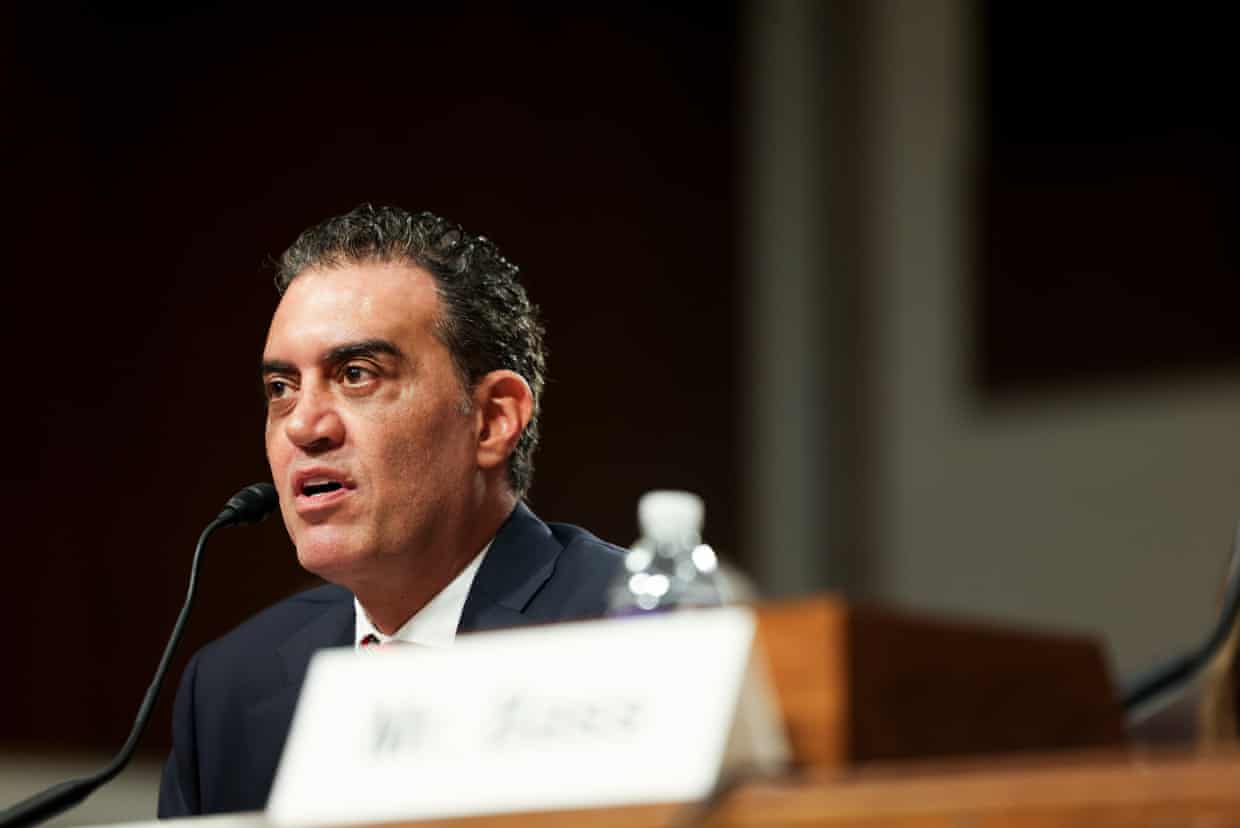
The Pentagon's top official for military artificial intelligence policy sold his stake in AI search company Perplexity for between $5 million and $25 million in June, according to financial disclosure records reviewed by the Guardian.
Emil Michael's sale of Perplexity shares represents the latest in a series of lucrative private AI investments liquidated during his tenure overseeing defense AI policy. Earlier this year, Michael realized gains of up to $24 million from selling his holdings in Elon Musk's xAI, with returns ranging from 400% to 4,800% on his initial investment, the Guardian previously reported.
Multiple AI holdings during government service
Michael's financial disclosures reveal he had received a personal loan from Perplexity valued between $250,000 and $500,000 at a 4.57% interest rate a year before the stock sale. He also served on a Perplexity advisory board before joining federal service, according to the filings.
The records show Michael held both vested and unvested Perplexity stock. In his ethics agreement, he pledged not to profit from unvested shares, though the disclosures do not clarify which type of stock he sold. Federal financial disclosure rules report values in ranges rather than specific figures, making it impossible to determine whether Michael profited from the transaction.
Perplexity, which is reportedly seeking a $30 billion valuation, announced a contract with the U.S. General Services Administration in November 2024. Records do not show direct ties between Perplexity and the Pentagon.
Beyond AI: Financial software gains
Michael's trading activity extended beyond AI companies. His April sale of holdings in Brex LLC, a financial software company, generated gains of at least 473%. He sold those shares for at least $5 million after Brex was acquired by Capitol One. Michael had reported his Brex holdings were worth a maximum of $750,000 in March 2025, suggesting his profit could have reached as high as $24 million.
Michael appeared on a tech podcast in December that was sponsored by Brex while he remained an investor in the company.
Ethics questions
"He should have sold all interest in the company before he started working," said Richard Painter, former White House ethics lawyer under President George W. Bush. "That's the way we would have done it back when I was working for president."
Painter noted that while Michael's ownership may not violate law, it raises appearance concerns that previous administrations would have addressed by requiring divestment before assuming the role.
A Pentagon spokesperson stated that Michael and other defense officials "are in full compliance with ethics laws and regulations," calling any contrary claims false. The department maintains "a rigorous, multi-layered ethics framework," according to the spokesperson.
Michael previously served as chief business officer at Uber from 2014 to 2017. He has been the public face of the Pentagon's disputes with AI company Anthropic.
Why it matters
The financial disclosures highlight potential conflicts of interest at the intersection of defense policy and private AI investment. As the Pentagon shapes regulations and contracts that will define military AI development, officials with substantial personal stakes in AI companies face scrutiny over whether private interests could influence policy decisions. The issue takes on added significance as the defense establishment accelerates AI adoption across weapons systems, intelligence operations, and strategic planning.
These details were first reported by the Guardian.
This is an original analysis by the Omega editorial team. Source reporting: AI Watch.
Want systems like this working for your business?
Book a Call
