Pentagon Accelerates AI Deployment Despite Congressional Concerns
Military leaders argue that slowing artificial intelligence adoption poses greater risks than rushing implementation, even as lawmakers seek new safeguards.
Pentagon prioritizes speed over caution in AI race
The U.S. Department of Defense is moving rapidly to integrate artificial intelligence across military operations, creating friction with lawmakers who want stronger oversight before the technology becomes deeply embedded in national security systems.
Defense officials have made their position clear: any pause in AI development hands an advantage to adversaries. Air Force Secretary Troy Meink framed the issue starkly, calling winning the AI race "one of the most important things for the United States to do, both from a military and economic security perspective."
Cameron Stanley, the Pentagon's chief digital and AI officer, reinforced that stance at a recent Washington conference, stating the military will become "an AI-first force" and that avoiding AI represents "the most dangerous course of action we can take because our adversaries are moving in this direction."
Why it matters
This debate shapes whether the U.S. military will adopt transformative but potentially vulnerable technology before establishing adequate security protocols. The outcome affects not just American defense capabilities but also sets precedent for how democracies balance innovation speed against systemic risk in dual-use technologies.
Congress moves toward oversight requirements
Lawmakers are developing guardrails as part of this year's annual defense policy legislation. The proposed measures would establish a review process ensuring "human judgment" remains central to all decisions involving autonomous systems and AI capabilities. The legislation would also create new security standards for AI agents embedded in military infrastructure.
Sen. Mike Rounds (R-S.D.), who chairs the Senate Armed Services Committee's cybersecurity panel, called the provisions "a positive first step for regulating military AI." However, the authorization bill likely won't become law until December.
That timeline concerns some legislators. House Minority Leader Hakeem Jeffries called this week for Congress to "immediately" pass new AI regulations, citing fears about unchecked technological advancement.
Sen. Richard Blumenthal (D-Conn.), a member of the Senate Armed Services Committee, warned that rapid implementation could expose military systems to new vulnerabilities. "The potential for out-of-control rogue agents invading websites or degrading systems applies to the Pentagon as much as any other organization," he said.
International pressure reinforces urgency
European allies, whose security planning depends on American technological capabilities, have expressed support for aggressive AI development. Giedrimas Jeglinskas, a former Lithuanian lawmaker and NATO official, said he sees no possibility of slowing down because "the technology is too important for economic growth, competitiveness and national security."
Strain on traditional munitions stockpiles across Europe and America, resulting from the Iran war, has intensified interest in high-tech military alternatives.
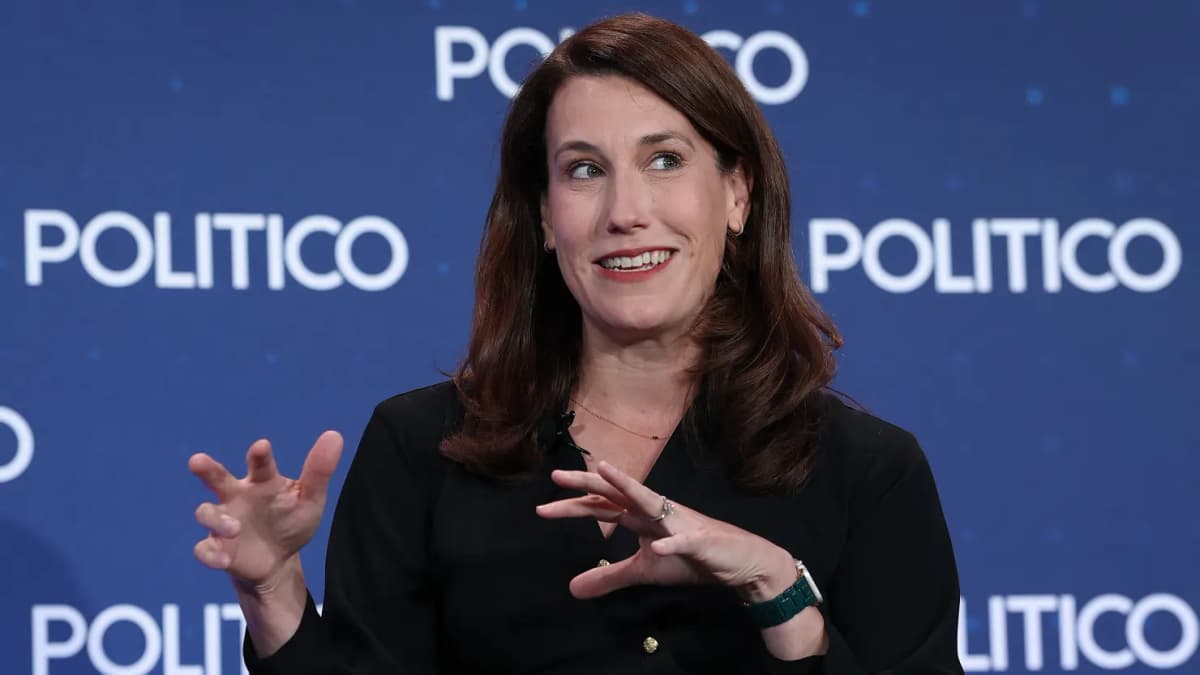
Industry representatives have echoed the urgency while acknowledging risks. Sarah Heck, Anthropic's policy chief, said at POLITICO's Decoded Summit that the U.S. "can't do safety from second place" and must continue developing new models.
Yet some lawmakers question the underlying premise. Rep. Greg Casar (D-Texas), House sponsor of the Ban Artificial Superintelligence Act, argued the goal should be "a world where there are not autonomous killer robots anywhere" rather than ensuring American military superiority in such technology.
President Donald Trump has joined Pentagon officials in pushing back against warnings that AI could pose existential risks, maintaining that humans remain in control of advanced systems.
These details were first reported by POLITICO.
This is an original analysis by the Omega editorial team. Source reporting: AI Watch.
Want systems like this working for your business?
Book a Call